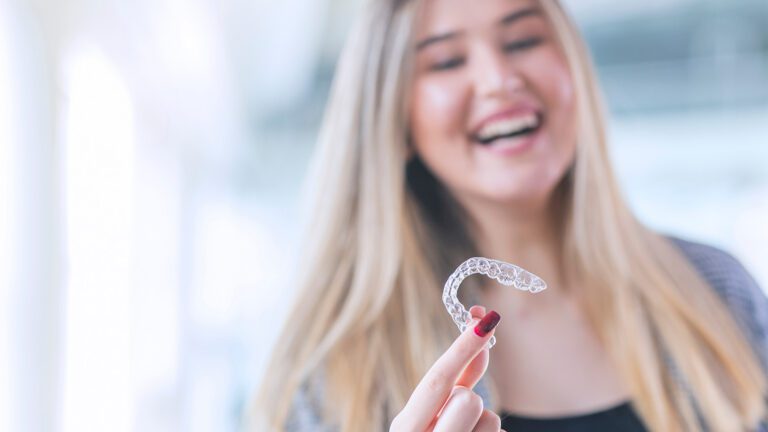
Achieving a straight, healthy smile feels like a major milestone. Whether treatment involves Invisalign® or traditional braces, patients often feel a sense of relief and confidence when it comes to an end. However, orthodontic care does not stop when the aligners or brackets come off. Retainers play a critical role in protecting that investment and keeping teeth in their new positions.
After orthodontic treatment, teeth remain prone to shifting. This natural movement, known as relapse, can gradually undo months or even years of progress. Retainers prevent that from happening by holding teeth in place while the surrounding bone and tissues stabilize. Without consistent retainer use, teeth can shift quickly, especially in the first few months after treatment.
Protecting More Than Appearance
Orthodontic treatment improves more than appearance. It corrects issues such as crowding, spacing, and bite alignment, which can affect oral hygiene, speech, and overall comfort. Straight teeth are easier to clean and maintain, while a properly aligned bite reduces strain on the jaw and minimizes uneven wear. Retainers help maintain these functional improvements long after treatment is complete.
Patients typically choose between Invisalign clear aligners and traditional braces based on their needs and lifestyle. Invisalign offers a discreet, removable option that fits into busy schedules, while braces provide precise control for more complex cases. Both methods deliver strong results, but long-term success depends on what happens after treatment. Retainers ensure those results last.
Types of Retainers and Daily Use
There are two primary types of retainers. Removable retainers, often made of clear plastic or acrylic with a wire, enable patients to remove them for eating and cleaning. Fixed retainers use a thin wire bonded behind the teeth to provide continuous support. Many patients benefit from using both, depending on their treatment plan and risk of relapse.
Wearing a retainer requires consistency. Most patients start with full-time wear, then transition to nighttime use after a few months. Many orthodontists recommend wearing a retainer at night indefinitely, as teeth can shift over time due to aging, grinding, and daily habits. Even small movements can affect alignment and bite.
Simple Habits That Protect Your Smile
Proper care also plays an important role. Patients should clean removable retainers daily, store them in a protective case, and avoid exposing them to heat. Fixed retainers require careful flossing and routine dental checkups to ensure they remain intact and effective. Simple habits help extend the life of the retainer and protect overall oral health.
Orthodontic care benefits patients of all ages. Early treatment can guide growth and prevent more complex issues, while adults increasingly seek discreet options to improve their smiles. Regardless of the age or type of treatment, retention remains essential.
A straight smile reflects time, effort, and commitment. Retainers protect that progress and help ensure results last for years to come.
Any content, resident submissions, guest columns, advertisements, and advertorials are not necessarily endorsed by or represent the views of Best Version Media LLC (BVM) or any municipality, homeowners associations, businesses, or organizations that this publication serves. BVM is not responsible for the reliability, suitability, or timeliness of any content submitted, inclusive of materials generated or composed through artificial intelligence (AI). All content submitted is done so at the sole discretion of the submitting party.