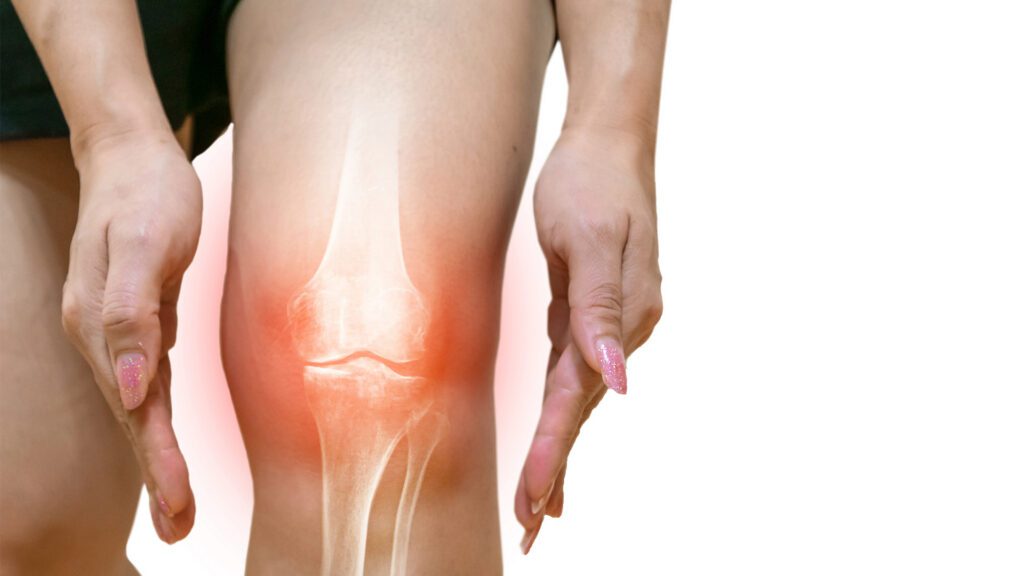
When someone says pain, we can all know what they are talking about. But what is pain really? Pain is an experience that is created entirely by your brain. Does that mean that it’s all in your head? Yes, it does mean that. Does this mean that you are crazy? No. We all create pain this way and all pain is real.
We should pay attention to pain because it is there to tell us that our body could be threatened. But notice that I say could be threatened, not is threatened. This is an important difference. The brain receives sensory input from the body and then makes a best guess about what is happening. Sometimes this is swift and accurate such as when you put your hand on a hot stove and know to remove it immediately. Other times, the brain is not so precise. In still other cases, the brain’s prediction can be flat out wrong.
Consider a time when you had little or no pain despite suffering a significant injury. Think of the soldier that had a serious wound but didn’t feel any pain until they were out of danger. Or the athlete that didn’t feel pain until the competition was over. Why would this happen? Your brain has to consider all kinds of sensory information from both the internal and external environment. In these cases, loud sounds, quickly changing visual information, and stress hormones all influence the brain’s overall interpretation of what is happening.
Now think of another time when you had significant pain, but no injury. Maybe you stubbed your toe and it hurt like crazy, but was fine in a few moments. Consider the amazing story of a construction worker who got a giant nail lodged in his boot. He had terrible pain until the emergency workers cut off the boot and they could see that the nail went in between his toes, missing his flesh and causing no harm. In these scenarios the element of surprise and visual information influenced the brain’s predictions. Pain was abolished when the brain received more information and could update its interpretation.
Think of pain as an experience that is created after your brain considers many sensory inputs. Knowing that pain is a prediction doesn’t make it possible for us to forget about it. My hope is that this knowledge allows you to be more curious about pain and to consider how context influences it. This understanding could help you have more control over your pain and, ultimately, less of it.
Has this article piqued your interest about pain? Can you see now that there is so much more to it than a direct cause and effect relationship with injury? I hope that you follow along because I plan to write an article about pain every month for the next year.
Lindsy B. Campbell, PT, DPT, Cert. MDT
Owner at Mission Valley Physical Therapy
(406) 883-6863
Any content, resident submissions, guest columns, advertisements, and advertorials are not necessarily endorsed by or represent the views of Best Version Media LLC (BVM) or any municipality, homeowners associations, businesses, or organizations that this publication serves. BVM is not responsible for the reliability, suitability, or timeliness of any content submitted, inclusive of materials generated or composed through artificial intelligence (AI). All content submitted is done so at the sole discretion of the submitting party.