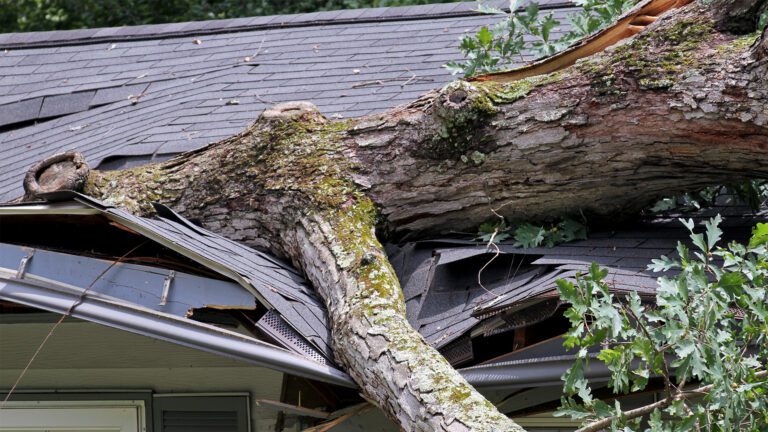
As we have just seen this summer again, storms can move through here quickly and leave behind damage that feels stressful and confusing for families. High winds, hail, heavy rain, and falling tree limbs can affect both homes and vehicles in a matter of minutes. While every loss is different, there are a few simple best practices that can help insureds stay safe, document damage clearly, and begin the claims process with confidence.
The first priority after any storm is safety. You should avoid downed power lines, broken glass, damaged roofs, flooded areas, and fallen branches that may still be unstable. If a home or vehicle is unsafe, the insured should move to a secure location and contact emergency services when needed. It is important to remember that no photo or personal item is worth risking injury.
Once conditions are safe, the next step is documenting the damage. Insureds should take clear photos and videos of all affected areas as soon as possible. For a home loss, that may include the roof, siding, gutters, windows, fences, outdoor structures, and damaged personal belongings. For auto losses, it helps to capture multiple angles of the vehicle, including dents, broken glass, flooding, hail marks, or debris impact. A written list of damaged items, along with the date of the storm, can also help support the claim.
Policyholders should take reasonable steps to prevent further damage if it is safe to do so. Temporary actions such as placing a tarp over an opening, moving undamaged belongings away from water, or covering a broken car window may help reduce additional loss. Receipts for temporary materials, emergency purchases, or short-term protective repairs should be saved. At the same time, insureds should avoid making permanent repairs or disposing of damaged property too soon unless safety requires it.
When it is time to file a claim, organization matters. Policyholders should have their policy information available and be ready to explain what happened, when the storm occurred, and what property was affected. Clear, accurate details can help move the process forward more efficiently. Supporting materials such as photos, videos, receipts, and contractor or repair estimates may also be helpful if requested. For vehicle claims, it is useful to note where the car was located at the time of the storm and whether it was parked or being driven.
Good communication can make a difficult situation feel more manageable. You have plenty of time to file a claim; there is no rush, so call your agent first to discuss next steps. It is important not to file unnecessary claims – they stay on your record for 5 years! You should keep notes of phone calls, emails, and claim updates, including dates and names. Responding promptly to requests for information may help avoid delays.
Storm recovery can be challenging, but preparation and clear documentation can make a meaningful difference. By focusing on safety first, recording damage thoroughly, and filing claims promptly, you can take practical steps toward a smoother recovery and get back to normal as soon as possible.
Any content, resident submissions, guest columns, advertisements, and advertorials are not necessarily endorsed by or represent the views of Best Version Media LLC (BVM) or any municipality, homeowners associations, businesses, or organizations that this publication serves. BVM is not responsible for the reliability, suitability, or timeliness of any content submitted, inclusive of materials generated or composed through artificial intelligence (AI). All content submitted is done so at the sole discretion of the submitting party.