A new recommendation from the World Health Organization (WHO) is shining a spotlight on something many people overlook: treating hearing loss may also help protect brain health.
In its updated dementia prevention guidelines, the WHO now recommends that adults with documented hearing loss use hearing aids when appropriate. The change reflects growing evidence that untreated hearing loss is more than a communication problem—it may also be an important risk factor for cognitive decline and dementia. Dementia affects millions of people worldwide, and while there is still no cure, experts estimate that a significant percentage of cases could be delayed or prevented by addressing modifiable risk factors. Hearing loss has emerged as one of the largest of those factors, with researchers estimating that untreated hearing loss may account for roughly 8% of dementia cases globally.
Why hearing matters
Scientists are still working to understand exactly why hearing loss and dementia are linked, but several theories exist. When hearing becomes more difficult, the brain must work harder just to understand speech, leaving fewer mental resources available for memory and thinking. Hearing loss can also lead to social isolation, reduced physical activity, and depression—all of which have been associated with a higher risk of cognitive decline. The important take-away is that hearing loss is treatable. By improving access to sounds and conversations, hearing aids may help people stay socially engaged and mentally active, two factors believed to support long-term brain health.
What the evidence says
The WHO’s recommendation is based on a growing body of research rather than a single study. Several recent investigations have found that people with hearing loss who consistently use hearing aids appear to have a lower risk of developing dementia than those who do not. One large international study involving more than 61,000 older adults found that effective hearing aid use was associated with a reduced risk of probable dementia. Another long-term Australian study found that older adults prescribed hearing aids had a lower risk of developing dementia over seven years, even though their scores on memory and thinking tests did not significantly improve during the study.
Researchers caution that these studies show an association, not proof that hearing aids directly prevent dementia. Even so, the evidence has become strong enough for the WHO to recommend treating hearing loss as part of a broader dementia risk-reduction strategy.
What consumers should do
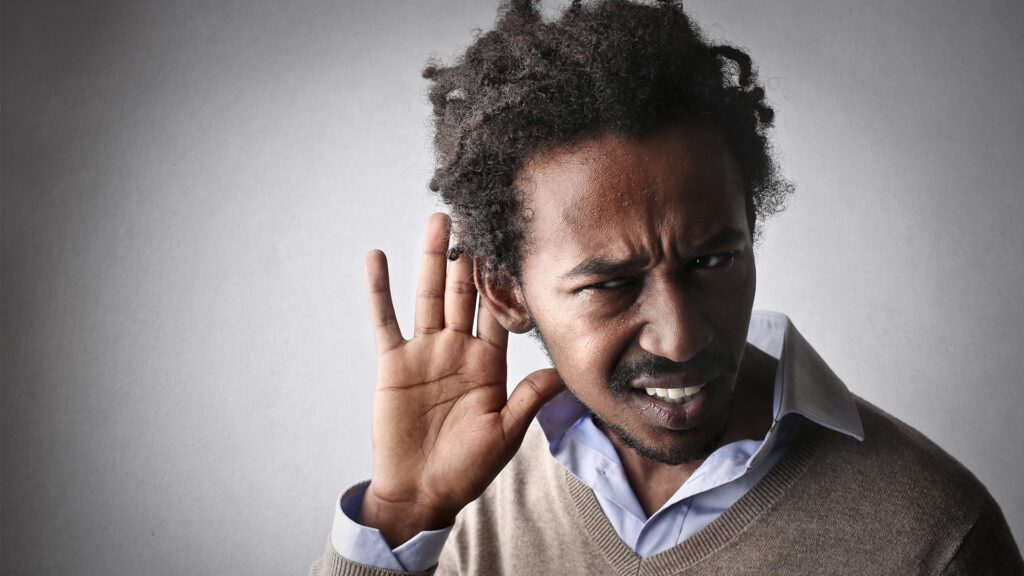
If you or a loved one frequently asks people to repeat themselves, struggles to follow conversations in noisy places, or keeps turning up the television volume, it may be time for a hearing evaluation. Hearing loss often develops gradually, making it easy to dismiss as a normal part of aging. But experts say early diagnosis and treatment can improve quality of life, communication, and possibly long-term cognitive health. It’s also important to remember that hearing aids are not a cure for dementia, nor are they a guarantee against future memory problems. They are one piece of a larger healthy aging plan that includes regular exercise, managing blood pressure and diabetes, staying socially connected, eating a healthy diet, and avoiding tobacco.
The WHO’s updated guidance sends a clear message: hearing health deserves the same attention as heart health and physical fitness. For people with hearing loss, wearing hearing aids isn’t simply about hearing better—it may also be an investment in maintaining brain health and independence as they age. Hearing Well Matters!
To arrange a no-cost, no-obligation hearing assessment, please call our award-winning Burlington hearing clinic at 905-681-4327 (HEAR), or visit our clinic website at www.hearingwellmatters.ca
Any content, resident submissions, guest columns, advertisements, and advertorials are not necessarily endorsed by or represent the views of Best Version Media LLC (BVM) or any municipality, homeowners associations, businesses, or organizations that this publication serves. BVM is not responsible for the reliability, suitability, or timeliness of any content submitted, inclusive of materials generated or composed through artificial intelligence (AI). All content submitted is done so at the sole discretion of the submitting party.