The Importance of Pediatric Eye Exams
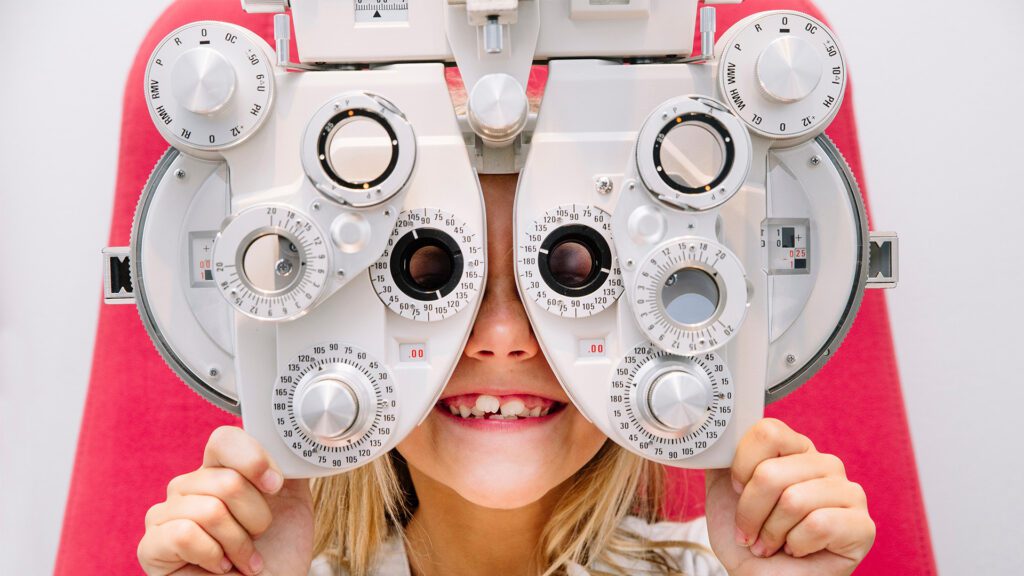
Pediatric eye examinations are an important part of a child’s overall health and development. Good vision is essential for learning, reading, participating in sports, and safely interacting with the world around them. Some eye conditions can occur without obvious symptoms, and children, unlike adults, may not realize or be able to articulate that they have a vision problem. They may assume that the way they see is normal. For this reason, regular eye exams can help identify problems early, when treatment is often most effective.
During a pediatric eye exam, the exam is adjusted to a child’s age and ability. An eye doctor will evaluate more than whether a child can read an eye chart. The provider will also evaluate how well the eyes work together, eye alignment, eye movement and tracking, focusing ability, depth perception, color vision, and the overall health of the eyes.
Common Eye Conditions in Children
Comprehensive eye exams can identify common eye conditions in children. Some conditions can be congenital, while others do not develop until later in childhood.
Refractive errors, such as nearsightedness (myopia), farsightedness (hyperopia), and astigmatism, can affect a child’s ability to see clearly and perform daily activities.
However, these conditions can often be corrected with glasses or contact lenses.
Amblyopia, known as a “lazy eye,” is one of the most common eye conditions in children. It occurs when vision in one eye does not develop normally, causing the brain to favor the stronger eye. Similarly, strabismus, or crossed eyes, occurs when the eyes do not align correctly. Both amblyopia and strabismus can affect vision if not treated early.
Signs That Your Child May Have Difficulty Seeing
Be alert to signs that your child may have difficulty seeing. These signs may include:
- Frequent squinting or headaches
- Sitting too close to the television or computer screen
- Holding books unusually close to their face
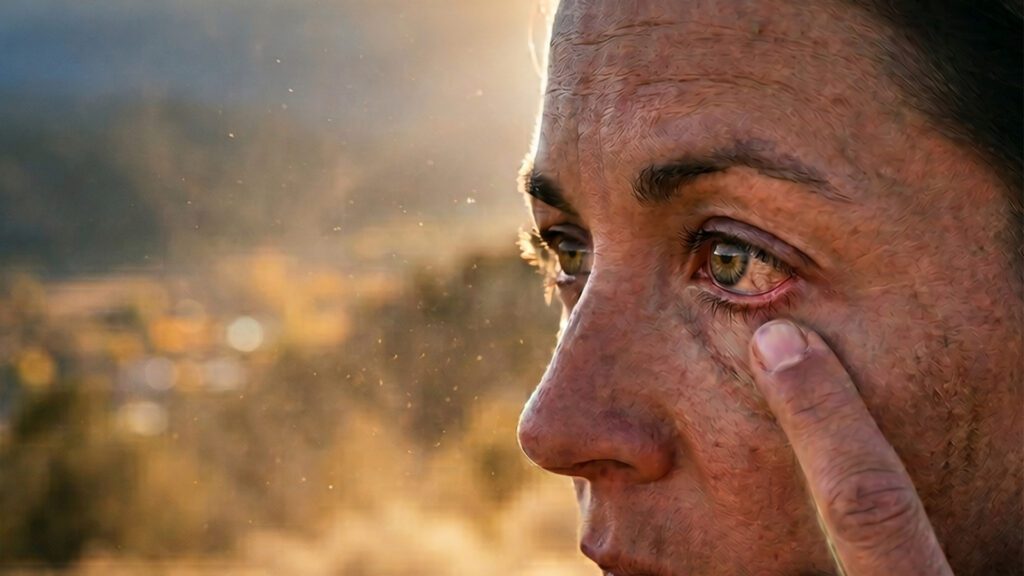
- Excessive eye rubbing
- Covering or closing one eye
- Having difficulty reading or experiencing poor school performance
- Unusual head positioning
- An eye that turns inward or outward
The Benefits of Regular Pediatric Eye Examinations
There are extensive benefits to regular pediatric eye exams. These exams help ensure that a child’s visual system is developing normally and can contribute to a child’s overall well-being. Clear vision is essential for children as they read, write, play sports, and interact with others. Regular exams can detect common eye conditions early, allowing them to be treated before they interfere with visual development or a child’s ability to learn and participate comfortably.
Healthy vision can contribute to a child’s academic success, physical activity, social development, and overall quality of life. If you notice any signs that your child may have difficulty seeing, consult an eye doctor. Regular eye care can help give your child the visual foundation they need to learn, explore, and thrive.
Any content, resident submissions, guest columns, advertisements, and advertorials are not necessarily endorsed by or represent the views of Best Version Media LLC (BVM) or any municipality, homeowners associations, businesses, or organizations that this publication serves. BVM is not responsible for the reliability, suitability, or timeliness of any content submitted, inclusive of materials generated or composed through artificial intelligence (AI). All content submitted is done so at the sole discretion of the submitting party.