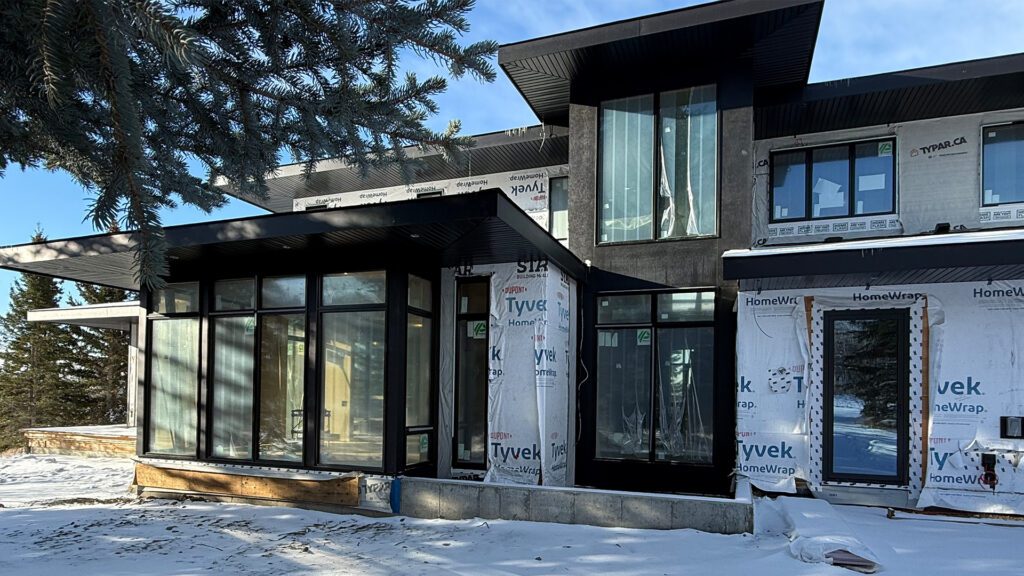

What happens after a house is demolished?
For new builds on lots with existing structures, we start by removing the current building from the property. This involves asbestos testing and removal if necessary, disconnecting all utilities, safety checks, and finally using machinery to take down the structure. Trees are not always involved in the demo. The client can decide whether a tree will remain on the property and public trees require additional protection and approvals by the city to ensure their survival.
Once the site has been cleared excavation can begin. This is the process of digging a hole to the proper elevation needed as noted in the site plans. Footings, the part of the foundation that the new homes walls are built on, must be placed correctly before any more work can continue. This process, also called “Cribbing,” is closely monitored by our Project Managers and Engineer trade partners.
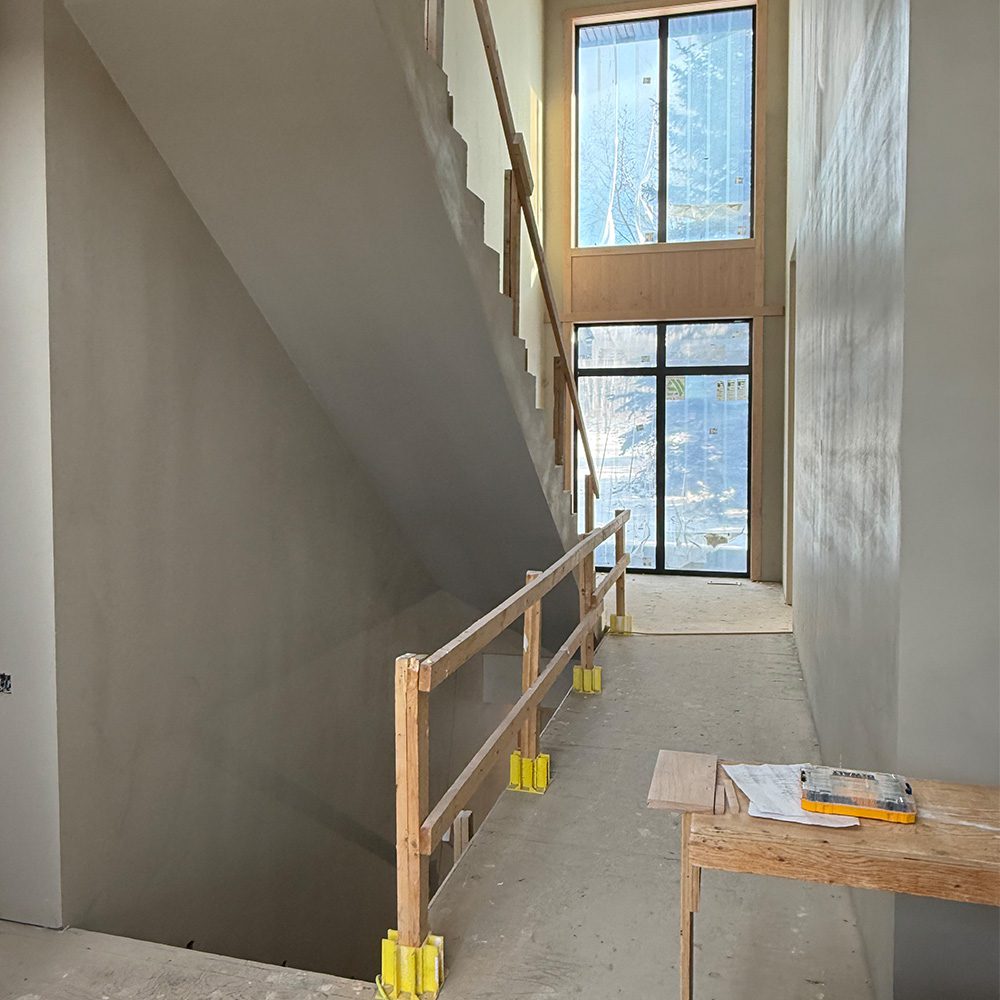
Why are construction fences so close to the sidewalk?
To keep the construction site as open as possible, with as much room to complete the construction of the new home as possible, fences are placed at the property line. It’s always our intention to be as conscientious as possible to ensure the fences stay standing, do not impede pedestrian travel, and do not cause tripping hazards.
Fences also display important information like our contact info, safety signage, and our building permit.
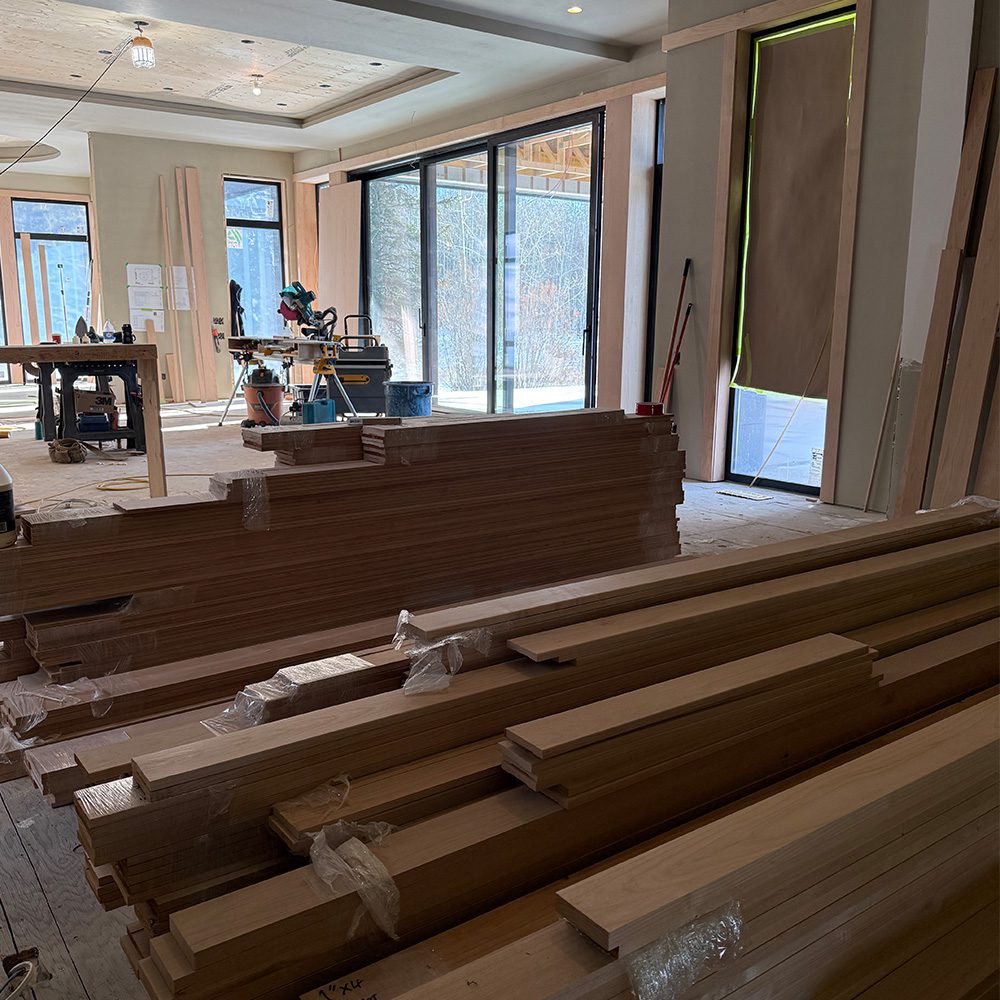
Why does it take so long to build a custom home?
Depending on the complexity and size of the home a new build can take two years or longer. The homes we build are full of original features that offer us unique challenges and the opportunity to collaborate with Architect Technologists, Engineers, and many trades. Managing everyone’s schedules, ensuring a high quality build every step of the way with internal inspections, and allowing time for the clients to visit site and make selections, all contribute to the length of build time.
Collaborating with our trade partners in a respectful and positive manner is important to us. Our Project Managers consider road access, service requirements (like electricity usage), supply deliveries, and more to keep work flowing efficiently.
Of course, weather is also a factor with construction! An especially rainy summer can cause muddy conditions that take a large amount of time from our team to maintain site cleanliness. A cold winter can increase our costs, which may mean we delay work until the Spring months in order to reduce the expense for our clients.
Any content, resident submissions, guest columns, advertisements, and advertorials are not necessarily endorsed by or represent the views of Best Version Media LLC (BVM) or any municipality, homeowners associations, businesses, or organizations that this publication serves. BVM is not responsible for the reliability, suitability, or timeliness of any content submitted, inclusive of materials generated or composed through artificial intelligence (AI). All content submitted is done so at the sole discretion of the submitting party.