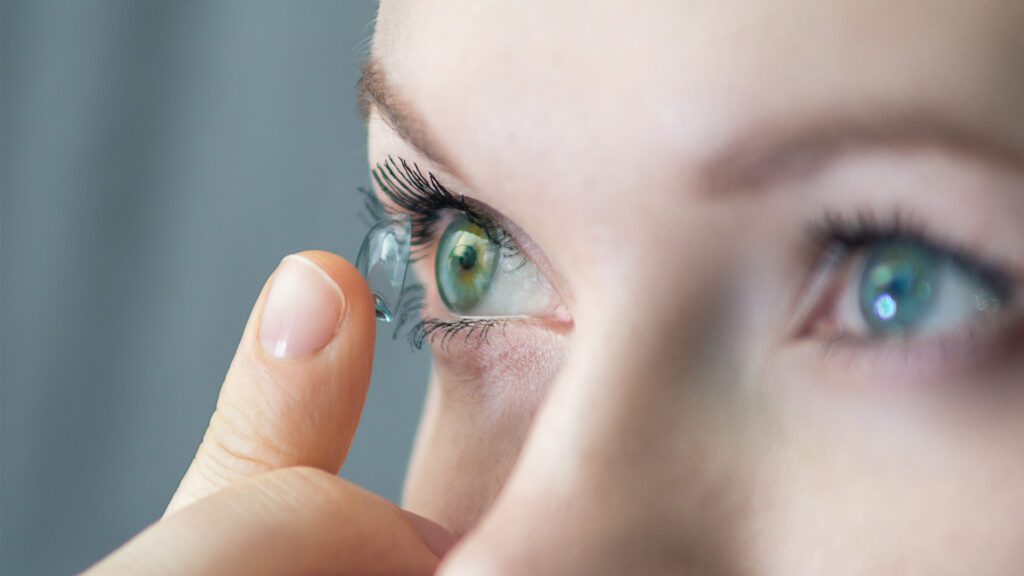

Contact lenses can be a wonderful option for many people. Whether you are tired of glasses fogging up in winter, want more freedom for sports, or simply like the idea of seeing clearly without frames, contacts can make everyday life feel a little easier.
That said, contact lenses are not quite the same as buying a new pair of sunglasses. They sit directly on the eye, which means proper fitting, training, and care are important for both comfort and eye health.
Here are a few practical things to know before trying contact lenses.
1. Your Glasses Prescription Is Not Enough
A glasses prescription and a contact lens prescription are different. Glasses sit in front of the eyes, while contact lenses sit directly on the surface of the eye. That means the lens power, size, shape, material, and fit all matter.
During a contact lens fitting, your optometrist will assess your eyes, your prescription, your tear film, and your lifestyle. Trial lenses may be used to check comfort, vision, and fit before a final contact lens prescription is provided.
This step is important. A lens that does not fit properly may feel uncomfortable, move too much, blur your vision, or affect the health of the eye.
2. There Are More Options Than You Might Think
Some people assume they cannot wear contact lenses because they have astigmatism, need reading glasses, or tried lenses years ago and did not love them. In many cases, there may be more options available than they realize.
There are several types of contact lenses available, and the right choice depends on your prescription, eye health, and lifestyle. Common options include:
- Daily disposable lenses for convenience and simplicity
- Reusable lenses for regular wear
- Lenses designed for astigmatism
- Multifocal lenses for people who need help seeing at different distances
- Specialty lenses for certain vision or eye health needs
Daily disposables are popular because they are convenient and fresh each day. Reusable lenses can also work very well, but they require proper cleaning and storage.
The best option depends on your eyes, your prescription, your comfort, and how often you want to wear them.
3. The First Try Does Not Have to Be Perfect
Learning to insert and remove contact lenses can feel awkward at first. That is completely normal. Most people improve with practice, patience, and proper instruction.
A contact lens teaching appointment helps you learn how to handle your lenses safely. You will practice putting them in, taking them out, and caring for them before wearing them on your own.
The goal is not to rush. The goal is to make sure you feel confident.
4. Healthy Habits Matter
Good contact lens habits are simple, but important. Always wash and dry your hands before handling lenses. Use the cleaning solution recommended by your optometrist. Do not rinse lenses with tap water. Do not sleep in contact lenses unless your optometrist has specifically told you it is safe for your lenses and your eyes.
It is also important to follow the replacement schedule. Stretching lenses longer than recommended may increase the risk of irritation, dryness, and infection.
Redness, pain, light sensitivity, discharge, or sudden blurred vision should not be ignored. If something feels wrong, remove the lenses and contact your optometrist.
5. Glasses Still Have a Place
Even happy contact lens wearers still need glasses. Your eyes may need a break, and glasses are important if you are sick, dealing with allergies, or experiencing irritation.
Contact lenses are not all-or-nothing. Some people wear them every day. Others wear them for sports, weekends, special events, or travel. The right plan is the one that fits your life.
If you are curious about contact lenses, an eye exam and contact lens fitting are the best place to start. With the right lens, the right fit, and the right habits, contact lenses can be a comfortable and convenient part of your vision care.
For questions or to learn more, contact media@rideauoptometric.com.
Any content, resident submissions, guest columns, advertisements, and advertorials are not necessarily endorsed by or represent the views of Best Version Media LLC (BVM) or any municipality, homeowners associations, businesses, or organizations that this publication serves. BVM is not responsible for the reliability, suitability, or timeliness of any content submitted, inclusive of materials generated or composed through artificial intelligence (AI). All content submitted is done so at the sole discretion of the submitting party.