
The islands of Scotland are well known for their textile history and for good reason. Unst Lace (also known as Shetland Lace) and Fair Isle knitting are the most well-known traditions, both showing off the excellent traditional craftsmanship of the knitters. Fair Isle sits in between the Orkney and Shetland islands, an isolated landmass that has cultivated it’s own knitting language.
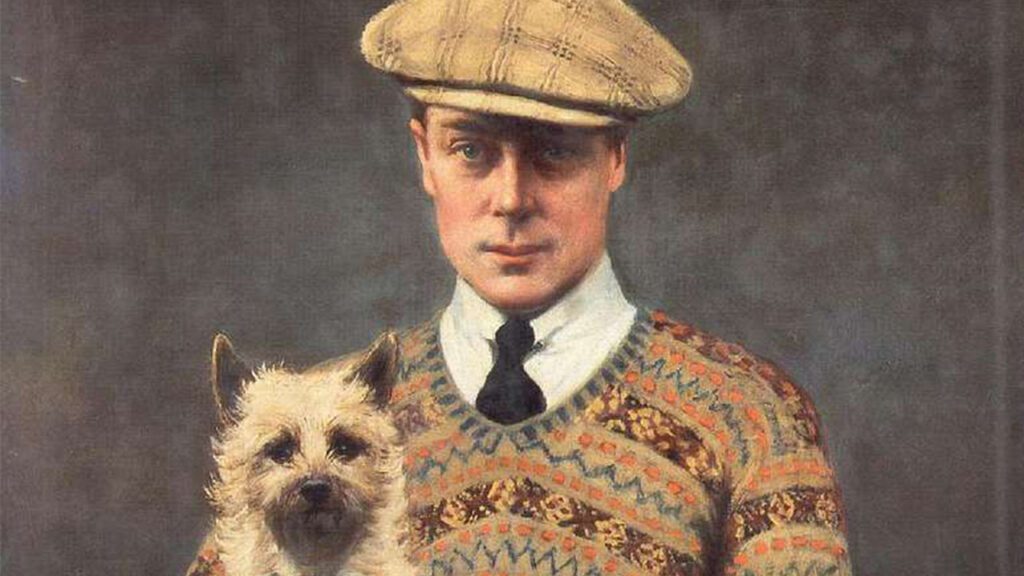
Fair Isle knitting is widely known in pop culture, and has been a fashion staple since 1921, when the Prince of Wales ( future King Edward VIII) began wearing the sweaters, introducing them at large to the general public. There is a famous 1925 portrait of Prince Edward where the intricate colourwork of a Fair Isle sweater is painted, demonstrating his love for the artform. He was a lifelong supporter of the Campaign for Wool, which has recently been revived by King Charles III.
The history of Fair Isle knitting is much older, having been first recorded in the 1690s. The original influence in creating the knitting style is a topic of considerable debate, but most specialists agree that the first introduction of colourwork knitting to the Shetland Isles was by Norwegian trading ships who stopped at Fair Isle ports on their routes. Although there are many overlapping pattern motifs in Fair Isle and Norwegian colourwork, they are distinctly different knitting styles. Fair Isle was also influenced by woven textiles, cross stitch, embroidery, and by everyday life.
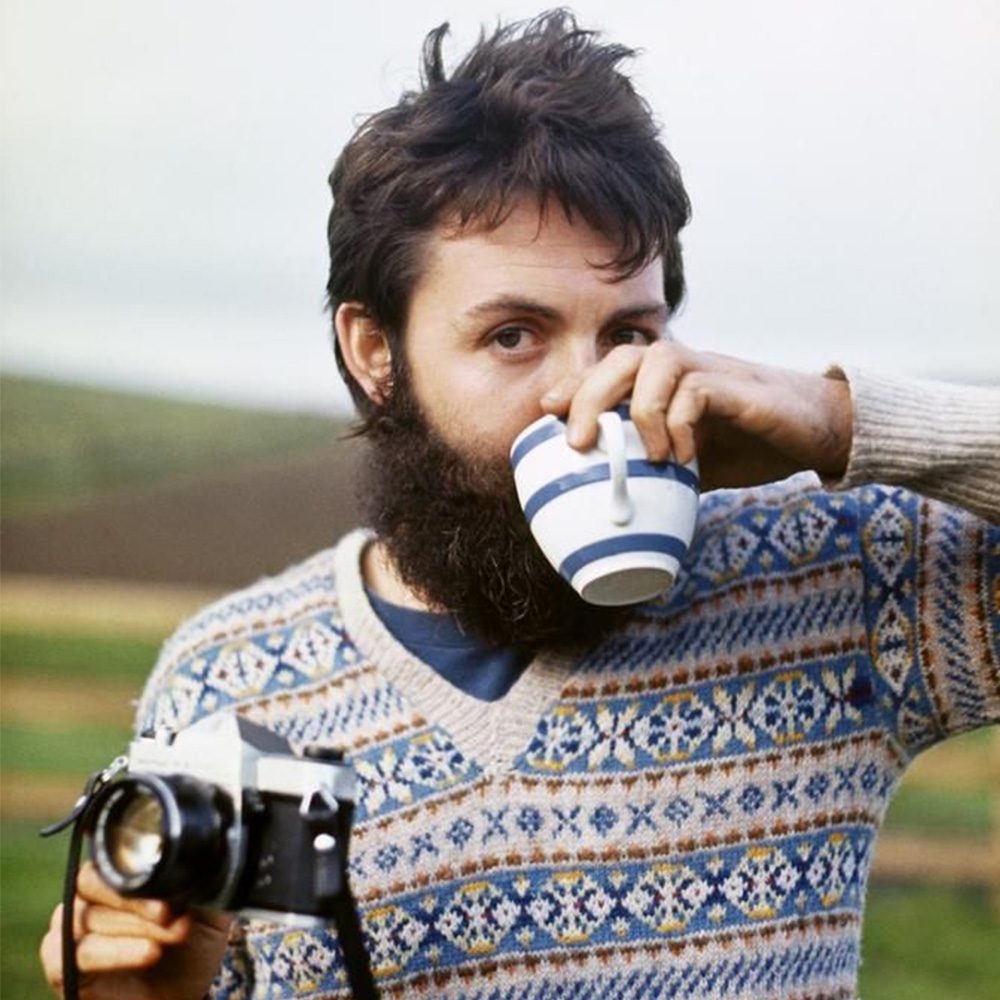
Colour is essential to the distinctive nature of Fair Isle. Most colours of yarn were the natural fleece of the Shetland sheep: Shetland Black, Shaela (dark grey), Sholmit (pale grey), Moorit (brown), Mooskit (dark fawn), Essot (pale fawn), and white. Additional colours were made with natural dyes, such as madder to make red or indigo/woad for blue.
On average, there are 5 colours used in Fair Isle knitting. However, only 2 colours are used per row, and they are never carried for more than 3 stitches. This gives Fair Isle knits a double-layered effect, which is very important in northern climates!
It is also an economical decision. If you run out of one colour, or have small amounts of yarn left over from previous projects, it is easy to blend those smaller bits into a larger project.
In recent years, the term Fair Isle has been used to refer to any knitting that uses more than one colour. Although Fair Isle is a type of stranded colourwork knitting, not every stranded colourwork is Fair Isle! Despite this important distinction, Fair Isle is a creative and ever-evolving artform. Grab some graph paper and start doodling your next knitting masterpiece!
Any content, resident submissions, guest columns, advertisements, and advertorials are not necessarily endorsed by or represent the views of Best Version Media LLC (BVM) or any municipality, homeowners associations, businesses, or organizations that this publication serves. BVM is not responsible for the reliability, suitability, or timeliness of any content submitted, inclusive of materials generated or composed through artificial intelligence (AI). All content submitted is done so at the sole discretion of the submitting party.