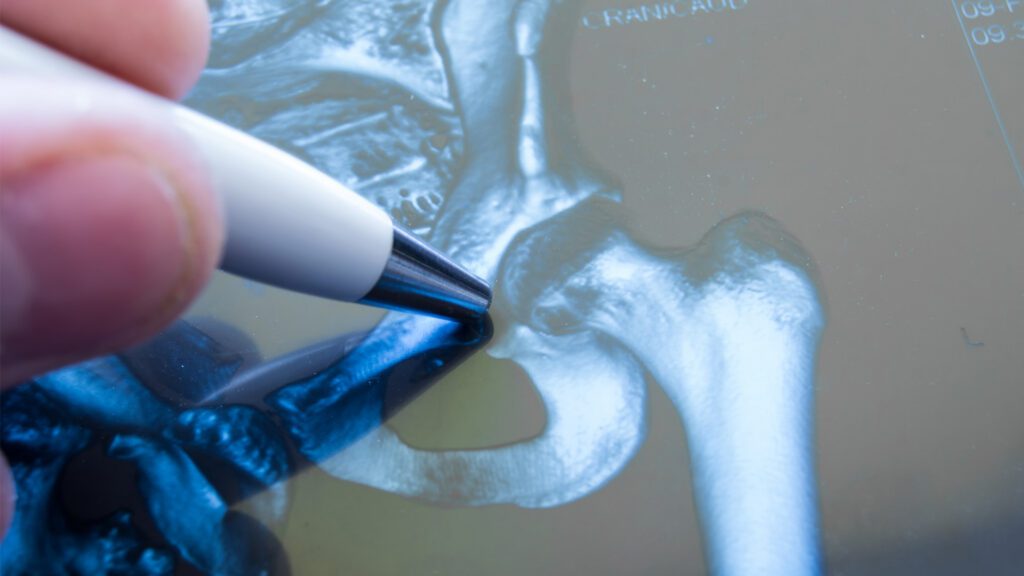
Heart specialists at Jupiter Medical Center are now offering a new, potentially safer treatment for patients experiencing atrial fibrillation (AFib) — a condition marked by uncontrolled fluttering or irregular beating of the heart.
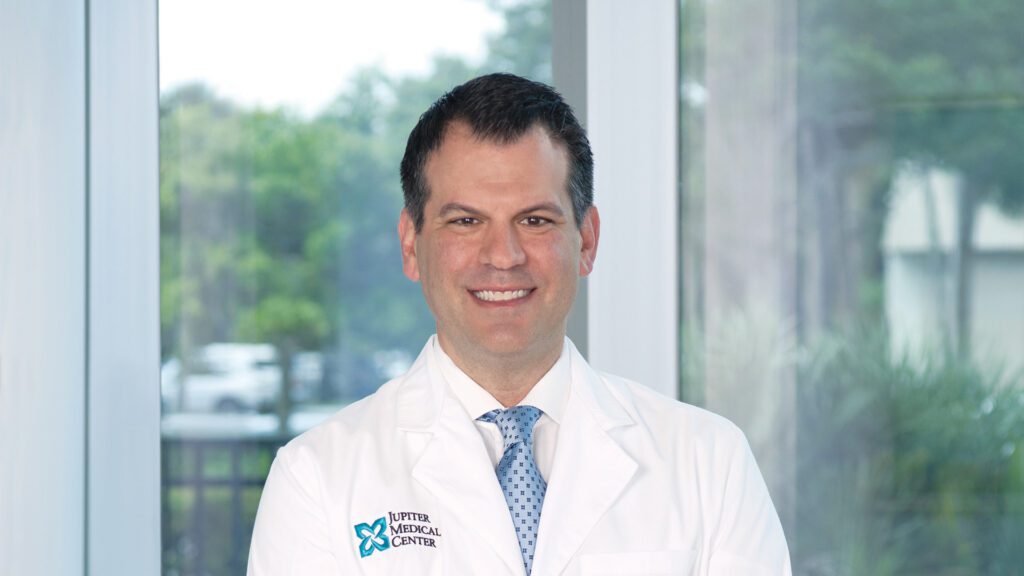
Instead of using tiny probes to burn or freeze the defective tissue inside the heart, doctors are using technology called pulsed field ablation. “This is the latest advancement in ablation technology,” explains Dr. David Weisman, a board-certified, fellowship-trained cardiac electrophysiologist—a heart rhythm specialist and Medical Director of Jupiter Medical Center’s AFib Center of Excellence.
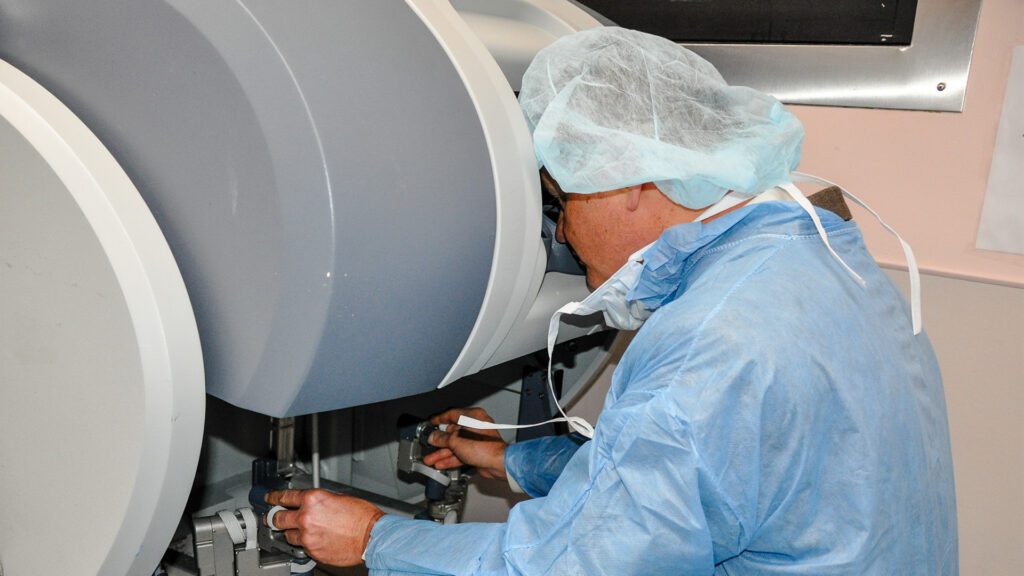
“It’s a new type of energy delivery that is ‘minimally thermal.’ The benefit for patients is that it may be a safer treatment option because it’s less likely to injure tissue in and around the heart,” Dr. Weisman points out. “The other benefit of this device is that it truly integrates into our 3-D mapping system to treat atrial fibrillation. We can perform these ablations using pulsed field technology without the need for X-rays.”
Jupiter: Among the first in Florida
Jupiter was one of the first medical centers in Florida to use the VARIPULSETM platform to deliver pulsed field ablation.
The American Heart Association’s list of common symptoms for AFib include:
- a rapid and irregular heartbeat, marked by fluttering or “thumping” in the chest
- general fatigue
- dizziness, shortness of breath, anxiety
- weakness, faintness, confusion
- fatigue when exercising
- sweating
- chest pain or pressure (which should require a call to 911)
Pulsed field ablation was approved as a new treatment in 2024, joining two other commonly used treatments designed to destroy the tissue that causes irregular heartbeats. They include tissue-freezing cryotherapy probes and radiofrequency/heat probes that burn away the defective tissue inside the heart. But cryotherapy and radiofrequency/heat approaches can carry specific risks, notes Dr. Weisman, including freezing or burning of tissue inside and surrounding the heart, and touching/burning of nearby organs and tissues, including the esophagus and the phrenic nerve, which controls the diaphragm and breathing.
“In contrast, pulsed field ablation involves short bursts of electrical impulses that are minimally thermal and more tissue-selective, specifically for the heart tissue,” he explains “As cardiac specialists, we can more safely destroy the tissue inside the heart that’s causing irregular heartbeats, and we get the same kinds of results as previous technologies.”
Benefits for patients
Dr. Weisman and his team have observed another benefit: quicker treatment times for patients. “The freezing/heat technologies typically require an hour-long procedure, compared with about a 40-minute treatment for the pulsed field ablation approach,” notes Dr. Weisman “The highlights are that it’s potentially safer than existing technologies, involves potentially shorter procedure times, and supports 3-D mapping that allow us to see virtually wat we’re looking at inside the heart and what we’re going to ablate.”
Like other AFib treatments, pulsed field ablation is a same-day procedure and most patients return home after a short recovery in the hospital.
For information about pulsed field ablation, contact Jupiter Medical Center’s AFib Center of Excellence, part of the Robson Heart and Vascular Institute, at 561-263-3767.
Any content, resident submissions, guest columns, advertisements, and advertorials are not necessarily endorsed by or represent the views of Best Version Media LLC (BVM) or any municipality, homeowners associations, businesses, or organizations that this publication serves. BVM is not responsible for the reliability, suitability, or timeliness of any content submitted, inclusive of materials generated or composed through artificial intelligence (AI). All content submitted is done so at the sole discretion of the submitting party.