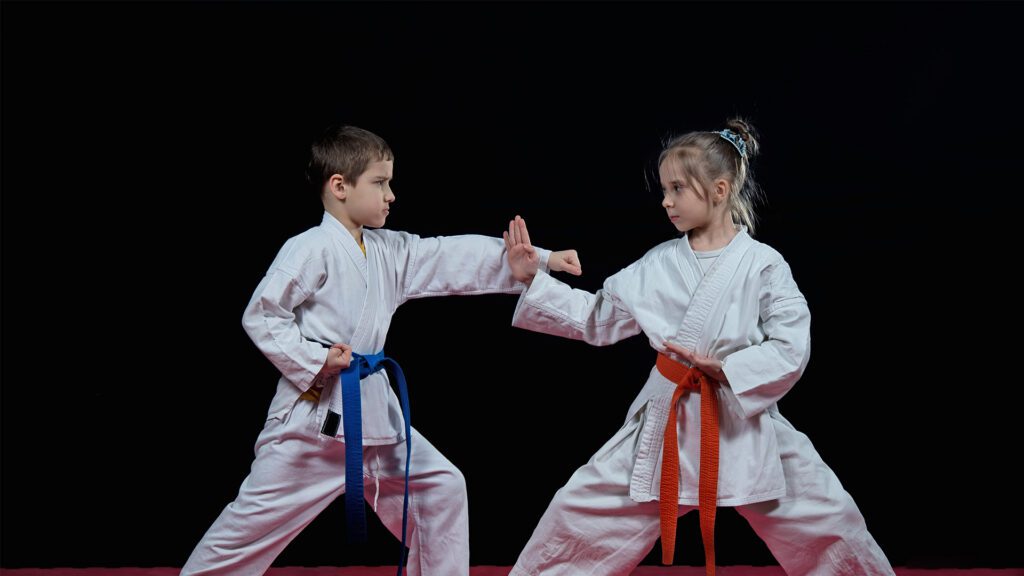
When students first step onto the mat, they often come with a single goal in mind—to learn how to defend themselves. And while martial arts certainly teach effective techniques for physical protection, what they gain goes far beyond strikes, blocks, and forms.
From my place at the front of the Do Jang, I have watched countless individuals transform—not just in skill, but in spirit. Martial arts is not simply about fighting; it is about growth, discipline, and discovering strength you didn’t know you possessed.
Discipline That Extends Beyond the Do Jang
In martial arts, progress is earned, not given. Students learn quickly that consistency matters more than talent. Showing up, practicing fundamentals, and pushing through challenges builds a deep sense of discipline.
Over time, that discipline carries into everyday life—school, work, relationships. The habits formed on the mat become the foundation for success.
Confidence Built Through Effort
Confidence in martial arts doesn’t come from being the strongest person in the room—it comes from improvement. A student who once struggled to complete a basic movement eventually executes it with precision and control. That journey builds genuine confidence. It’s not loud or boastful—it’s quiet, steady, and earned.
Respect for Self and Others
One of the first lessons taught in any Do Jang is respect. Students bow when entering, listen when others speak, and learn to value their training partners.
This culture fosters humility and awareness. Martial arts teaches that true strength is not about dominance, but about control—of both body and mind.
Physical Strength and Mental Resilience
Martial arts training challenges the body and sharpens the mind. Students develop:
- Improved strength, flexibility, and coordination
- Better focus and mental clarity
- The ability to remain calm under pressure
These benefits are not separate—they are deeply connected. A strong body supports a resilient mind, and a focused mind enhances physical performance.
Stress Relief and Emotional Balance
Life outside the Do Jang can be fast-paced and overwhelming. Training offers a space to reset. The rhythm of movement, the focus on technique, and the physical exertion all help release tension.
Many students find that after a class, they feel clearer, calmer, and more centered.
A Sense of Community
Though martial arts can feel like an individual journey, no one trains alone. The Do Jang becomes a community—one built on shared effort, encouragement, and mutual respect.
Students celebrate each other’s progress and support one another through challenges. It’s a reminder that growth is stronger when it’s shared.
Self-Defense with Responsibility
Yes, martial arts teach self-defense—but more importantly, they teach when not to use it. Awareness, de-escalation, and control are emphasized at every level.
A true martial artist understands that the greatest victory is often the conflict avoided.
Lifelong Growth
There is no final destination in martial arts. Even the most experienced practitioners continue to learn, refine, and grow.
This mindset—of always being a student—keeps the journey meaningful. Each belt earned is not an end, but a new beginning.
Final Words from the Mat
As an instructor, I have seen shy students find their voice, anxious minds discover calm, and individuals of all ages uncover a strength that changes how they move through the world.
Martial arts is not just about what you can do—it’s about who you become.
Step onto the mat with an open mind, and you may find that the greatest transformation isn’t in your technique, but within yourself.
Any content, resident submissions, guest columns, advertisements, and advertorials are not necessarily endorsed by or represent the views of Best Version Media LLC (BVM) or any municipality, homeowners associations, businesses, or organizations that this publication serves. BVM is not responsible for the reliability, suitability, or timeliness of any content submitted, inclusive of materials generated or composed through artificial intelligence (AI). All content submitted is done so at the sole discretion of the submitting party.