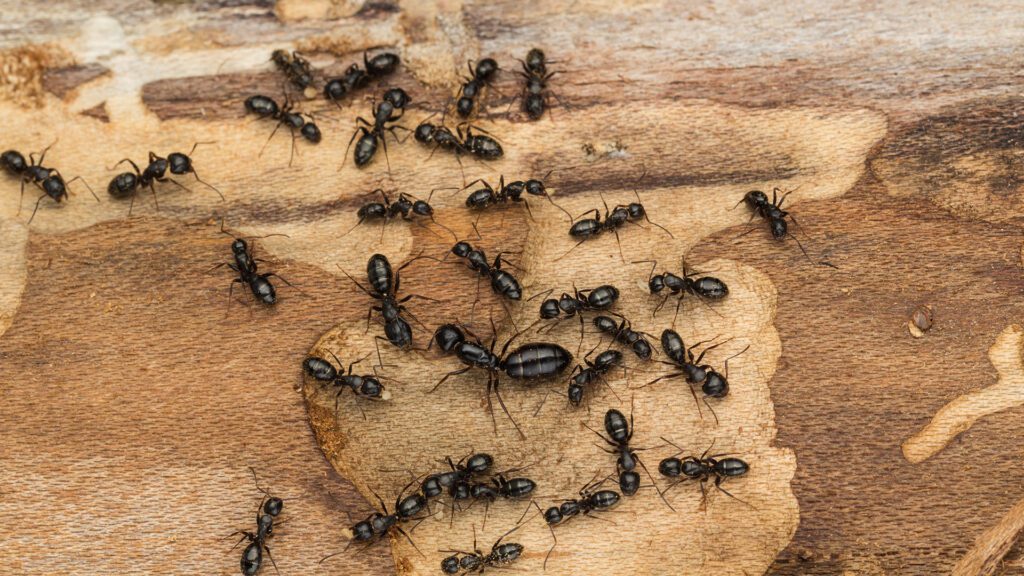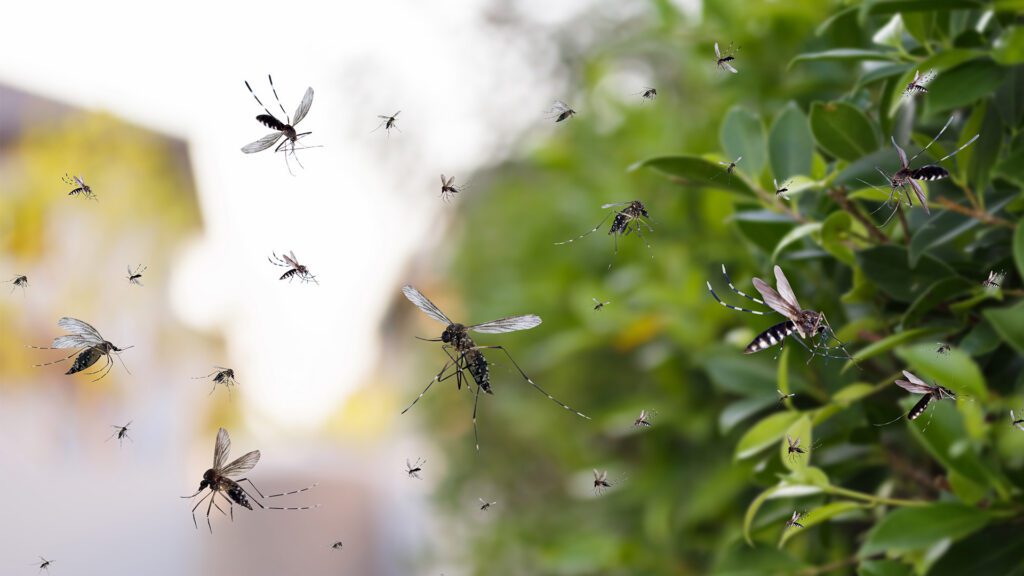
Like clockwork, when temperatures begin to drop in autumn, Southlake homeowners begin seeing an increase of rodents in our area.
Rodents are warm-blooded mammals that need food, water, and harborage. Rats live and thrive in a wide variety of climates and conditions and are often found in and around homes and other buildings, on farms, and in gardens and open fields. They chew on a variety of items available to them and cause great damage in and around homes.
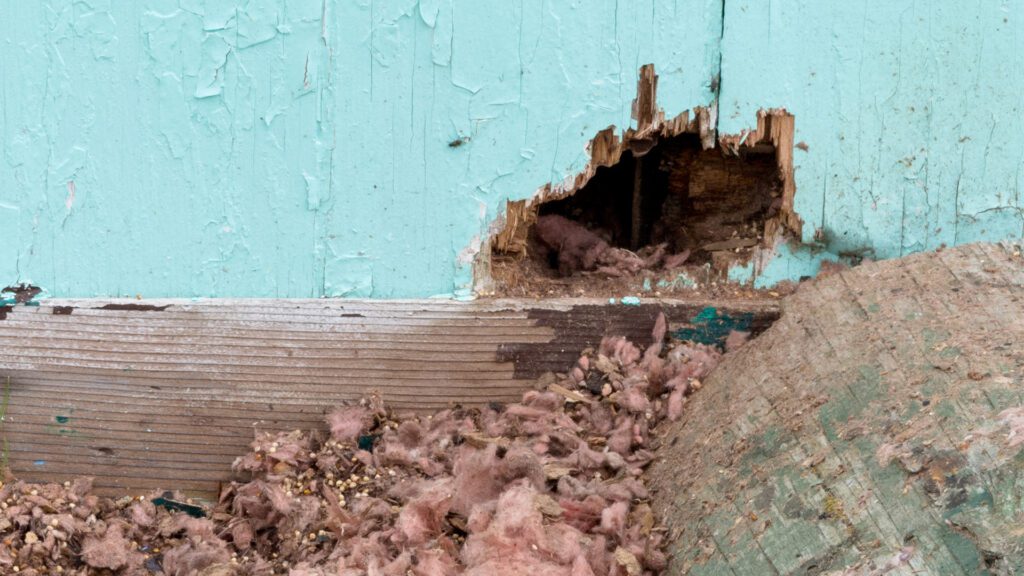
Some of their tell-tale signs include rat droppings, noises in the dark (scratching in the attic), evidence of gnawing on wires or structural wood, and burrows around the yard particularly among plants or damaged vegetables. However, because of their terrific memory, they quickly detect and tend to avoid new objects and novel foods. Thus, they often avoid traps and baits for several days or more following their initial placement.
Therefore, the most effective rat control begins with prevention. Trash should be disposed of properly, and sanitary conditions should be impeccably maintained. Both human and pet food is an incentive for rodents and should be kept in tightly sealed containers. Any standing water or moisture leaks should be addressed and/or repaired. Wood piles and other rodent shelter sites such overgrown weedy areas should be eliminated. In order to address an existing rat population, it is necessary to identify and eliminate their feeding, drinking and dwelling sites.
The most permanent form of rodent control is to limit food, water, shelter, and access to buildings. Rats are capable of squeezing through holes that appear to be much too small for them (as small as a quarter) so even very small holes should be sealed to prevent entry and reentry of rodents.
Some other D-I-Y prevention tips include:
- Sealing all possible entry points against rodent entry, such as sewers and air vents
- Repairing or replacing damaged ventilation screen around the foundation and under the eaves
- Providing a tight-fitting cover for the crawl space
- Sealing all openings around pipes, cables, and wires that enter through walls or the foundation
- Checking all windows that can be opened are screened and that the screens are in good condition
- Since rats often enter by climbing trees and coming through broken screens or vents, make sure internal screens on roof and attic air vents are in good repair
- Covering rooftop plumbing vent pipes in excess of 2 inches in diameter with screens over their tops
- Making sure all exterior doors are tight fitting and weatherproofed at the bottom
- Trimming back your trees and bushes
- With water a magnet for rodents, do not over-water your lawn
Please give us a call (817) 337-9839 if we can be of any assistance.
Any content, resident submissions, guest columns, advertisements, and advertorials are not necessarily endorsed by or represent the views of Best Version Media LLC (BVM) or any municipality, homeowners associations, businesses, or organizations that this publication serves. BVM is not responsible for the reliability, suitability, or timeliness of any content submitted, inclusive of materials generated or composed through artificial intelligence (AI). All content submitted is done so at the sole discretion of the submitting party.