A beautiful spring garden begins long before the first daffodil appears. It begins in fall, when the bulbs that will bring the garden to life next year are tucked into the ground. Spring-blooming bulbs, including daffodils, tulips, hyacinths, crocus and many other favorites, are planted in fall because they need a period of cool temperatures before they can bloom. What looks like a quiet bulb tucked beneath the soil is actually preparing for the show to come.
When Should You Plant?
Here in Gloucester and throughout coastal Virginia, spring-blooming bulbs can generally be planted from late October through December, as long as the ground remains workable. There is no need to rush to plant as soon as bulbs become available. Our falls are often warm, and waiting until soil temperatures begin to cool provides better conditions for planting. Waiting until after the first hard frost is recommended because that is the time when you know that proper planting weather has arrived.
Submitted photo
Think Beyond Daffodils and Tulips
Daffodils and tulips may get most of the attention, but the world of spring-blooming bulbs is wonderfully diverse. Adding some less familiar choices can extend the season and make your garden much more interesting.
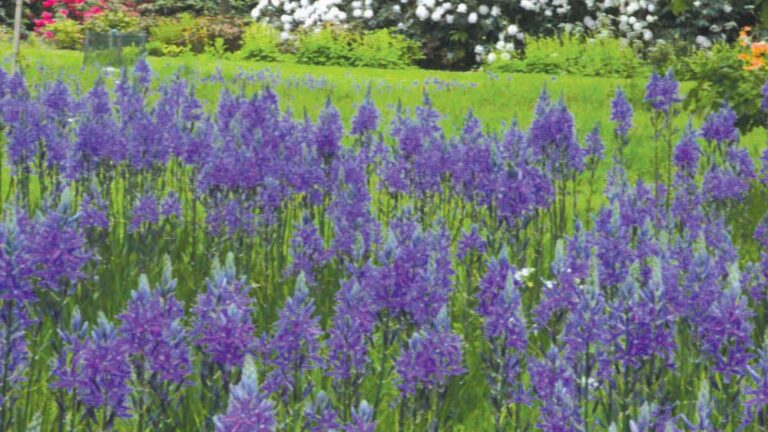
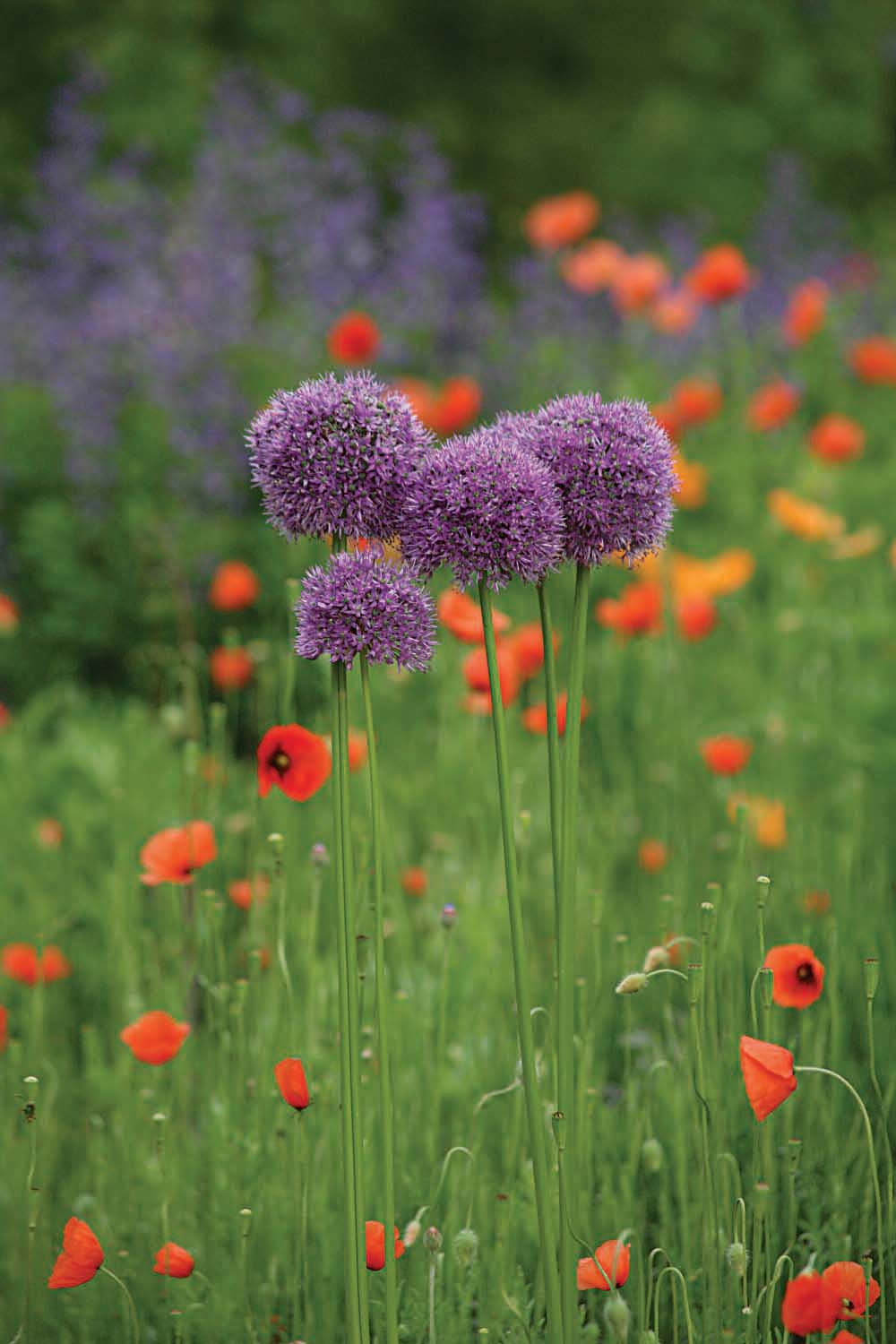
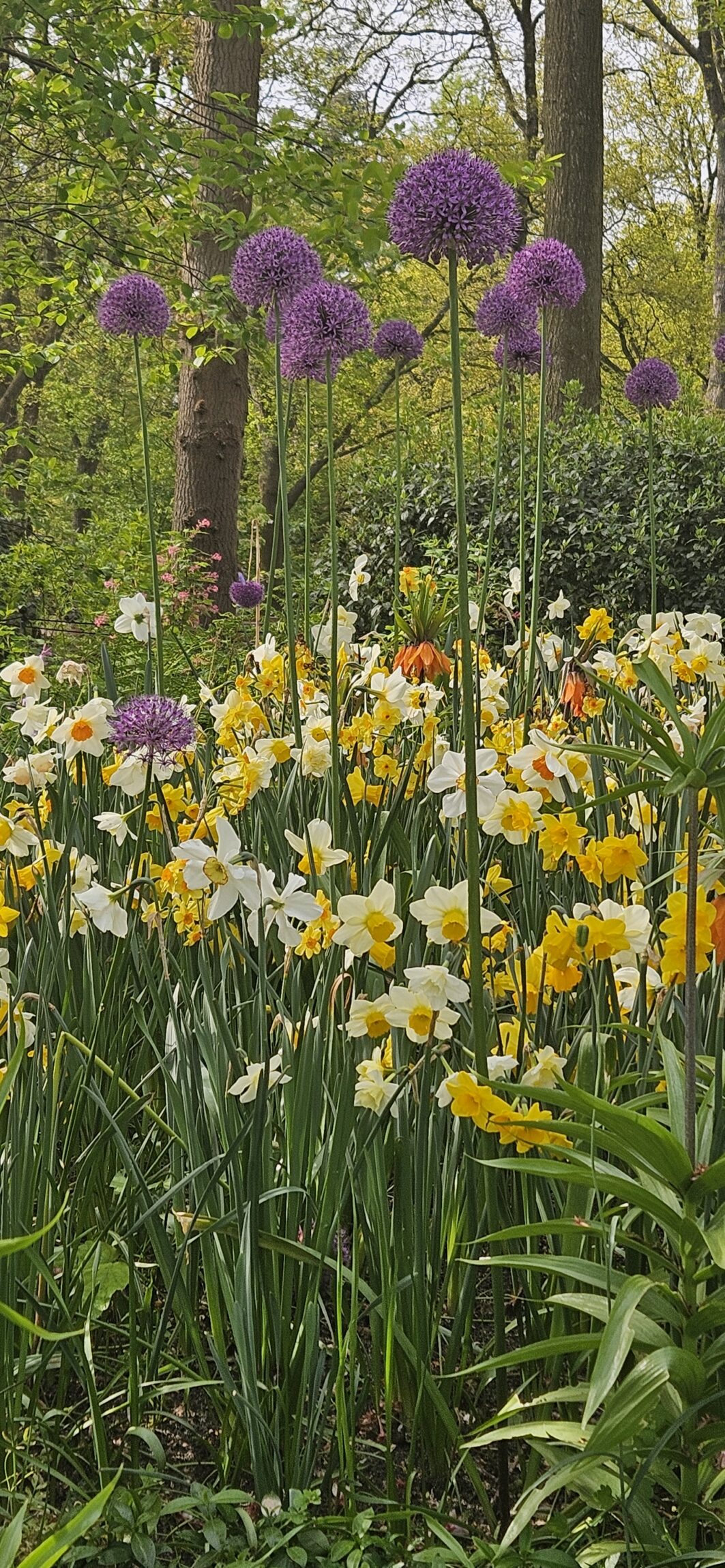
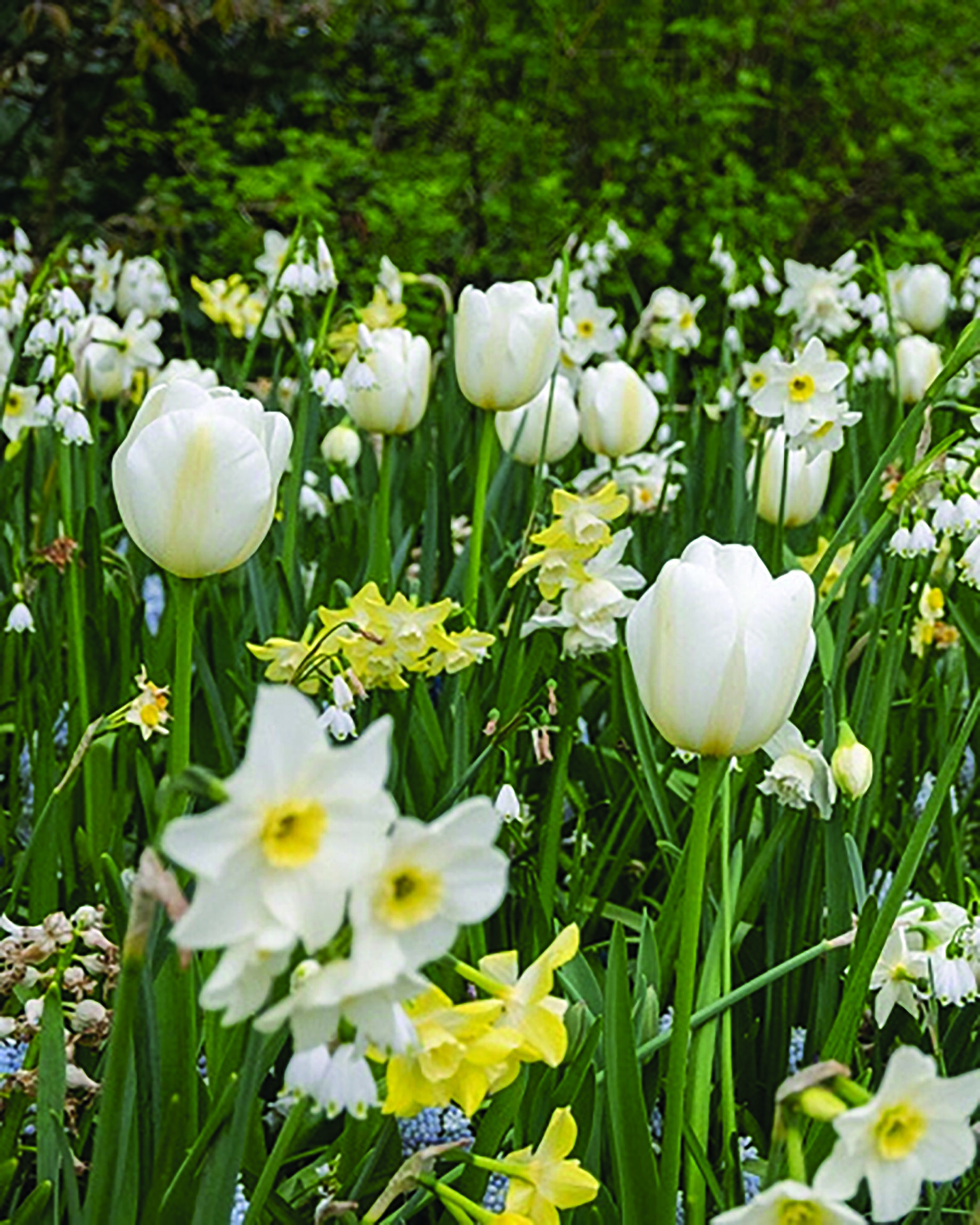
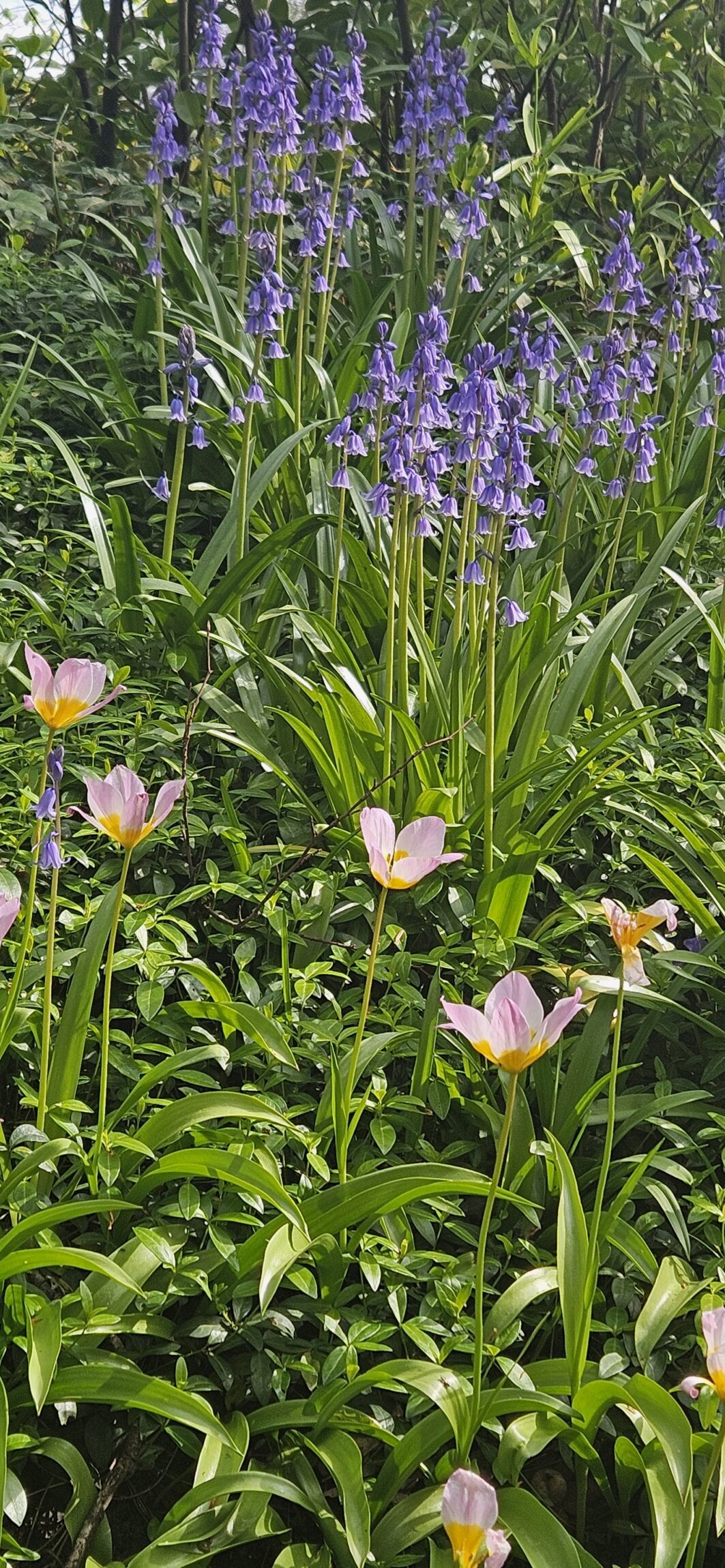
Crocus and other small bulbs are among the first signs of spring. Leucojum, sometimes called summer snowflake, produces delicate white, bell-shaped flowers. Camassia sends up beautiful spikes of blue flowers and is especially attractive when planted in groups. Spanish bluebells (Hyacinthoides) can create sweeps of color beneath deciduous trees, while ornamental alliums provide dramatic globes of flowers later in the spring.
Mixing these with familiar favorites creates a succession of flowers rather than one big burst of color.
Choose the Right Spot
Most spring-flowering bulbs perform best in an area that receives plenty of sunlight and, perhaps even more importantly, has good drainage. Bulbs don’t like to sit in soggy soil. Remember that your garden will look very different in early spring than it does in fall. A spot beneath a deciduous tree that seems shady now may receive plenty of sunshine before the tree leafs out. These areas can be wonderful places for early-blooming bulbs.
Bulbs also don’t have to be confined to traditional flower beds. Tuck them among perennials, plant them along walkways or add them beneath shrubs. Daffodils and other bulbs that naturalize well can even be planted in informal areas where they are allowed to spread and multiply over time.
Submitted photo
Plant for a Longer Season
One of the easiest ways to get more enjoyment from spring bulbs is to pay attention to bloom time. Choose a combination of early, mid and late season bloomers instead of varieties that all flower at once.
Begin with crocus and other early bulbs, follow with daffodils, hyacinths and tulips, and finish with late daffodils and ornamental alliums. With thoughtful planning, a spring bulb display can provide changing color for weeks.
For a more natural appearance, plant bulbs in groups or drifts rather than in evenly spaced rows. When naturalizing bulbs in a lawn or informal area, try gently tossing a handful onto the ground and planting them where they land. The irregular spacing often looks much more like something nature created.
Planting Is Easier Than You Think
A good rule of thumb is to plant a bulb about three times as deep as the bulb is tall, with the pointed end facing upward. Don’t worry too much if a bulb lands slightly sideways. It will usually figure out which direction it needs to grow.
After planting, water the area well to settle the soil and encourage root development. Then comes the easiest, and sometimes hardest, part – waiting.
When flowers finish blooming next spring, resist the temptation to immediately remove the foliage. Allow the leaves to remain until they naturally yellow and decline. Those green leaves are collecting energy and sending it back into the bulb, helping prepare it for another season of growth and flowers.
Submitted photo
Your Spring Garden Begins Now
There is something especially rewarding about planting bulbs. On a cool fall day, you tuck these unassuming little packages beneath the soil without much immediate gratification. For several months, you may even forget exactly where you planted them.
Then, just when winter seems to have lasted long enough, the first green shoots begin pushing through the ground. Soon there are flowers where months earlier there was only bare soil.
Planting bulbs is one of gardening’s best lessons in patience. A wonderful reminder that a little effort today can bring a lot of joy later.
The beautiful spring garden you’re imagining doesn’t begin in March or April. It begins this fall.
Submitted photo
Bulbs Deer Tend to Leave Alone
Deer can make gardening a challenge, but fortunately, many spring-blooming bulbs are not among their favorite foods. If deer regularly visit your garden, consider planting:
Daffodils – One of the best choices for deer-prone gardens. Daffodils contain compounds that make them unappealing to deer and other hungry critters.
Alliums – Members of the onion family, ornamental alliums have a strong scent and flavor that deer generally avoid.
Hyacinths – Their wonderfully fragrant flowers may appeal to us, but deer usually leave them alone.
Leucojum – These graceful, bell-shaped spring flowers are another good choice where deer are a concern.
Fritillaria – Available in an assortment of shapes and sizes, fritillaria have a distinctive scent that tends to discourage deer.
No plant is completely deer-proof, especially when food is scarce, but choosing bulbs they find less appealing can help you enjoy more blooms, and fewer nibbled plants, next spring.
Any content, resident submissions, guest columns, advertisements, and advertorials are not necessarily endorsed by or represent the views of Best Version Media LLC (BVM) or any municipality, homeowners associations, businesses, or organizations that this publication serves. BVM is not responsible for the reliability, suitability, or timeliness of any content submitted, inclusive of materials generated or composed through artificial intelligence (AI). All content submitted is done so at the sole discretion of the submitting party.