Brass is a valuable metal alloy made primarily from copper and zinc. Because it is durable, corrosion-resistant, and highly recyclable, brass is widely used in plumbing fixtures, electrical components, musical instruments, hardware, and decorative products. Recycling brass helps conserve natural resources, reduce energy consumption, and keep useful metal out of landfills.
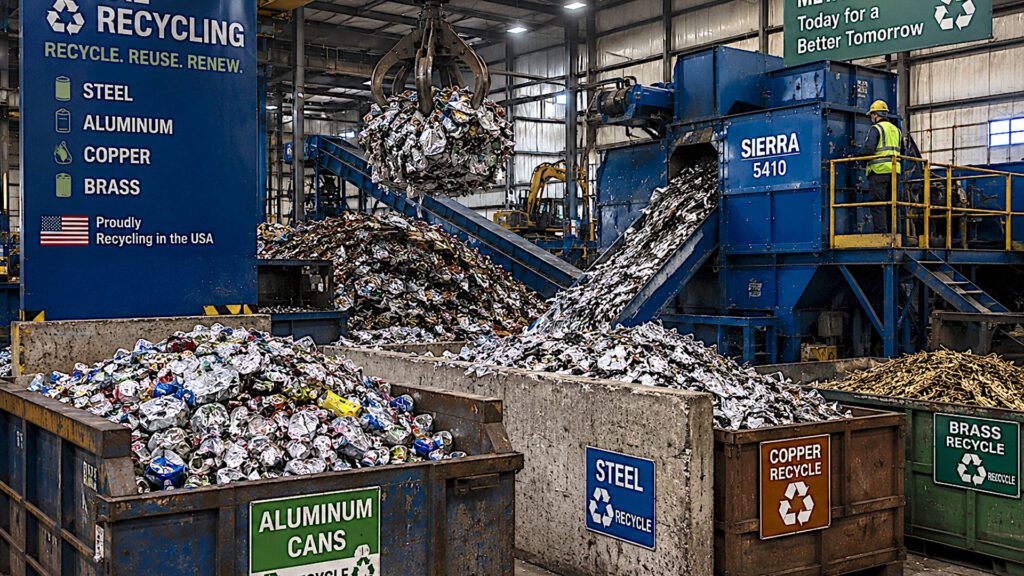
The brass recycling process generally begins with collecting and sorting scrap metal. Recyclers separate brass from other materials and identify different grades or alloys. The scrap is then cleaned to remove contaminants such as plastic, steel, coatings, or other metals. After sorting, the brass is melted in a furnace and refined before being cast into new shapes, such as bars, sheets, rods, or other products. Recycled brass retains many of the useful properties of newly produced brass, making it an important material for a circular economy.
Submitted photo
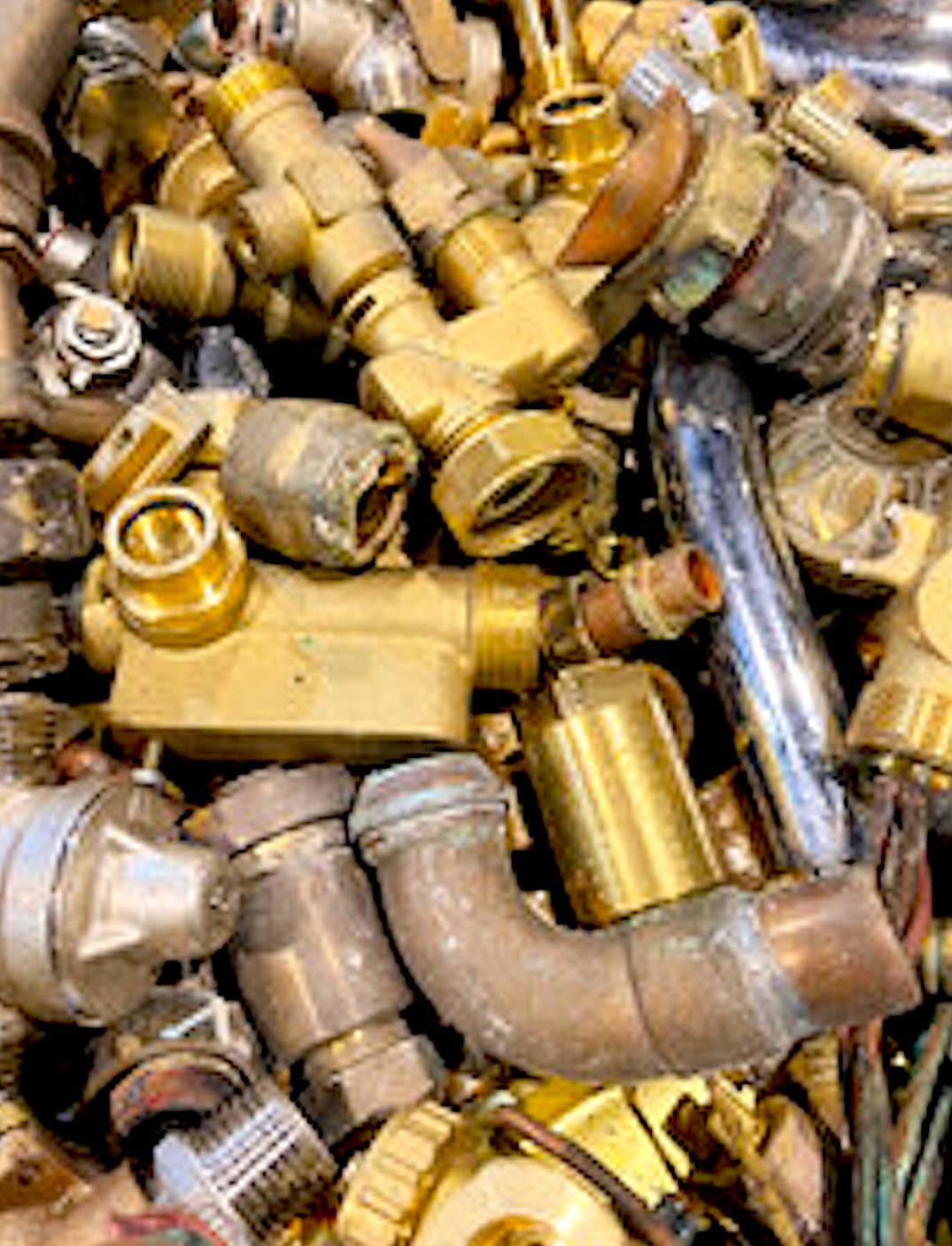
There are several types of brass, each with different properties and applications. The most common types of brass that are recycled are:
Yellow brass is one of the most common varieties and contains a relatively high proportion of zinc. It is frequently used for plumbing fixtures, locks, decorative items, and hardware.
Red brass contains more copper and less zinc than yellow brass, giving it greater corrosion resistance and making it useful for plumbing valves and industrial applications.
Cartridge brass, typically containing about 70% copper and 30% zinc, is known for its strength and ability to be formed into thin sheets. It is used in applications requiring good flexibility and durability.
Bronze is often mistaken for brass and they are similar, however bronze is primarily an alloy of copper and tin, although some varieties contain additional metals such as aluminum, silicon, or phosphorus. It is used in industrial, architectural and marine applications because of its weather resistance and strength.
The recycling process for brass and bronze generally begins with collecting, sorting, and cleaning scrap metal. Recyclers separate these alloys from steel, aluminum, plastic, and other materials. The sorted scrap is then sent to a foundry to processed and melted before being refined and cast into new products.
For businesses, contractors, manufacturers, and consumers, properly sorting and recycling brass and bronze scrap is an effective way to recover valuable materials while supporting more sustainable manufacturing practices.
Recycling Pays – Environmentally, Socially and Financially.
Any content, resident submissions, guest columns, advertisements, and advertorials are not necessarily endorsed by or represent the views of Best Version Media LLC (BVM) or any municipality, homeowners associations, businesses, or organizations that this publication serves. BVM is not responsible for the reliability, suitability, or timeliness of any content submitted, inclusive of materials generated or composed through artificial intelligence (AI). All content submitted is done so at the sole discretion of the submitting party.