Different seasons seem to carry different rhythms. Summer tends to invite more spontaneity: later nights, vacations, travel, social plans, and a little more looseness in our schedules. Then fall arrives, and something begins to shift. The days get shorter, the air gets cooler, and we naturally start moving toward a steadier, more consistent pace.
There’s something about fall that makes us want to find our rhythm again. We start filling our calendars, returning to weekly activities, establishing bedtime routines, meal prepping, settling into work rhythms, and making plans for the weekend. After months of a more flexible pace, September and October can feel like an invitation to settle back into something familiar. We often think of routines as a way to stay organized or be more productive, but there’s another reason they can feel so good: our nervous systems appreciate knowing what to expect.
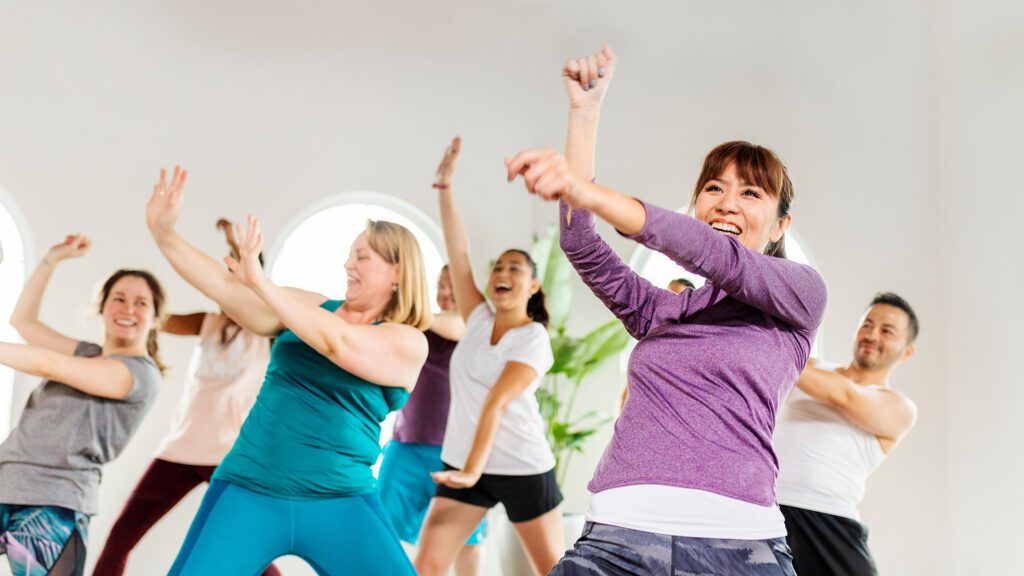
Predictability can create a sense of safety and stability, giving the brain fewer unknowns to constantly track. Your brain is constantly trying to predict what will happen next: it uses past experiences and familiar patterns to anticipate what’s coming. When life feels unpredictable, there’s more uncertainty to process. Familiar routines can help reduce some of that guesswork and give our brains a little more room to relax. This doesn’t mean we need to schedule every minute of our lives, as routine that is too rigid can create its own kind of stress. Instead of planning every minute, create a few reliable anchors throughout the week: your morning coffee before work, a Sunday walk, dinner with friends every Thursday, or reading before bed. Maybe it’s a dance class you attend at the same time every week. Over time, these small rituals can become familiar cues for our bodies.
There is something powerful and ever-present about rhythm itself. Our lives are full of rhythms: our breathing, our walking, our sleep-wake cycles, music, conversation, and movement. We don’t just experience rhythm intellectually or seasonally… we experience it through our bodies, and dance takes this idea literally. Moving to music gives us an opportunity to connect with rhythm through our bodies rather than simply thinking about it. A weekly dance class can become a familiar place to move, connect, listen to music, and step away from the mental demands of the day. The repetition creates familiarity, while the movement gives us a chance to reconnect with ourselves physically. Perhaps that’s part of why fall routines can feel so comforting. They aren’t necessarily about becoming more disciplined, optimizing ourselves, or squeezing more productivity out of every day. They can give us a rhythm to return to.
As we move into a season that naturally encourages us to slow down and settle in, it may be worth asking a different question than, “What do I need to accomplish this fall?” Instead, try asking: “What rhythms help me feel grounded?” Maybe your answer is movement. Maybe it’s connection, rest, creativity, music, or simply having something you genuinely look forward to each week. The goal isn’t to build the perfect routine–it’s to create a life with enough consistency that your nervous system has places to land. This fall, rather than chasing a completely new version of yourself, consider finding your rhythm again.
Any content, resident submissions, guest columns, advertisements, and advertorials are not necessarily endorsed by or represent the views of Best Version Media LLC (BVM) or any municipality, homeowners associations, businesses, or organizations that this publication serves. BVM is not responsible for the reliability, suitability, or timeliness of any content submitted, inclusive of materials generated or composed through artificial intelligence (AI). All content submitted is done so at the sole discretion of the submitting party.