For years, the “smartest” homes were the ones with the most technology. Televisions disappeared into walls. Lights responded to our voices. Appliances connected to our phones.
Technology has made our homes more convenient in ways I absolutely appreciate.
But lately, I’ve noticed an interesting shift in what people are craving at home: less connection to their devices and more connection to each other.
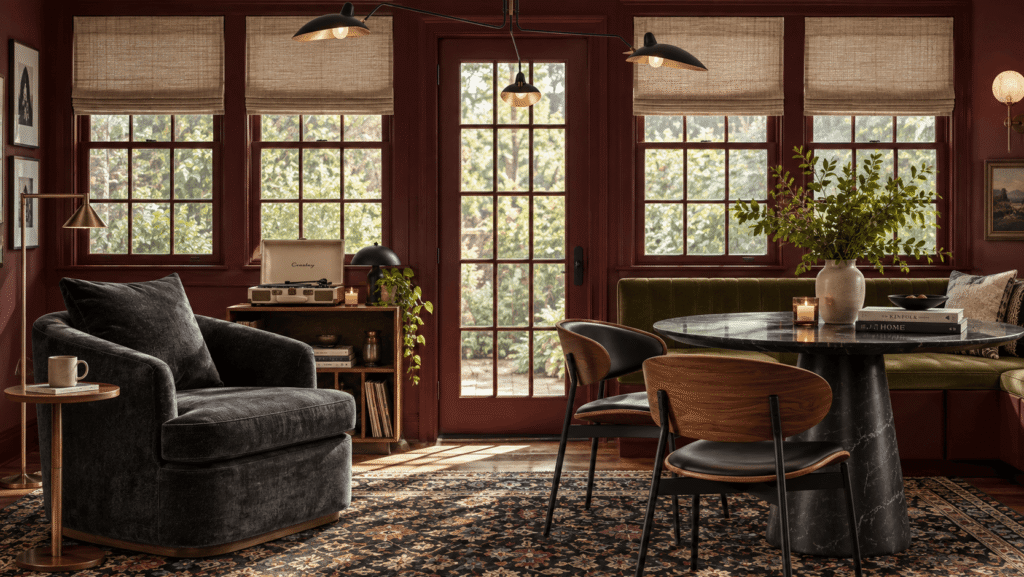
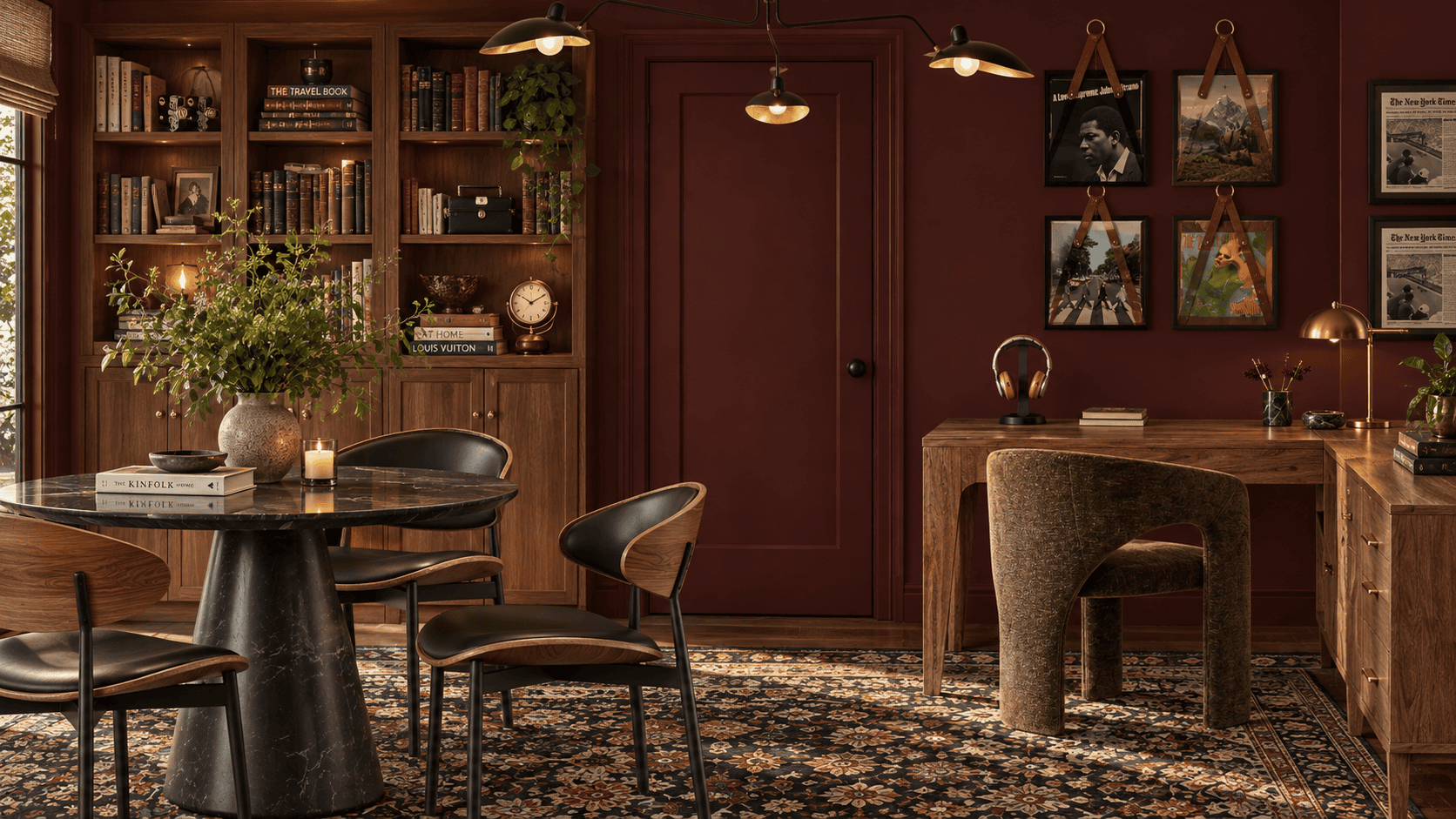
At Studio 790, we’re currently designing what we’re calling an “analog room” for a family in Miami Shores. The idea is simple: create a space intentionally designed for things that don’t require a screen and instead, invite creativity, connection and presence. Think books. Records. Board games. Puzzles. Mahjong. Journaling. A great conversation. A cocktail with a friend. A place to sit and do absolutely nothing without a television automatically becoming the center of attention.
Analog living is showing up well beyond interior design. People are returning to physical books and paper journals. They’re picking up tactile hobbies, using film cameras, pulling out cookbooks and listening to records. There’s even something wonderfully analog about experiencing a beautiful moment without immediately reaching for our phones to photograph, post or document it.
Submitted photo
I understand the appeal because, frankly, I need more of this in my own home and life, too. I’m a business owner, a mom and a creative, and my phone is rarely far away. I can be just as guilty of answering one more email, checking one more notification or reaching for my phone without even realizing I’m doing it.
Designing this analog room for our client has made me think about what I could design differently in my own home – not because technology is bad, but because I want to be more intentional about when I use it.
That’s what I find most interesting about this movement. It isn’t really about nostalgia. It’s about attention and intention.
Our environments influence our behavior. If every sofa in a room points toward a television, we’ve designed that room to watch TV. But what happens when four comfortable chairs face each other? When physical books are within reach instead of hidden away? When a Mahjong table is ready for friends, a record player is part of the room, or a beautiful writing desk makes you want to sit down with an actual notebook?Those choices create invitations.
And you don’t need a dedicated room or a huge home to embrace the idea. An analog space could be a reading chair tucked into an unused corner, a game table in the family room or simply one area where the television isn’t the focal point. Instead of beginning with what should this room look like?, try asking: What do I want us to do here? Or perhaps the better question – what do I NOT want us to do here? Then design around the answer.
For years, luxury meant adding more technology to our homes. Maybe the next evolution of luxury is having a home that helps us put it down. Because perhaps the best rooms aren’t the ones that entertain us. They’re the ones that invite us to connect and create, not just consume.
Any content, resident submissions, guest columns, advertisements, and advertorials are not necessarily endorsed by or represent the views of Best Version Media LLC (BVM) or any municipality, homeowners associations, businesses, or organizations that this publication serves. BVM is not responsible for the reliability, suitability, or timeliness of any content submitted, inclusive of materials generated or composed through artificial intelligence (AI). All content submitted is done so at the sole discretion of the submitting party.