Tony Saylor on staff, service, and why the right number of dogs is fewer
Plenty of places will watch your dog. Far fewer will know your dog.
Arbor and Flint have been Fetch dogs for seven years—long enough for me to notice the difference without ever being sure what produced it. From the outside, it looks simple. A van comes. Dogs go. Dogs come home wrecked and happy.
Then I sit down with Tony Saylor and learn how much thinking goes into the simple part.
Tony co-owns Fetch—the kennel-free ranch on SR-248 toward Kamas—with his sister Tori and their mom, PJ. Last month I wrote about Tori, who built this place because she sees everything from the dog’s point of view. Tony’s focus is what it takes to sustain it: the staff, the systems, and the service that have upheld his sister’s standard for 12 years.
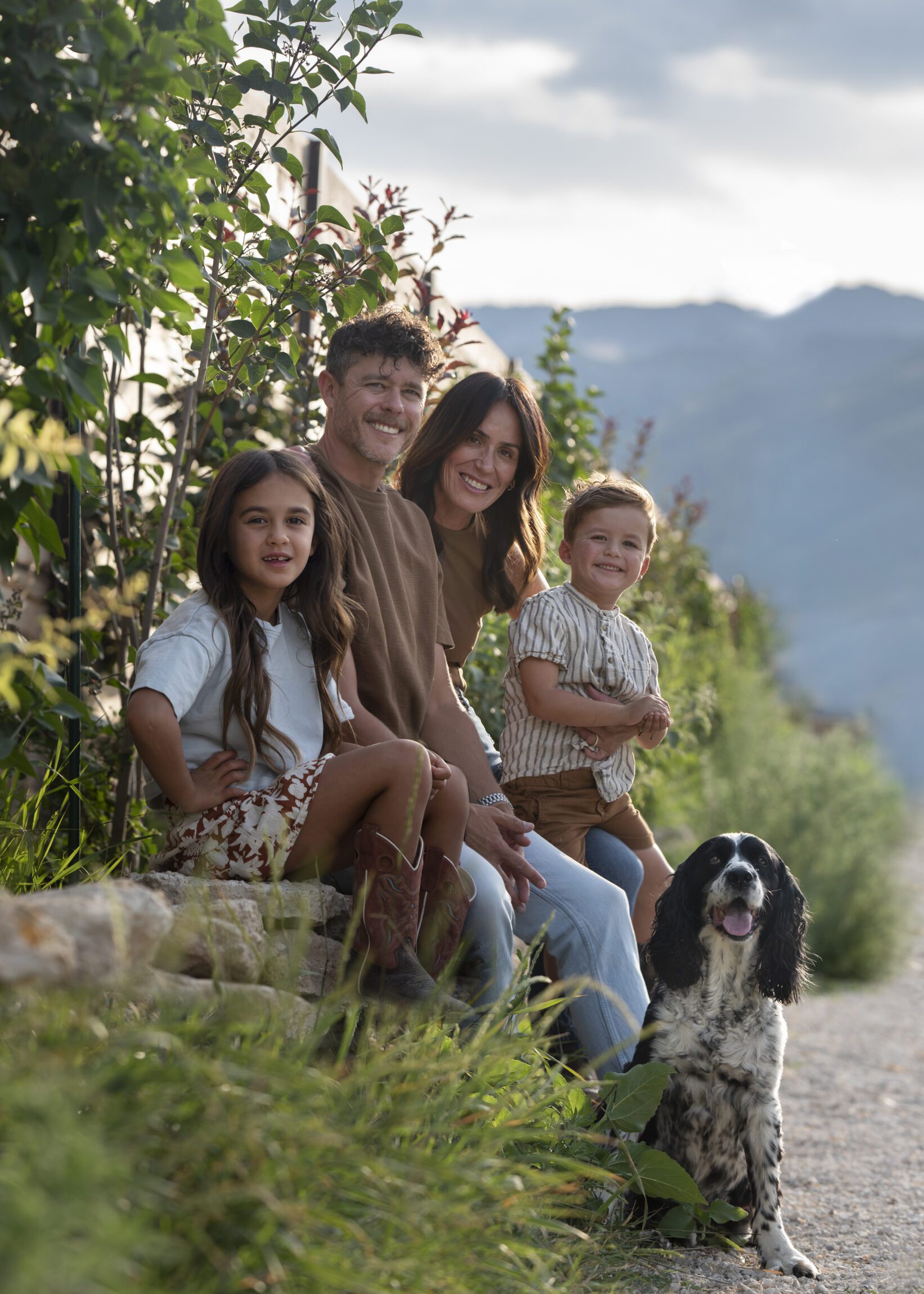
Credit: Lexie Larson – Take a Hike Photography
The pathway is through the people
Ask Tony what makes Fetch work, and he doesn’t start with the acreage. He doesn’t even start with the dogs.
“The ultimate goal is to provide fun and care and safety for the dogs,” he tells me. “But the pathway is what I focus on, and that’s through the people.”
He means both groups—the families that hand over their dogs and the staff who take them. His attention goes to the latter: better wages over time, better equipment, a workday people can sustain for years rather than months.
Which leads somewhere I didn’t expect a business owner to go.
“I have a different mentality of having fewer dogs,” he says, “because ultimately, it’s really the dogs that create the workload for the staff. The more dogs you have, the more damage you have to the operation, which creates more workload for the human being.”
In a growing market, in a town with more dogs arriving every year, the guy doing the math has concluded that the right number is fewer. Not because they can’t fill the spots, but because every additional dog adds wear on the vans, on the ground, and mostly on the people. Growth that costs you your staff isn’t growth.
Tony’s shorthand: fewer dogs, higher value, deeper trust. Set it beside his sister’s philosophy, and the two are coming at the same idea from different directions. Tori wants dogs to have room. Tony has worked out what it costs to give it to them.
Thirty minutes of “pain in the butt”
You can see it in how a dog joins Fetch. Officially, it’s a meet-and-greet. Tony’s own description is funnier and more honest about what it asks of everyone.
“We do this ‘pain in the butt’ meet-and-greet for 30 minutes, and this is why we ask all these questions, because dogs don’t speak English, and we have to earn their trust.”
Half an hour—before a dog spends a single day there. If efficiency were the only measure, it might seem like a waste of a morning.
I’ve been on the other side, and I can tell you what it feels like: relief. They aren’t guessing how your dog will do; they’re finding out. It’s also what makes room for the dogs who need more space than most, and who gradually find their footing here.
The pickle
Tony keeps steering back to service, which he calls “the cheapest way to create value.”
The idea stuck with him from a customer-service training session in the resort world: two fast-food chains, one that charged extra for a pickle and one that didn’t. The one that said yes to the small, reasonable ask won the customer’s loyalty.
At Fetch, that looks like a driver checking the client’s name before walking up, so if you open the door, it’s “Hey, Cynthia, how are you doing? Anything I can do for you today?” Sometimes it’s carrying groceries in or picking a few things up for someone recovering from surgery.
None of that appears on an invoice.
And here’s the part I appreciate Tony admitting: People who take jobs working with dogs usually aren’t doing it for the human interaction.
“A lot of the people that come in to work for dog-specific type businesses are not necessarily ‘people’ people,” he notes.
So rather than telling his staff to be charming, he builds systems that make it easier—introducing the team online so that clients recognize a face before they meet it, and training that spells out expectations instead of leaving people to guess.
The result, from where I sit: My dogs come home with stories attached. Who Arbor played with. How Flint settled. What happened at bath time.
Fewer dogs, more care
Pull the curtain back at Fetch, and there’s no slick machine behind it. A family runs the numbers on how to do all of this better. Tori advocates for the dogs who don’t fit the mold. Tony works out what it costs to keep saying yes to them, as well as how to build a workplace people don’t leave.
We don’t see most of it. Not the conversations about temperament and grouping, not the math on van repairs, not the 30 minutes someone spent asking questions about a dog nobody else would take.
Our dogs feel it. And so do we.
———-
The day they closed
A few years ago, Tony invited me to join a Fetch team day. Not being on staff gave me a useful vantage point.
They closed daycare. Boarding dogs were still there and cared for, but there were no pickups, no drop-offs, no revenue—an entire operating day handed over so that the people who work there could spend it together.
Tony had brought in a Wim Hof instructor. We spent the morning learning breathing techniques, and we later took turns climbing into large tubs of ice water for four minutes each, with everyone else gathered around cheering.
I watched the same sequence cross every face: doubt first, then the decision, then, four minutes later, surprise by what they’d managed.
The group left closer than it arrived—and noticeably calmer.
I’ve thought about that day every time Tony talks about his staff. It is easy to say you value your people. Closing the doors on a full workday and eating the cost is a different kind of statement.
Any content, resident submissions, guest columns, advertisements, and advertorials are not necessarily endorsed by or represent the views of Best Version Media LLC (BVM) or any municipality, homeowners associations, businesses, or organizations that this publication serves. BVM is not responsible for the reliability, suitability, or timeliness of any content submitted, inclusive of materials generated or composed through artificial intelligence (AI). All content submitted is done so at the sole discretion of the submitting party.