Why the quality of your olive oil matters more than you may think
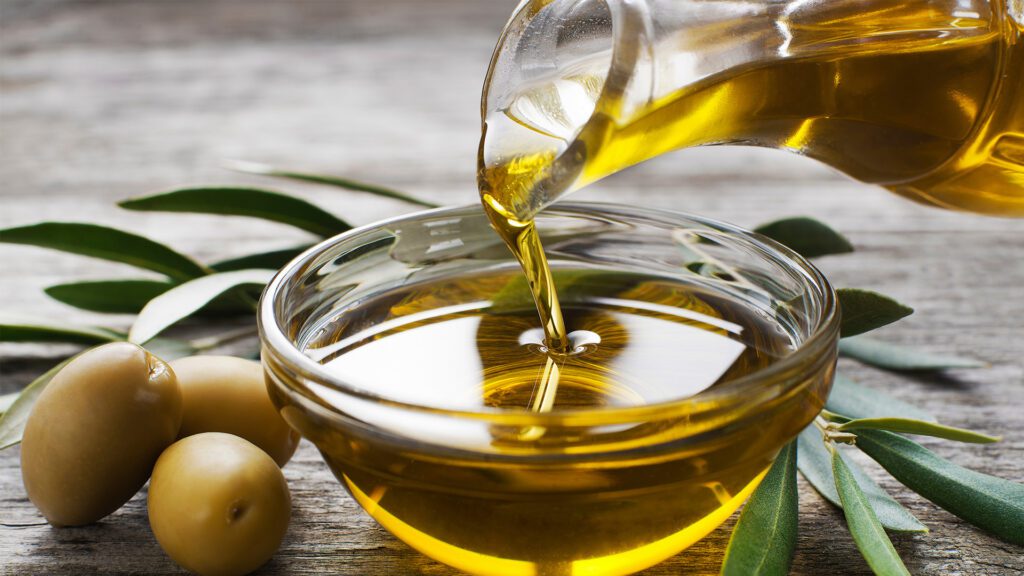
Olive oil has been at the heart of the Mediterranean diet for generations, but there is an important distinction many consumers don’t realize: not all olive oil is created equal.
The difference goes far beyond taste.
One of the most fascinating qualities of exceptional extra virgin olive oil is its naturally occurring polyphenols — plant compounds that have become an important area of scientific interest because of their antioxidant properties.
High-phenolic extra virgin olive oil is especially valued because it contains a greater concentration of these compounds than many conventional olive oils.
QUALITY BEGINS WITH THE OLIVE
Producing exceptional olive oil begins long before it reaches the bottle.
The olive variety, growing conditions, timing of the harvest, processing methods, temperature, exposure to oxygen and light, and storage all influence the quality of the finished oil.
Polyphenols can also diminish over time. This means freshness and careful handling matter tremendously.
When choosing olive oil, I encourage people to think beyond the words “extra virgin” on the label. Ask where the olives came from. Consider how the oil was produced and stored. Look for transparency about its quality and, when available, information about its phenolic content.
WHY HIGH-PHENOLIC?
The Mediterranean diet has been studied extensively for its association with cardiovascular health and longevity, and extra virgin olive oil is one of its defining foods.
But I believe there is a larger lesson here.
Health is rarely about a single dramatic decision. It is often the result of small choices repeated consistently over many years.
Choosing better ingredients is one of those choices.
A high-quality, high-phenolic extra virgin olive oil can become part of an everyday approach to eating well — drizzled over vegetables, salads, beans and grains, used in cooking, or simply enjoyed with fresh foods.
Exceptional high-phenolic oils often have a distinctive bitterness or peppery finish. Rather than being a flaw, these characteristics can accompany the naturally occurring phenolic compounds that distinguish these oils.
FOOD, SCIENCE AND LONGEVITY
For more than four decades, my professional life has centered on therapeutic apheresis and the science of health and longevity.
That work has reinforced a simple principle for me:
We should pay attention not only to how we treat disease, but also to how we live.
Nutrition is part of that conversation.
That philosophy inspired my interest in bringing forward an Organic High-Phenolic Extra Virgin Olive Oil selected with an uncompromising focus on purity, quality and phenolic richness.
It isn’t about turning olive oil into medicine.
It is about recognizing that something as ordinary as the food we put on our table every day can represent a meaningful choice about quality.
A HIGHER STANDARD
Consumers are becoming more sophisticated about what they eat. They want to know where their food comes from, how it was produced and what distinguishes an exceptional product from an ordinary one.
Olive oil should be no different.
My advice is simple: look beyond the label.
Choose freshness. Choose transparency. Choose quality. And when possible, choose an extra virgin olive oil naturally rich in polyphenols.
Because when something becomes part of your life every day, its quality matters.
DR. DOBRI KIPROV
Dr. Dobri Kiprov is the founder of Global Apheresisand has spent more than four decades working in therapeutic apheresis and longevity-focused medicine.
To learn more about Dr. Dobri Kiprov Organic High-Phenolic Extra Virgin Olive Oil, call (415) 928-1352.
Good Food Fuels Better Lives.
Any content, resident submissions, guest columns, advertisements, and advertorials are not necessarily endorsed by or represent the views of Best Version Media LLC (BVM) or any municipality, homeowners associations, businesses, or organizations that this publication serves. BVM is not responsible for the reliability, suitability, or timeliness of any content submitted, inclusive of materials generated or composed through artificial intelligence (AI). All content submitted is done so at the sole discretion of the submitting party.