There’s been a noticeable shift in the way people think about their backyards. They’re no longer simply spaces for entertaining or enjoying the summer months. More homeowners are looking at their outdoor spaces as an extension of their health and wellness routine — a place to relax, recover and intentionally slow down.
Hot tubs, saunas and cold plunges have all become increasingly popular ways to create a personal wellness space at home. And while each one offers a very different experience, they also come with their own potential health and recovery benefits.
You don’t necessarily need all three. The key is understanding what each one offers and choosing what best fits your lifestyle.
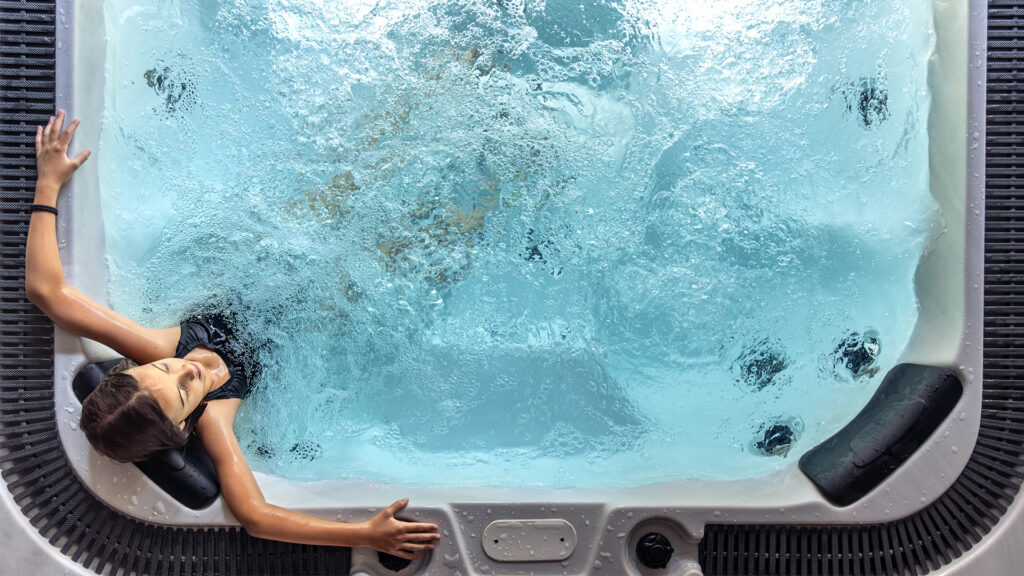
Hot Tubs: Relaxation, Recovery and Better Sleep
There’s a reason stepping into warm water feels so good after a long day.
Heat helps increase blood flow and relax tense muscles, while the buoyancy of the water reduces pressure on joints. For people who exercise regularly, have physically demanding jobs or simply deal with everyday muscle tension, a hot tub can become an easy way to incorporate recovery into a normal routine.
The benefits aren’t only physical. Warm-water immersion may also help the body shift away from that constant “fight-or-flight” feeling and into a more relaxed state. Creating even 15 quiet minutes at the end of the day can become an opportunity to disconnect from screens, reduce stress and reset.
Hot-water immersion may also support sleep. Your body naturally lowers its temperature as it prepares for sleep. Warming your body in a hot tub and then allowing it to gradually cool afterward can complement that natural process, which is why an evening soak can be such a relaxing addition to a bedtime routine.
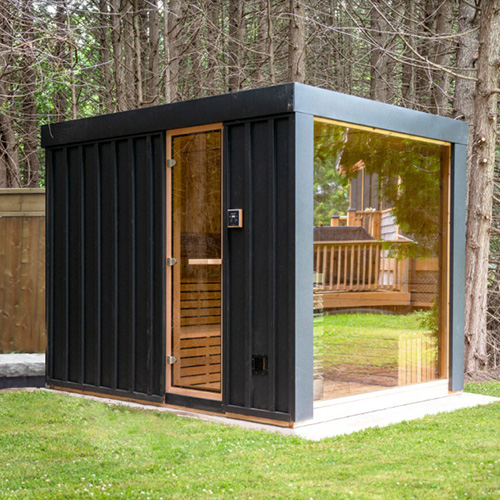
Saunas: Turn Up the Heat
Sauna use has been part of wellness traditions around the world for generations, and research continues to explore the benefits of regular heat exposure.
When you sit in a sauna, your heart rate increases, blood vessels expand and circulation increases as your body works to regulate its temperature. Research has associated regular sauna use with potential cardiovascular benefits, although sauna use should never be viewed as a replacement for exercise or other healthy lifestyle habits.
For many people, the most immediate benefit is simply how they feel afterward. Heat can help muscles relax, ease feelings of stiffness and create a calming environment where there’s very little to do except sit, breathe and slow down.
Sauna sessions may also become a valuable mental wellness ritual. In a world where we are constantly connected, having a dedicated space where you intentionally step away for even 15 or 20 minutes can be incredibly restorative.
And despite what you may occasionally hear, sweating isn’t about “detoxing” the body. Your liver and kidneys handle that job. The wellness benefits of a sauna come from heat exposure, circulation, relaxation and the routine itself.
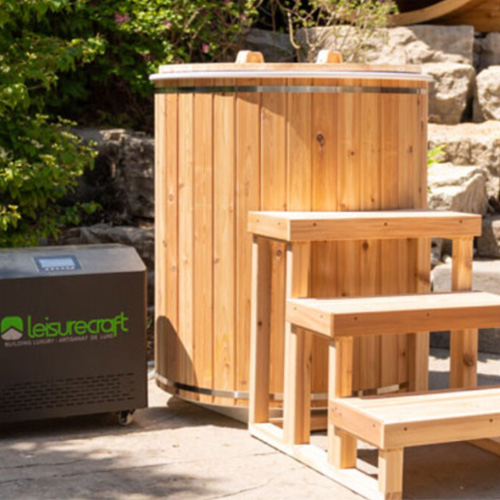
Cold Plunges: Recovery, Energy and Resilience
On the opposite end of the temperature spectrum is the cold plunge.
Cold-water immersion has become increasingly popular, particularly among athletes and people focused on recovery. One of its most established benefits is reducing post-exercise muscle soreness. Cold causes blood vessels to constrict temporarily and can help reduce swelling and soreness following intense activity.
Many people also report feeling more alert and energized following a plunge. The initial exposure to cold activates the body’s stress response, making controlled breathing an important part of the experience. Over time, some people enjoy cold plunging as much for the mental challenge as the physical benefits.
Research into additional benefits — including mood, sleep and immune function — continues to develop, so it’s important not to treat cold plunging as a cure-all. But when used appropriately, it can be an effective recovery tool and a unique addition to a wellness routine.
Bringing Heat and Cold Together
For those who want the full experience, combining a sauna or hot tub with a cold plunge creates what is often referred to as contrast therapy — alternating between heat and cold.
Beyond the physical effects, there’s something incredibly intentional about the routine: warm up, cool down, breathe, recover and repeat. Creating that experience at home turns wellness from something you have to schedule somewhere else into something available just steps outside your door.
The most important thing is that your wellness space works for you.
Maybe that means a hot tub where you unwind every evening. Maybe it’s a sauna after a workout. Maybe you love the challenge of beginning your morning with a cold plunge. Or perhaps your dream backyard includes all three.
At Leamington Pool & Spa, we’re seeing more homeowners think beyond simply creating a beautiful backyard. They want spaces that encourage them to slow down, take care of themselves and spend more time at home.
And that may be one of the greatest benefits of all: creating a space that makes taking care of yourself feel like something you actually look forward to.
As with any heat- or cold-based wellness practice, individual health conditions matter. Those who are pregnant or have cardiovascular conditions, blood pressure concerns, circulation issues or other medical conditions should speak with their healthcare provider before beginning a hot tub, sauna or cold-plunge routine.
Any content, resident submissions, guest columns, advertisements, and advertorials are not necessarily endorsed by or represent the views of Best Version Media LLC (BVM) or any municipality, homeowners associations, businesses, or organizations that this publication serves. BVM is not responsible for the reliability, suitability, or timeliness of any content submitted, inclusive of materials generated or composed through artificial intelligence (AI). All content submitted is done so at the sole discretion of the submitting party.