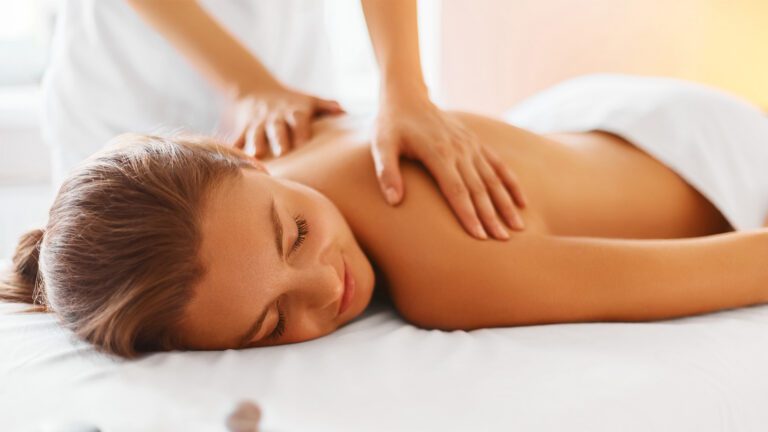
Massage is often treated as a luxury, but many people use it as one part of a broader wellness routine. Research suggests that massage may provide short-term relief for some kinds of pain and may help some people feel less stressed or more comfortable moving. Results vary by person and condition, so the value of a session depends on your goals, health, and experience. These first five reasons explain what massage may offer—and how to approach those possibilities with realistic expectations.
1. Massage can help your nervous system settle
Massage is more than pressure applied to a tight muscle. A calm setting, predictable touch, and a pace that feels safe may help some people shift their attention away from constant stimulation and notice where they are holding tension. Researchers continue to study how massage affects sensory and stress responses, so no single physiological result should be promised. In the room, the most important signs of a well-paced session are communication and choice: the therapist checks in, listens, and adjusts pressure to your comfort. You can request a change, take a break, or stop at any time.
- A quiet setting and time to breathe
- Pressure adjusted to your comfort
- A chance to notice tension you may overlook
2. Massage may help reduce stress
People often experience stress physically—in their breathing, posture, jaw, shoulders, or sleep. Many clients say they feel calmer or more grounded after massage, although research findings vary by condition and group studied. The appointment itself creates a useful pause: someone else has taken care of the room and the details while you rest. That can complement other stress-management practices, including movement, time outdoors, breathing exercises, or counseling. Massage is one possible support, not a replacement for mental-health care when stress or anxiety is interfering with daily life. A therapist can help tailor the session to what feels soothing rather than adding more stimulation.
- A break from screens and responsibilities
- A chance to relax your jaw and shoulders
- One support alongside other coping tools
3. Massage may ease some kinds of pain
Pain relief is one of the most studied reasons people seek massage. Reviews suggest it may help some kinds of back, neck, or shoulder pain, often in the short term. The quality of evidence varies, and massage does not diagnose or correct an underlying injury or illness. Still, temporary relief can matter if it makes a workday, walk, or night of sleep more comfortable. People with ongoing pain may also value a care option where they can communicate what feels helpful and what does not. If pain is new, severe, worsening, or comes with other concerning symptoms, check with a health-care professional instead of relying on massage alone.
- Short-term comfort may support daily activities
- Technique can be adapted for tender areas
- Seek medical advice for new or worsening pain
4. Massage can support comfortable movement
Massage does not literally lengthen muscles, but some people notice less stiffness or greater ease moving after a session. When a tight or tender area feels calmer, reaching, turning, bending, or getting comfortable after exercise may feel less difficult. The change may be temporary; massage is not a substitute for rehabilitation or medical care when those are needed. It can fit alongside movement and stretching by helping you notice how your body feels. A therapist can focus on areas that feel restricted while keeping pressure within your comfort range. You should never have to tolerate sharp pain to get a useful session.
- Turning your head or reaching may feel easier
- Positioning and pressure can be adjusted
- Massage can complement movement and rehab
5. Massage can support overall well-being
Well-being includes more than pain scores. Many clients appreciate being listened to, having control over the session, and receiving focused care. A calm environment and safe, therapeutic touch can make an appointment feel grounding. That does not mean massage will resolve loneliness, depression, or a medical condition; it means the experience can be meaningful as one part of how a person cares for themselves. Think about what matters most to you: feeling rested, having time to yourself, or leaving with a better sense of what your body needs. Personal goals help the therapist shape a session and help you decide whether it is worth repeating.
- Time set aside just for you
- A chance to feel heard and direct your care
- A self-care ritual that fits your needs
Massage will not feel the same for everyone. In Part Two, we’ll look at slowing down, seasonal spa options, safety, and how to decide what “regular” means for you.
Editorial sources
NCCIH, “Massage Therapy: What You Need To Know.” https://www.nccih.nih.gov/health/massage-therapy-what-you-need-to-know
NCCIH, “Evidence Map of Massage Therapy for Painful Conditions: Update from 2018–2023.” https://www.ncbi.nlm.nih.gov/books/NBK606151/
NCCIH, “Chronic Pain and Complementary Health Approaches: Usefulness and Safety.” https://www.nccih.nih.gov/health/chronic-pain-and-complementary-health-approaches-usefulness-and-safety
Any content, resident submissions, guest columns, advertisements, and advertorials are not necessarily endorsed by or represent the views of Best Version Media LLC (BVM) or any municipality, homeowners associations, businesses, or organizations that this publication serves. BVM is not responsible for the reliability, suitability, or timeliness of any content submitted, inclusive of materials generated or composed through artificial intelligence (AI). All content submitted is done so at the sole discretion of the submitting party.