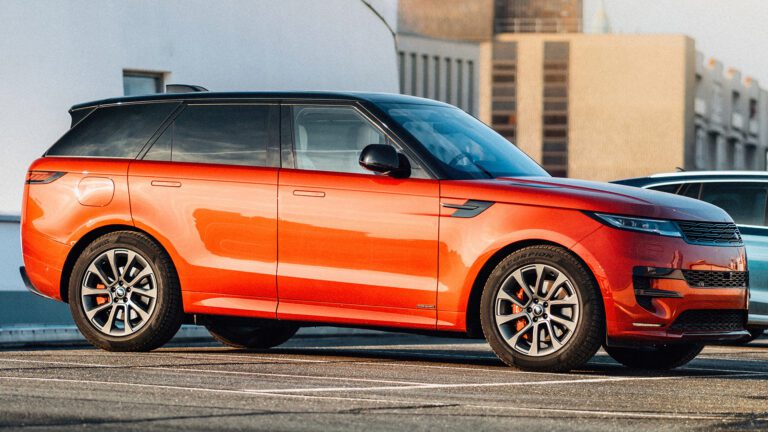
Pickup trucks and SUVs are popular with families because they provide extra passenger room, cargo capacity, towing capability and confidence in Wisconsin’s weather. However, as these vehicles become larger and more technologically advanced, drivers should consider how size can affect safety, repair costs and insurance.
Why Vehicle Size Matters to Insurance Companies
Insurance companies consider many factors when determining premiums, including a vehicle’s value, repair costs, theft rates, crash history and safety technology.
Larger trucks and SUVs may cost more to insure because they often have more expensive parts and advanced technology that requires specialized repairs. Cameras, radar sensors and driver-assistance systems may be located behind bumpers, windshields, mirrors and grilles. Even a relatively minor collision can require recalibrating these systems, adding to the repair bill.
Vehicle size alone does not determine your rate. Your driving record, location, annual mileage, deductible and specific make and model also play important roles.
A Balanced View of Safety
A larger, heavier vehicle may provide added protection to its occupants in certain crashes. However, its weight, taller front end and larger blind zones can create greater risks for pedestrians, cyclists, motorcyclists and people in smaller vehicles.
Visibility is an important consideration. A tall hood can make it difficult to see children, pets, bicycles or other objects in front of the vehicle. Front and rear cameras, blind-spot monitoring, pedestrian detection and automatic emergency braking can help, but technology does not replace attentive driving.
Bigger does not automatically mean safer. Crash-test performance, vehicle structure, airbags and driver-assistance features can be just as important as size. Before purchasing a vehicle, review its safety ratings and choose one that fits your needs and driving experience.
Review Your Insurance Before You Drive Away
Moving from a sedan to a newer truck or SUV can represent a significant increase in vehicle value. Before completing the purchase, ask your insurance advisor to estimate the premium and review your coverage.
Important areas to discuss may include liability limits, collision and comprehensive coverage, rental reimbursement, uninsured and underinsured motorist coverage, and gap coverage for a financed or leased vehicle. An umbrella policy may provide additional liability protection.
Insurance rates and coverage options vary among companies. An independent insurance agency can compare multiple insurers and help you evaluate the balance of coverage, cost and protection for your vehicle.
A larger vehicle can be a practical choice. Understanding its risks and reviewing your insurance before an accident occurs can help you make a more informed decision.
To review your auto insurance, contact Jacob K. Mihm, Insurance Advisor with Robertson Ryan Insurance, serving Plymouth and Sheboygan.
Coverage varies by policy and insurance company. Consult a licensed insurance agent about your specific needs.
Any content, resident submissions, guest columns, advertisements, and advertorials are not necessarily endorsed by or represent the views of Best Version Media LLC (BVM) or any municipality, homeowners associations, businesses, or organizations that this publication serves. BVM is not responsible for the reliability, suitability, or timeliness of any content submitted, inclusive of materials generated or composed through artificial intelligence (AI). All content submitted is done so at the sole discretion of the submitting party.