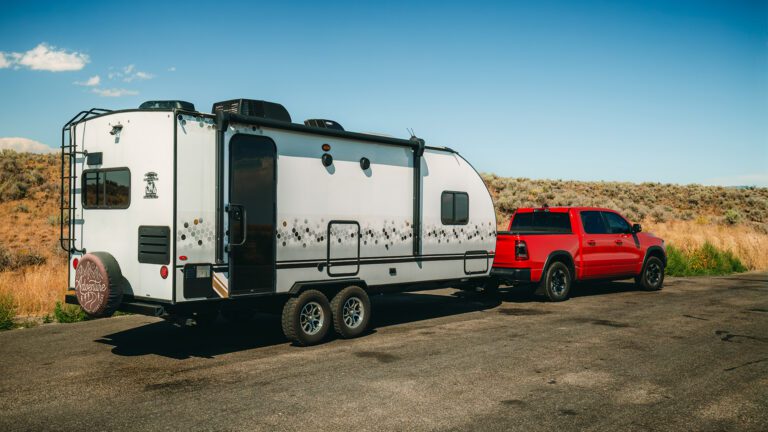
Towing is a part of life for many people in Wickenburg. You might find yourself pulling a horse trailer to a roping event or hauling equipment for a weekend project. Sometimes you are just taking a trailer out for a camping trip. When you have a trailer attached, your vehicle does more than move from one place to another. That extra weight changes how your vehicle accelerates, turns, and stops. This extra weight puts a lot of pressure on important parts of your vehicle.
Tires are one place where that extra weight matters. Each tire has a load rating that shows how much weight it can safely hold. When pulling a trailer, consider the trailer’s weight, the items inside, and how that weight is distributed. Putting too much weight on the vehicle or placing it incorrectly can change how it handles and put more pressure on the tires. Checking the vehicle and trailer’s suggested weight limits before a trip is a step people often forget.
Brakes also have to work when towing. A heavier vehicle-and-trailer combination requires more stopping power and can increase stopping distance. Trailer brakes, when present, are part of the system and must work properly with the tow vehicle. Suspension parts also take stress because they help support the extra weight and keep the vehicle steady. At the same time, wheel bearings on the trailer let the wheels turn correctly while carrying the trailer’s weight. Most drivers don’t think about these parts during a trip, but they matter when a vehicle is carrying or pulling a lot of weight.
One thing to remember about towing is that no single part of the vehicle does all the work. The tires, brakes, suspension, axles, bearings, and towing equipment all help keep a load under control. Before you head out, you should know your vehicle’s towing and payload limits. Make sure the trailer is loaded evenly. Take a moment to check that everything is ready for the road. Once you are driving, pay attention to anything that feels unusual. A new vibration, pulling feeling, strange noise, or change in braking can signal that something needs attention. Towing naturally changes how a vehicle feels and handles. That does not mean you should ignore unusual behavior. Knowing how hard each component is working helps you spot problems sooner and make safer, more informed decisions before and during a trip.
If this is something you’d like help with, contact the Wickenburg Tire Center at 928.415.0555 or stop by and see us at 1275 W Wickenburg Way.
Any content, resident submissions, guest columns, advertisements, and advertorials are not necessarily endorsed by or represent the views of Best Version Media LLC (BVM) or any municipality, homeowners associations, businesses, or organizations that this publication serves. BVM is not responsible for the reliability, suitability, or timeliness of any content submitted, inclusive of materials generated or composed through artificial intelligence (AI). All content submitted is done so at the sole discretion of the submitting party.