There is a question I have carried across nearly three decades of international fieldwork in traditional healing, ethnobotany and longevity. From the Maya Mountains of Belize, to Appalachia, to the Peruvian Andes and Amazonia, and even the forests of southern India and the highlands and bushveld of Africa: why do people who eat close to the land so rarely die of the diseases that define modern medicine? Heart disease. Autoimmune dysfunction. Chronic inflammatory illness. The healers I worked alongside in those forests didn’t have a cardiology department. They had a food supply. And they understood — intuitively, generationally — that food was their most powerful medicine. And now, for more than two decades, I have shared their timeless wisdom through my clinical practice in reversing the gamut of metabolic disease — proof of what they espouse.
Modern clinical science now agrees. The same foods that protect your immune system also protect your arteries. The same phytonutrients that modulate inflammation in the gut modulate it in the vascular endothelium — delicate, functional, reparative lining of our blood vessels. The same dietary pattern that lowers cardiovascular risk also reduces susceptibility to infection and autoimmune flare. There is no separation. Immune resilience and cardiovascular health are two expressions of the same underlying biology — and food is the master regulator of both.
That is the foundation of our Fx (Food Prescription) framework. Seven evidence-based food pillars, working together, as a unified prescription for optimal health. Here is how they apply directly to immune, gut and heart health.
The Inflammatory Root of All
Chronic, low-grade inflammation is the common driver of cardiovascular disease, immune dysregulation, autoimmunity, and most of the chronic illnesses that define modern medicine. Oxidative LDL drives plaque. Inflammatory cytokines suppress immune surveillance. A disrupted gut microbiome amplifies both. The food prescription for immune resilience is the food prescription for cardiovascular health — because inflammation is the shared target.
Your Fx Food Prescription
Fx Pillar 1 Eat Your Greens — As Many as You Can, Every Day
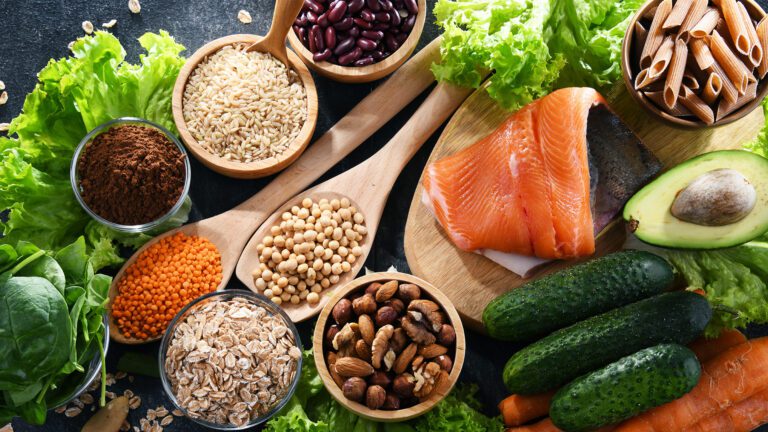
Dark leafy greens — arugula, kale, collard greens, dandelion — are the highest-leverage foods in the Fx framework. For immune health: they deliver powerful vitamins, minerals, phytochemicals and plant pigments including folate (essential for immune cell production and DNA repair), magnesium (a critical co-factor for over 300 enzymatic reactions including those governing immune signaling), and sulforaphane precursors that activate the master switch for antioxidant defense. For cardiovascular health: dietary nitrates in greens convert to nitric oxide, directly dilating blood vessels and countering endothelial dysfunction. Magnesium is vasodilatory and antihypertensive. Vitamin K in leafy greens helps direct calcium away from arterial walls and into the bones. As if all that wasn’t enough — greens are actually anti-inflammatory even. Eat greens at every meal and sometimes make them the meal!
Fx Pillar 2 Eat the Rainbow — At Least One Fruit and Two Vegetables Every Day
Color is phytonutrient density made visible. The Big 3 Berries — blueberries, blackberries, raspberries — are among the most antioxidant-rich foods on earth: anthocyanins reduce oxidized LDL and myeloperoxidase, two key cardiovascular inflammatory markers. Cruciferous vegetables (kale, broccoli, cauliflower, Brussels sprouts for example) activate sulforaphane-mediated signaling, with clinical trials documenting direct reduction in oxidative stress markers like F2-isoprostanes. Citrus and kiwi provide vitamin C and bioflavonoids essential for neutrophil and NK cell function—pure immunity. Carrots, sweet potato, and orange squash deliver beta-carotene for mucosal immune barrier integrity among other things. Beets deliver nitrates for endothelial or vascular health. The rainbow is a complete immune and cardiovascular protocol in produce form.
Fx Pillar 3 Dose with Omega-3 Fats — Every Day
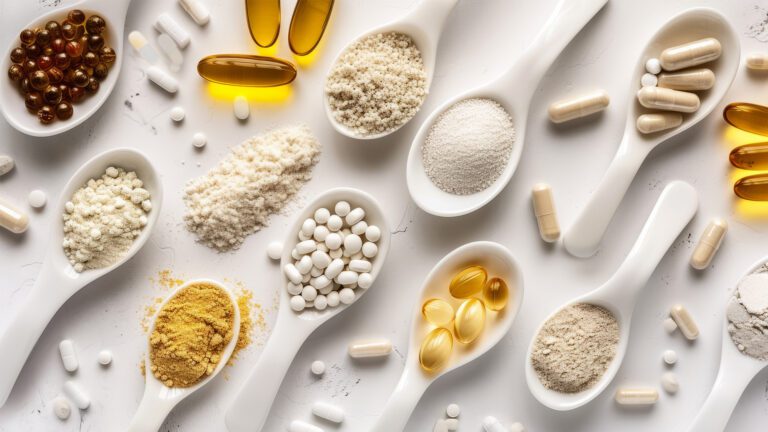
Omega-3 fatty acids are the most clinically validated anti-inflammatory dietary intervention in modern medicine. For cardiovascular health: EPA and DHA reduce triglycerides, lower lipoprotein-associated phospholipase A2 (Lp-PLA2) which drives cardiovascular disease risk, and shift the eicosanoid balance from pro-inflammatory prostaglandins toward resolution mediators. Four tablespoons of extra-virgin olive oil daily — the therapeutic dose used in the landmark PREDIMED cardiovascular trials — delivers oleocanthal, a natural inflammation inhibitor literally comparable in mechanism to ibuprofen. For immunity: omega-3s modulate T-cell signaling and reduce the cytokine storm risk that underlies severe inflammatory immune responses. My preferred food sources include: walnuts, chia seeds, flaxseeds, and hemp seeds for plant-based ALA daily. And when you fall short—supplement.
Fx Pillar 4 Pick Your Protein — Plants Over Fish, Fish Over Fowl, Fowl Over Beef
Aim for mostly plants and caloric moderation in general. The protein hierarchy is not ideology — it is cardiovascular and immunological evidence. Plant proteins (lentils, quinoa, edamame, tempeh, tofu, beans and other legumes) deliver fiber and phytonutrients alongside amino acids, feeding the microbiome that regulates both immune tone and arterial inflammation. Red meat in excess, especially in a dysbiotic gut or imbalanced microbiome, drives production of TMAO — trimethylamine N-oxide — a compound that directly injures the endothelium and is now recognized as an independent cardiovascular risk marker. Pasture-raised poultry and wild fish occupy the middle ground, delivering cleaner proteins with more anti-inflammatory fatty acid profiles. The protein on your plate literally shapes the microbial community that shapes your immunity and your arteries. Always remember when incorporating animal-based proteins that sourcing matters. Start with a healthy animal, closest to nature best (wild or pastured for example) and think minimize frequency and portions in general.
Fx Pillar 5 Chose Whole Grains — Preferably Sprouted
Refined carbohydrates are pro-inflammatory: they drive insulin resistance, small dense LDL particle formation, and glycation which is sugar stuck to proteins — all of which accelerate cardiovascular disease via inflammation. Whole grains do the opposite. Soluble beta-glucan fiber from oats and barley is fermented by gut bacteria to butyrate — the primary anti-inflammatory short-chain fatty acid that sustains the gut lining, reduces systemic inflammatory signaling, and feeds the immune cells resident in the gut lining. Sprouted grains go further: sprouting unlocks minerals, improves nutrient bioavailability, reduces sugar content and moderates the glycemic response, keeping the inflammatory cascade quiet after meals.
Fx Pillar 6 Remember Functional Foods — Herbs, Fermented Foods, and Nature’s Pharmacy
This is where our Fx framework meets the ancient healing traditions I have spent a career documenting. For example, ginger and turmeric (and relatives) — staples of traditional diets and bedrocks in traditional healing systems worldwide — are now among the most rigorously studied inflammatory pathway inhibitors in the scientific literature, directly reducing cardiovascular inflammatory markers, and modulating immune activation. Fermented foods — raw sauerkraut and pickled cucumbers, carrots, turnips and beets, kimchi, kombucha, miso — seed and sustain the gut microbiome, the immune organ and endocrine organ that governs both cardiovascular risk (via TMAO and inflammatory metabolites) and immune surveillance. Medicinal mushrooms deliver beta-glucans that prime innate immunity without over-stimulation. Dark chocolate (aim for >85% cacao) and green tea, matcha being my pick, provide health empowering compounds like theobromine, epicatechin and EGCG — alkaloids and polyphenols with documented endothelial and immunomodulatory benefit. These are not supplements. They are foods. And they are right here at the grocery store — bring them into your kitchen for addition to your daily plate!
Fx Pillar 7 Minimize Added Sugar and Sodium
While I am a fan of mineral rich sea salt incorporated into a healthful diet, as above, one would do well to avoid sodium in processed foods. Refined sugar and sodium in processed foods are accelerants of the inflammatory fire. Fructose, a type of sugar, in excess drives de novo lipogenesis or the internal production of fat, elevating triglycerides and small dense LDL, the “bad” cholesterol. Dietary refined sugar drives advanced glycation end-products (AGEs) — formed when sugars react with proteins — directly oxidize LDL and injure the vascular endothelium. Hidden sodium in processed foods drives vascular dysfunction, high blood pressure, and endothelial shear stress. Follow the first six pillars and this one resolves naturally: when your plate is full of greens, colorful produce, clean proteins, and functional foods, there is simply less room for the foods that inflame.

Your Prescription Starts Here
Every pillar of our Fx framework is represented throughout our Heinen’s Grocery Stores — and our Fx-approved signage is your guide. Every product carrying that designation has earned it against the same rigorous criteria behind this article. Our Wellness Centers and Club Fx programming bring it all together with personalized guidance from our Wellness Consultants, in-store tours, and workshops conducted by me and our broader wellness team. Please do stop by, browse, and ask every question you have about our Fx (Food Prescription) and Nx (Smart Supplementation) programs — that is exactly what we are here for. And as you begin — or deepen — this journey, check in with your physician. Ask them to go beyond the standard lipid panel with a more comprehensive inflammatory assessment: 25-OHD, hsCRP, TMAO, and oxidized LDL are some of the numbers that tell the real story. If your physician isn’t offering that level of assessment, come see us at VitalHealth Partners — it is precisely what we do, through our VitalHealth Optimization Panel and then some. Because the most empowering thing about food as medicine is that it is measurable. You can watch it work. All you have to do is ask!
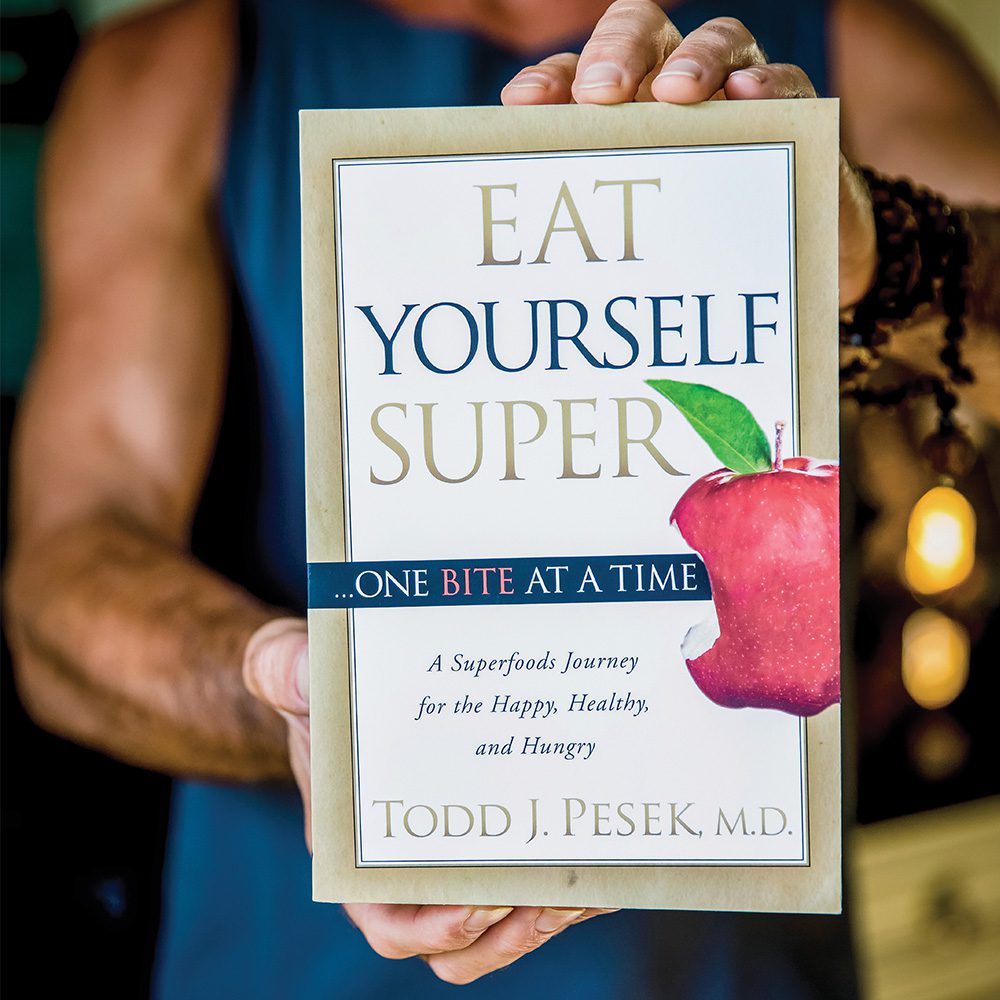
For more information like this, check out my book Eat Yourself Super available at all the usual places and come see me present at Heinen’s or in the community with the next two events being:
Oct 13, 6-7p, Willoughby Hills Library Community Center; and, Oct 28, 6-7p, Bay Village Library. For full speaking and podcast tour follow along at ToddPesekMD.com.
Any content, resident submissions, guest columns, advertisements, and advertorials are not necessarily endorsed by or represent the views of Best Version Media LLC (BVM) or any municipality, homeowners associations, businesses, or organizations that this publication serves. BVM is not responsible for the reliability, suitability, or timeliness of any content submitted, inclusive of materials generated or composed through artificial intelligence (AI). All content submitted is done so at the sole discretion of the submitting party.