Fall is the ideal time for Westport homeowners to take a close look at their masonry before winter arrives. Connecticut’s repeated freeze-thaw cycles can turn small cracks, loose joints, and drainage problems into much larger repairs. Water enters masonry, freezes and expands, and can gradually cause cracking, spalling, and mortar deterioration.
1. Inspect brick and stone for cracks
Walk around your home and look closely at:
- Cracked or displaced bricks
- Cracks in stone walls or veneer
- Flaking or “spalling” brick faces
- Gaps around windows and doors
- Cracks that run through several masonry units
Even a small opening can allow water to penetrate and freeze during the winter.
2. Check your mortar joints
Look for crumbling, missing, recessed, or cracked mortar. Deteriorated joints allow additional moisture into the wall and can become significantly worse through repeated freezing and thawing.
Repointing damaged joints in the fall can help prevent a minor maintenance issue from becoming a larger structural repair.
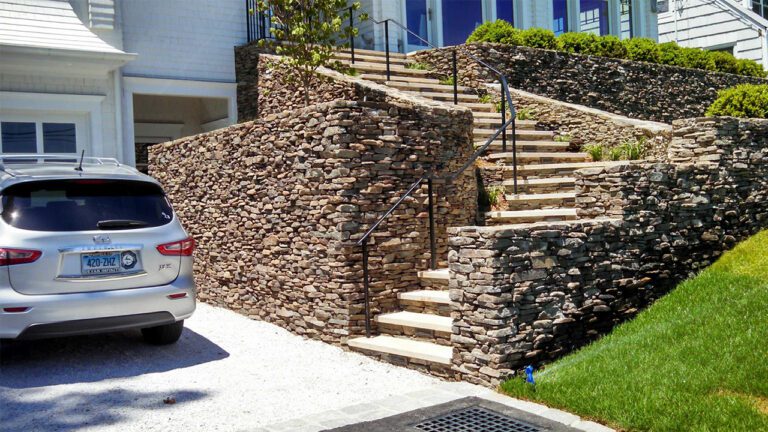
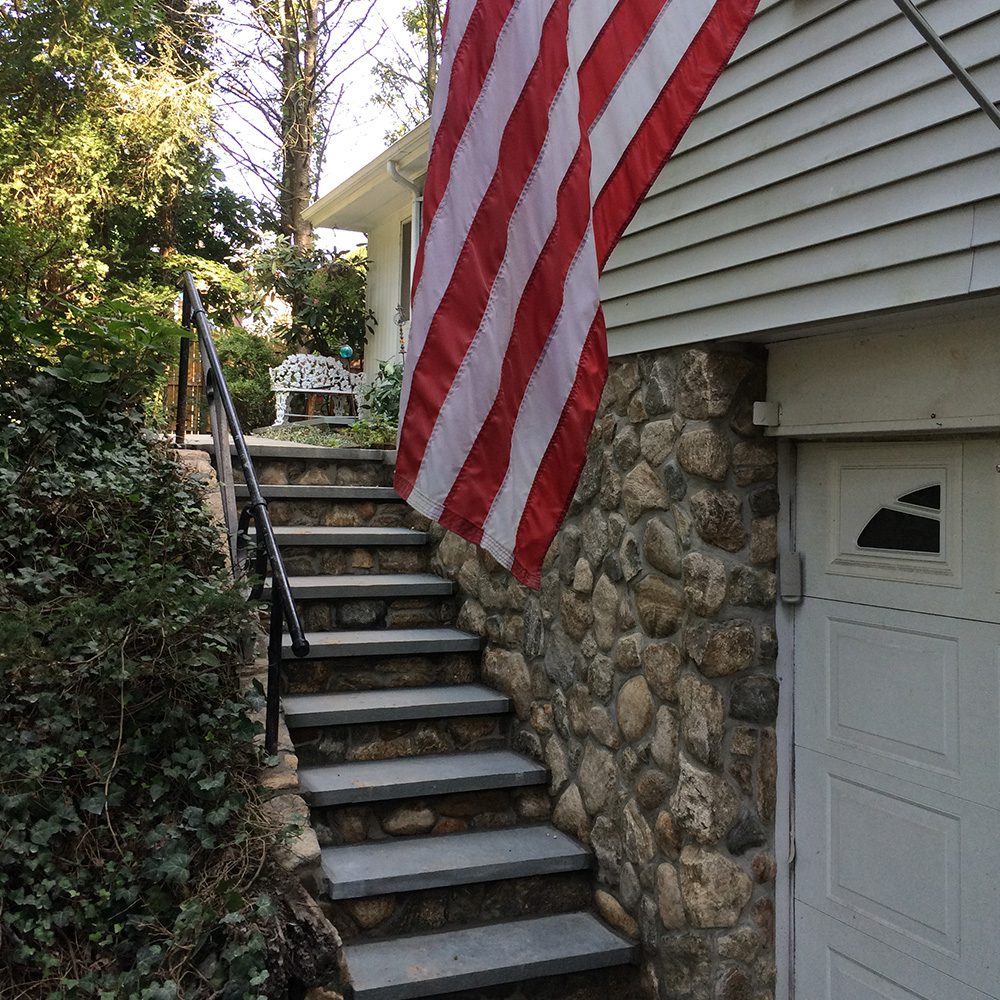
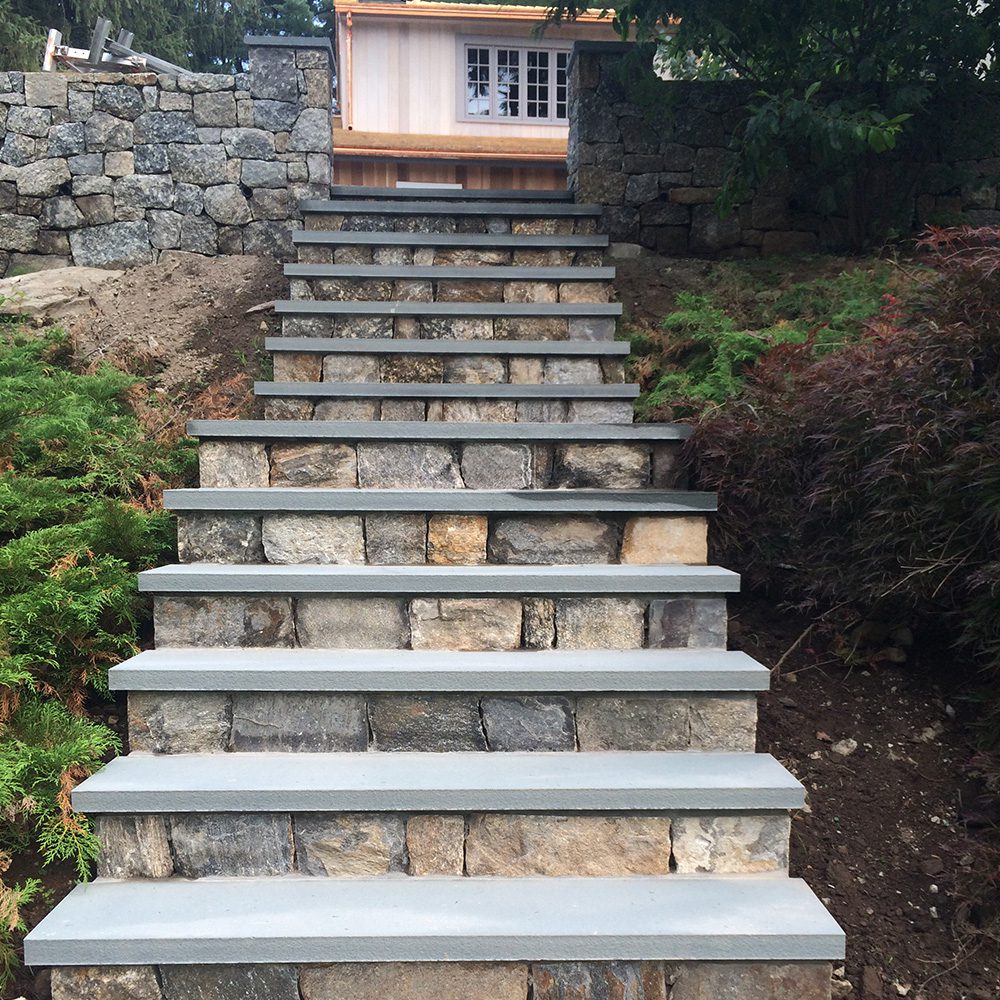
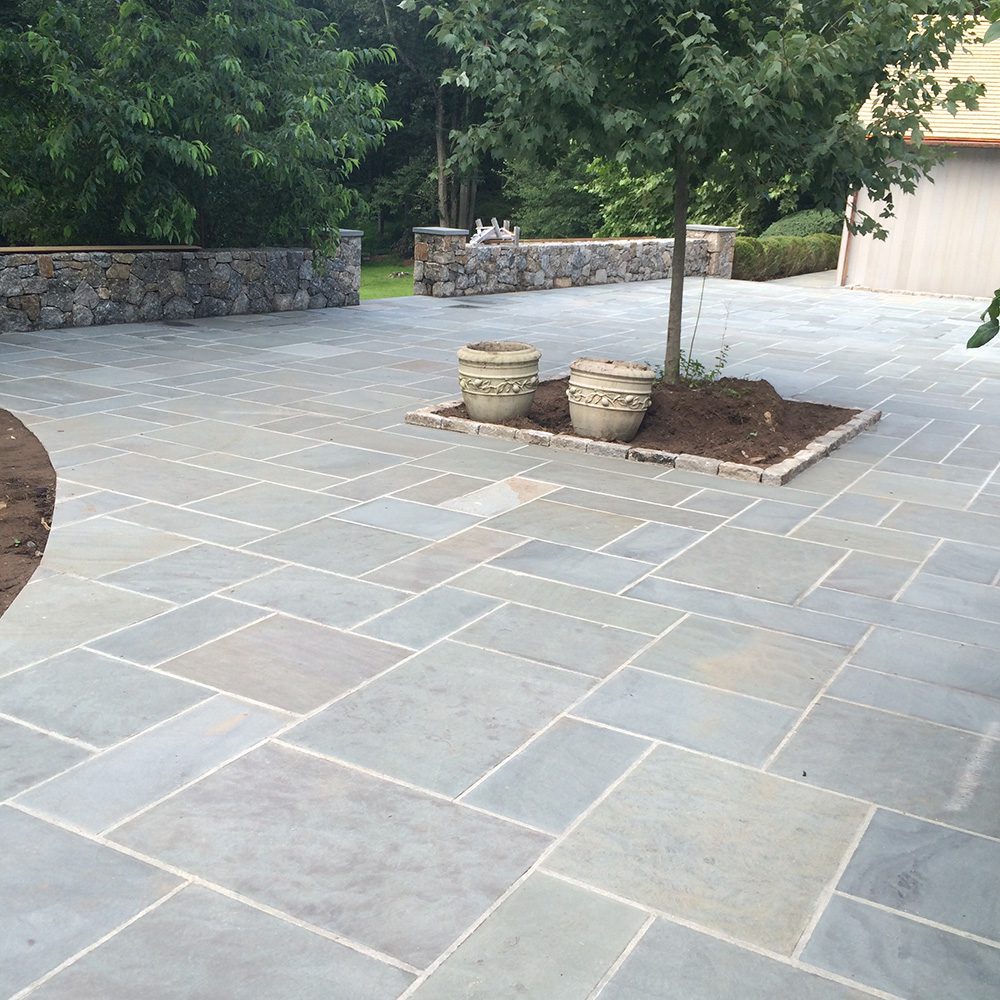
3. Examine patios, walkways, and steps
Your outdoor masonry deserves attention too. Check for:
- Loose or rocking pavers
- Cracked concrete
- Settled or uneven steps
- Open joints
- Areas where water pools
- Separation between steps, walkways and the house
Poor drainage combined with freezing temperatures can accelerate movement and deterioration.
4. Don’t overlook retaining walls
Check retaining walls for bulging, leaning, cracked joints, or blocked drainage/weep holes. Water pressure behind a wall can become especially problematic when temperatures fluctuate. Proper drainage is one of the most important defenses against masonry deterioration.

5. Look at your chimney and masonry caps
Chimneys are exposed to rain, snow, ice, and temperature swings all winter. Inspect the crown/cap, mortar joints, and brickwork for cracks, deterioration, or signs of water intrusion.
White staining, or efflorescence, can also be an indication that moisture is moving through the masonry.
6. Make sure water is being directed away
Before winter, check gutters, downspouts, drainage areas, and flashing. A masonry problem is often a water-management problem first. Connecticut preservation guidance specifically recommends addressing sources of water intrusion and keeping gutters and flashing functioning properly.
7. Schedule repairs before temperatures drop
Masonry repairs involving mortar need appropriate temperatures and curing conditions. Connecticut specifications generally require special procedures when temperatures fall below about 40°F, making fall a much better window for many repointing and masonry repairs.
Westport homeowners: before the first freeze, take a walk around your property and ask yourself—where can water get in? That’s often where winter damage begins.
The bottom line: Don’t wait until spring to discover that a small masonry problem became a major one. A fall inspection can identify cracks, failing mortar, drainage issues, and loose masonry while repairs are still relatively straightforward.
Any content, resident submissions, guest columns, advertisements, and advertorials are not necessarily endorsed by or represent the views of Best Version Media LLC (BVM) or any municipality, homeowners associations, businesses, or organizations that this publication serves. BVM is not responsible for the reliability, suitability, or timeliness of any content submitted, inclusive of materials generated or composed through artificial intelligence (AI). All content submitted is done so at the sole discretion of the submitting party.