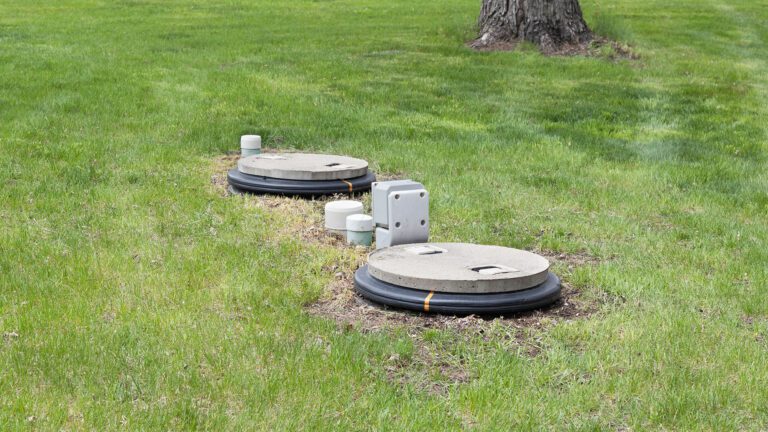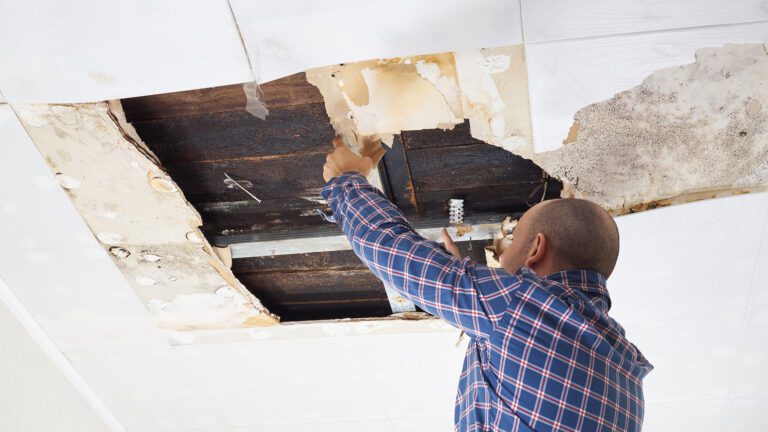
A septic tank is thought of as a box buried in the yard, quiet and out of sight. Inside, it is anything but inert. A healthy tank is a working ecosystem, dense with bacteria, enzymes, and other microscopic life that turn household wastewater into something the soil can finish. Without that living community, solids pile up, odors rise, and the drain field clogs. With it, the tank does the slow, steady work it was built for.
Waste enters the tank and separates. Heavier solids sink and form sludge. Fats and lighter material float as scum. Between those layers sits a liquid zone where most of the biological work happens. Anaerobic bacteria, organisms that thrive without oxygen, feed on organic matter in the sludge and in the water. They break complex waste into simpler compounds, gases, and a clearer effluent that eventually leaves for the drain field. Other microbes continue the process there, in the soil. The tank is not a storage pit. It is a digester, and digestion is a biological act.
That community is surprisingly resilient, but it is not invincible. Antibacterial cleaners, bleach, and large doses of medication can thin the population. A long vacation starves it. A sudden surge of guests overloads it. When the bacterial count drops, digestion lags. Sludge builds faster than the tank was designed to handle; scum thickens. The result is a weakened workforce.
That is why regular addition of bio-organisms matters. They are a supplement. Introduced on a schedule that replenish strains that everyday chemicals and heavy use knock back. Enzymes help break fats and proteins into forms bacteria can consume. The added organisms colonize the sludge layer and the liquid zone, keeping digestion active.
Consistency is the point. A single dose after a problem appears less useful than a steady habit. Many households add a measured amount monthly, or after events that stress the system, such as a large gathering, a round of antibiotics, or heavy use of disinfectants. The goal is to keep the living population ahead of the waste load. A maintained colony digests more completely, slows sludge accumulation, and sends cleaner effluent to the leech field. That protects the most expensive part of the system, the soil absorption area. Which fails when it is asked to filter material the tank should have already broken down.
Care of the organisms is simple and practical. Limit bleach and antibacterial products. Do not flush wipes ever. Spread laundry loads across the week so the tank isn’t shocked with a single flood of detergent. Add the bio-culture as directed and give it time. Bacteria does not work on a weekend schedule. They work continuously, in the dark, as long as the conditions allow.
A septic tank that is alive is a tank that is doing its job. The organisms inside it are small, but the system depends on them. Feeding that community on a regular basis is one of the cheapest ways to keep the whole arrangement working.
Any content, resident submissions, guest columns, advertisements, and advertorials are not necessarily endorsed by or represent the views of Best Version Media LLC (BVM) or any municipality, homeowners associations, businesses, or organizations that this publication serves. BVM is not responsible for the reliability, suitability, or timeliness of any content submitted, inclusive of materials generated or composed through artificial intelligence (AI). All content submitted is done so at the sole discretion of the submitting party.