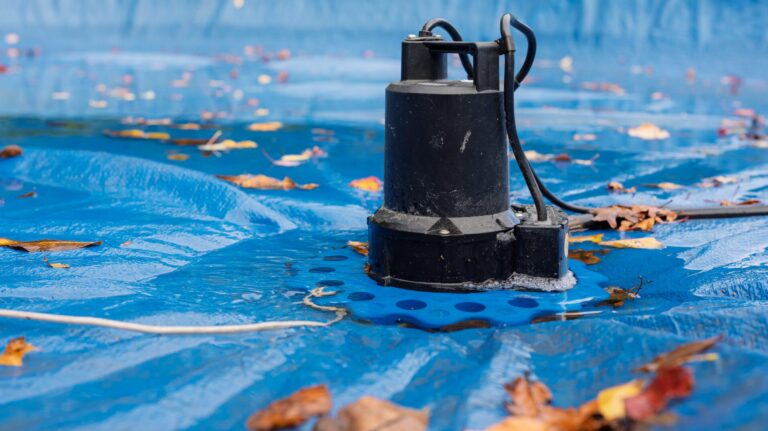
Haven’t closed your pool yet? In Georgia, keeping it open through winter can mean cleaner water, fewer spring surprises, and an attractive backyard year-round. Our mild stretches make it a practical option—as long as you continue routine care and prepare for freezing weather.
Why keeping it open makes sense
Warm pool water can support algae well into fall. Covering the pool and stopping normal circulation and sanitation too early can leave chlorine depleted and algae thriving. Keeping it operational lets you remove leaves, maintain sanitizer, balance the water, and catch problems before they become costly.
As water cools, chlorine demand generally drops. Cleaning needs and normal pump schedules may also decrease, depending on your pool’s conditions. Winter maintenance can ease the transition into spring and help avoid a major algae cleanup. Electricity, chemicals, and service still cost money, so the most economical choice depends on your pool.
Prepare before the first freeze
Have a pool professional check your pump, valves, water level, and freeze-protection settings. Confirm that every vulnerable circuit is protected, including spa plumbing, water features, and separate pumps. Running the main pool pump may not circulate water through every line.
Keep water at the proper operating level and clear skimmer and pump baskets to maintain reliable flow. Continue testing and balancing the water. Salt chlorinators commonly reduce or stop chlorine production in cold water. Follow your model’s water-temperature limits and shutdown instructions, and supplement with chlorine as needed. Cold air alone does not determine the cutoff.
Take extended freezes seriously
For brief freezes, properly configured automation can start circulation before freezing conditions develop. Without automation, run the necessary pumps continuously throughout freezing weather, following equipment guidance. Check actual water flow; a running motor does not guarantee circulation.
Moving water reduces freeze risk but cannot guarantee protection during prolonged or severe cold. A pool cover does not protect exposed equipment or plumbing. If several days below freezing are forecast, contact your pool professional early. Partial or full winterization may be the safer option.
Plan for a power outage
Freeze protection needs electricity. Before winter, obtain equipment-specific emergency draining instructions and identify the correct breakers and drain plugs. If power fails during freezing weather, safely shut off equipment breakers and follow that plan promptly. Draining equipment may not protect every pipe. Never open a pressurized filter or restart frozen equipment; have the system inspected first.
An open pool still needs winter care. With regular maintenance and a clear freeze-response plan, you can enjoy the view now and face fewer surprises in spring. A pool professional can handle the details and help keep your pool ready when swimming weather returns.
Any content, resident submissions, guest columns, advertisements, and advertorials are not necessarily endorsed by or represent the views of Best Version Media LLC (BVM) or any municipality, homeowners associations, businesses, or organizations that this publication serves. BVM is not responsible for the reliability, suitability, or timeliness of any content submitted, inclusive of materials generated or composed through artificial intelligence (AI). All content submitted is done so at the sole discretion of the submitting party.