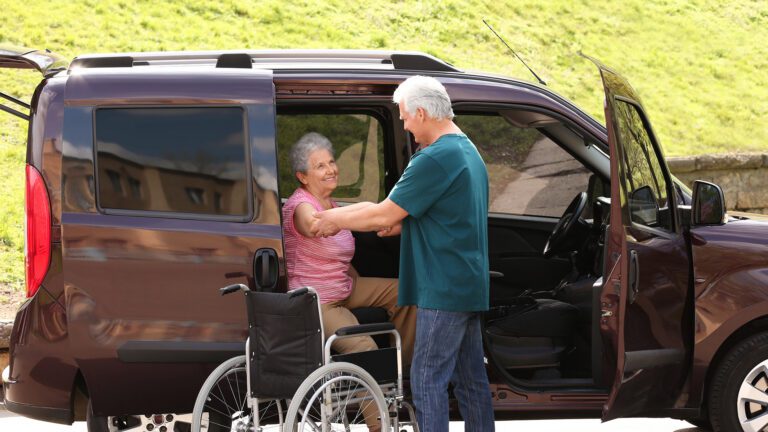
Reliable transportation is more than simply getting from one location to another. For seniors, wheelchair users, individuals with autism, dementia and people with other special needs, transportation can be an essential part of maintaining independence, accessing healthcare, participating in the community, and staying connected with family and friends.
As the need for accessible transportation continues to grow, specialized transportation providers play an important role in creating safe, comfortable, and dignified travel experiences for passengers who may require additional assistance.
Older adults may experience changes in mobility, balance, vision, strength, or endurance that make conventional transportation difficult or unsafe. Some seniors use wheelchairs, walkers, scooters, or other mobility aids, while others may simply need additional time and assistance when entering or exiting a vehicle.
Professional senior transportation should be designed around these individual needs. Accessible vehicles equipped with wheelchair ramps or lifts can allow passengers to travel without unnecessarily transferring from their wheelchair. Proper wheelchair securement is also an important component of safe transportation.
Our drivers take the time to understand each passenger’s mobility requirements and preferred level of assistance. A respectful approach can help seniors or people with special needs maintain independence while giving families greater confidence that their loved ones are receiving appropriate transportation support.
Individuals with dementia or autism may have transportation needs that differ from those of passengers with physical disabilities. Some individuals may be sensitive to loud sounds, unfamiliar environments, sudden changes, crowded spaces, or unexpected delays.
A professional educated transportation service such as J-Mark Services can help reduce these challenges by providing a predictable and supportive travel experience.
Helpful practices may include:
- Using calm, respectful communication.
- Explaining what will happen before and during the trip.
- Maintaining consistent pickup and drop-off procedures whenever possible.
- Allowing additional time for boarding and exiting.
- Minimizing unnecessary noise and distractions.
- Following established routines and passenger preferences when practical.
- Communicating with parents, caregivers, or authorized representatives when appropriate.
- Treating every passenger as an individual rather than making assumptions about their abilities or needs.
The goal is not to treat autism or dementia as a transportation barrier, but to recognize that some passengers benefit from a transportation environment designed around predictability, patience, and individualized support.
mark@j-mark.community | (715) 853-7248
Any content, resident submissions, guest columns, advertisements, and advertorials are not necessarily endorsed by or represent the views of Best Version Media LLC (BVM) or any municipality, homeowners associations, businesses, or organizations that this publication serves. BVM is not responsible for the reliability, suitability, or timeliness of any content submitted, inclusive of materials generated or composed through artificial intelligence (AI). All content submitted is done so at the sole discretion of the submitting party.