When most people hear the word “recovery,” they picture an athlete after a hard workout. But recovery isn’t just for athletes.
As firefighters and paramedics, we’ve learned that you don’t have to run a marathon to run your body into the ground.
Work. Kids. Stress. Travel. Poor sleep. Yard work. Pickleball. A tough workout. Or just one of those weeks where you’re somehow surviving on caffeine and determination.
Your body keeps score.
Here are five signs it may be asking you to slow down and recover:
- You’re tired even after sleeping.
Sleep matters, but so do hydration, nutrition, stress and how much you’re asking of your body every day. If you constantly feel depleted, simply pushing harder isn’t always the answer. - You’re staying sore longer than usual.
Some soreness after activity is normal. But when your body feels like it’s taking forever to bounce back, it may be time to prioritize recovery between workouts and busy days. - You feel stiff before you’ve even done anything.
If getting out of bed feels like its own workout, movement, hydration and recovery practices can become just as important as exercise itself. - Your normal routine suddenly feels harder.
The workout you normally handle feels brutal. You’re dragging through the afternoon. Your body feels heavy. Sometimes that’s your body’s way of asking for recovery, not more intensity. - You haven’t intentionally recovered in… you can’t remember how long.
We’re great at scheduling workouts, meetings, practices and everyone else’s appointments. Recovery usually gets whatever time is left.
Here’s the thing: recovery doesn’t have to mean lying on the couch all weekend.
It can mean drinking enough water, getting quality sleep, eating well, taking an active recovery day, stretching, spending time outside or using recovery tools that fit your lifestyle.
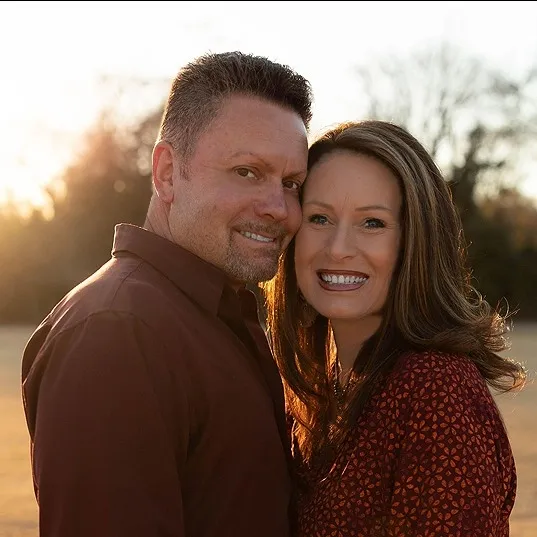
We created Station Aid after years of working in emergency services and seeing what happens when people spend all their energy taking care of everything and everyone else.
You don’t have to wait until you’re completely depleted to take care of yourself.
Recovery isn’t a reward for doing enough. It’s part of being ready for what’s next.
Any content, resident submissions, guest columns, advertisements, and advertorials are not necessarily endorsed by or represent the views of Best Version Media LLC (BVM) or any municipality, homeowners associations, businesses, or organizations that this publication serves. BVM is not responsible for the reliability, suitability, or timeliness of any content submitted, inclusive of materials generated or composed through artificial intelligence (AI). All content submitted is done so at the sole discretion of the submitting party.