Walk through almost any home, and you are likely to find a few small projects waiting for attention. A loose doorknob, cracked caulk around a tub, a slow drip under the sink, peeling paint near a window, or a door that no longer closes properly may not seem like a major concern. When life is busy, these are exactly the kinds of repairs that are easy to put off.
But how long should a small repair wait?
In my experience, many of the most expensive home problems do not begin as emergencies. They begin as minor warning signs. A little moisture around a window can eventually damage trim and drywall. A small plumbing leak can affect flooring, cabinets, or the ceiling below it. A loose railing can become a safety issue. What looks like a cosmetic problem today may be telling you that something more important needs attention.
That does not mean homeowners need to worry about every scratch, squeak, or imperfection. A home is meant to be lived in, and normal wear is part of homeownership. The goal is to understand which issues can wait and which ones are worth addressing now.
One of the first things I encourage homeowners to consider is whether the problem involves water, safety, or continued deterioration. Water has a way of traveling beyond the place where you first notice it, which is why leaks, failed caulk, damaged exterior trim, and drainage issues should be taken seriously. Safety concerns such as loose steps, unstable railings, damaged outlets, or doors that do not lock properly should also move to the top of the list.
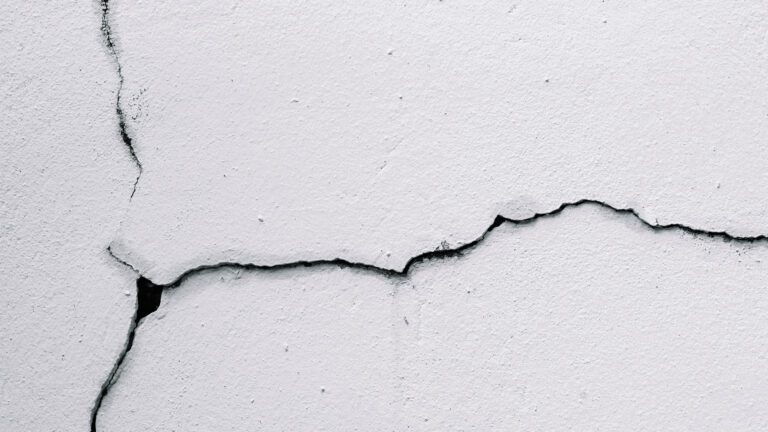
You should also pay attention to problems that are getting worse. A small crack that has not changed in years may be very different from one that is growing. A sticky door may simply be affected by seasonal humidity, or it may be a sign that something has shifted. Looking at the condition of the home as a whole can help you make a better decision than focusing on one symptom by itself.
Knowing What to Prioritize
It is easy to become overwhelmed when several projects start adding up. Homeowners often feel as though everything needs to be completed at once, but that is rarely the case. A better approach is to organize repairs by urgency, impact, and effort.
Start with anything that protects the home from water or improves safety. Next, consider repairs that will prevent additional damage or make your home function better. After those items are handled, you can turn your attention to the smaller improvements that make the space feel cleaner, more comfortable, and more finished.
Some of the most noticeable updates are also relatively simple. Fresh caulk, repaired drywall, adjusted cabinet doors, replaced hardware, touched-up trim, and properly functioning doors can make a home feel much better cared for. These may not be large remodeling projects, but together they can have a meaningful impact on how the home looks and feels.
Planning also gives you the chance to combine related projects. If a wall needs repair, it may make sense to handle the painting at the same time. If exterior trim is being fixed, it is worth checking nearby areas for water damage or failed sealant. Taking a broader look can save time and help prevent the same problem from returning.
Deciding What to Handle Yourself
Many homeowners are comfortable taking care of basic maintenance and small repairs. Others would rather spend their limited free time with family, at work, or simply enjoying their home. There is no single right approach.
The important thing is to be realistic about your time, tools, experience, and interest. A project that looks simple online can become frustrating once you are halfway through it and discover that you need a different tool, another trip to the store, or more time than you expected. It is also important to recognize when a repair involves plumbing, electrical work, structural concerns, or another issue that may require specialized experience.
Our philosophy at Fix-It Buddy is simple: we want you to handle what you can, and we will be here for what you do not want to do.
A well-maintained home is not the result of completing everything at once. It comes from paying attention, making thoughtful decisions, and taking care of small issues before they become larger ones. A little planning today can help protect your investment, reduce future stress, and give you more confidence about the condition of your home.
To help homeowners get started, we created The Home Value Boost Guide. It is a free, practical resource designed to help you spot small issues, prioritize improvements, make updates with an immediate impact, and decide what to handle now and what can wait.
Get your free copy here: https://fix-itbuddy.com/free-guide/
Whether you enjoy tackling projects yourself or would rather have someone else take care of the list, the best place to start is with a plan. Handle what you can, keep an eye on the things that matter most, and ask for help when you need it. Those small decisions can make a lasting difference in the comfort, condition, and value of your home.
Any content, resident submissions, guest columns, advertisements, and advertorials are not necessarily endorsed by or represent the views of Best Version Media LLC (BVM) or any municipality, homeowners associations, businesses, or organizations that this publication serves. BVM is not responsible for the reliability, suitability, or timeliness of any content submitted, inclusive of materials generated or composed through artificial intelligence (AI). All content submitted is done so at the sole discretion of the submitting party.