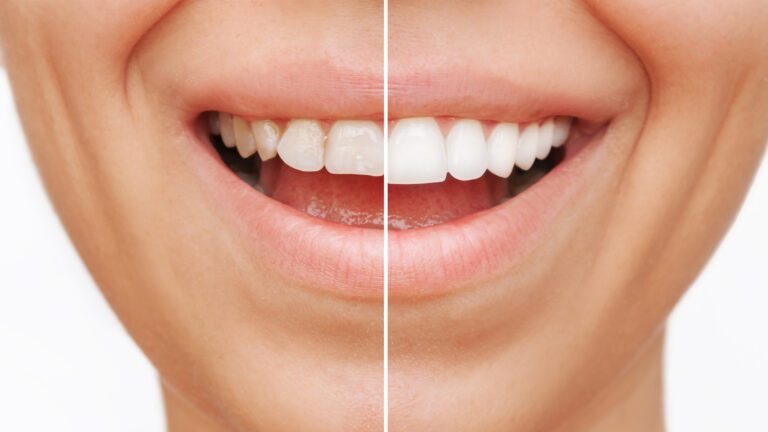
The new luxury in cosmetic dentistry? Looking like you didn’t have anything done.
Veneers are thin, custom-made shells, most commonly crafted from porcelain, that are bonded to the front of the teeth to change their shape, color, size, or overall appearance. They can be used to address everything from worn or chipped teeth to discoloration, spacing, and uneven proportions.
But veneers themselves aren’t really the interesting part.
It’s what we’re asking them to look like now.
For years, cosmetic dentistry was about more: whiter, straighter, bigger, more symmetrical. You could spot a “Hollywood smile” from across the room. Today, patients are asking for something different. “I want veneers. I just don’t want anyone to know I have veneers.” And that may be the biggest shift happening in cosmetic dentistry.
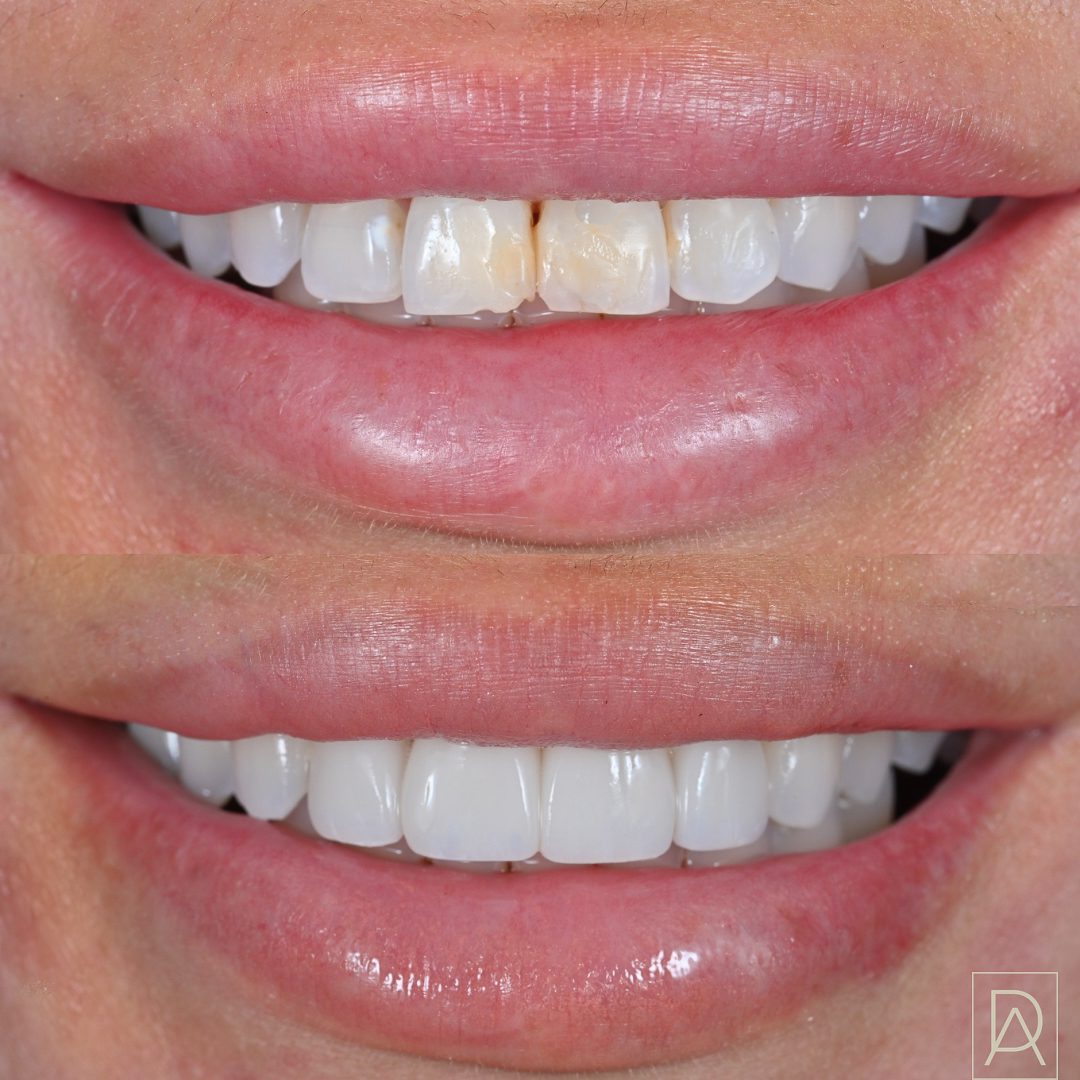
Submitted photo
The “Undetectable” Smile
Natural enamel isn’t one flat shade of white. Teeth aren’t perfectly identical. They have texture, translucency, subtle variations in shape, and small imperfections that make them believable.
Modern cosmetic dentistry is increasingly about preserving those details rather than erasing them.
When designing a smile, we look beyond the teeth themselves—at the face, lips, gums, proportions, and even how the teeth appear when someone speaks and smiles.
The goal isn’t perfection. It’s believability.
Sometimes the Best Veneer Is No Veneer
Here’s something you might not expect to hear from a cosmetic dentist:
Not everyone needs veneers.
If the concern is primarily color, professional whitening may be enough. If it’s tooth position, orthodontics might make more sense. A small chip or irregularity may be improved conservatively with bonding.
Veneers become especially useful when we want to address several concerns—such as color, shape, wear, spacing, or proportions—at the same time.
Good cosmetic dentistry isn’t about doing more. It’s knowing exactly how much to do.
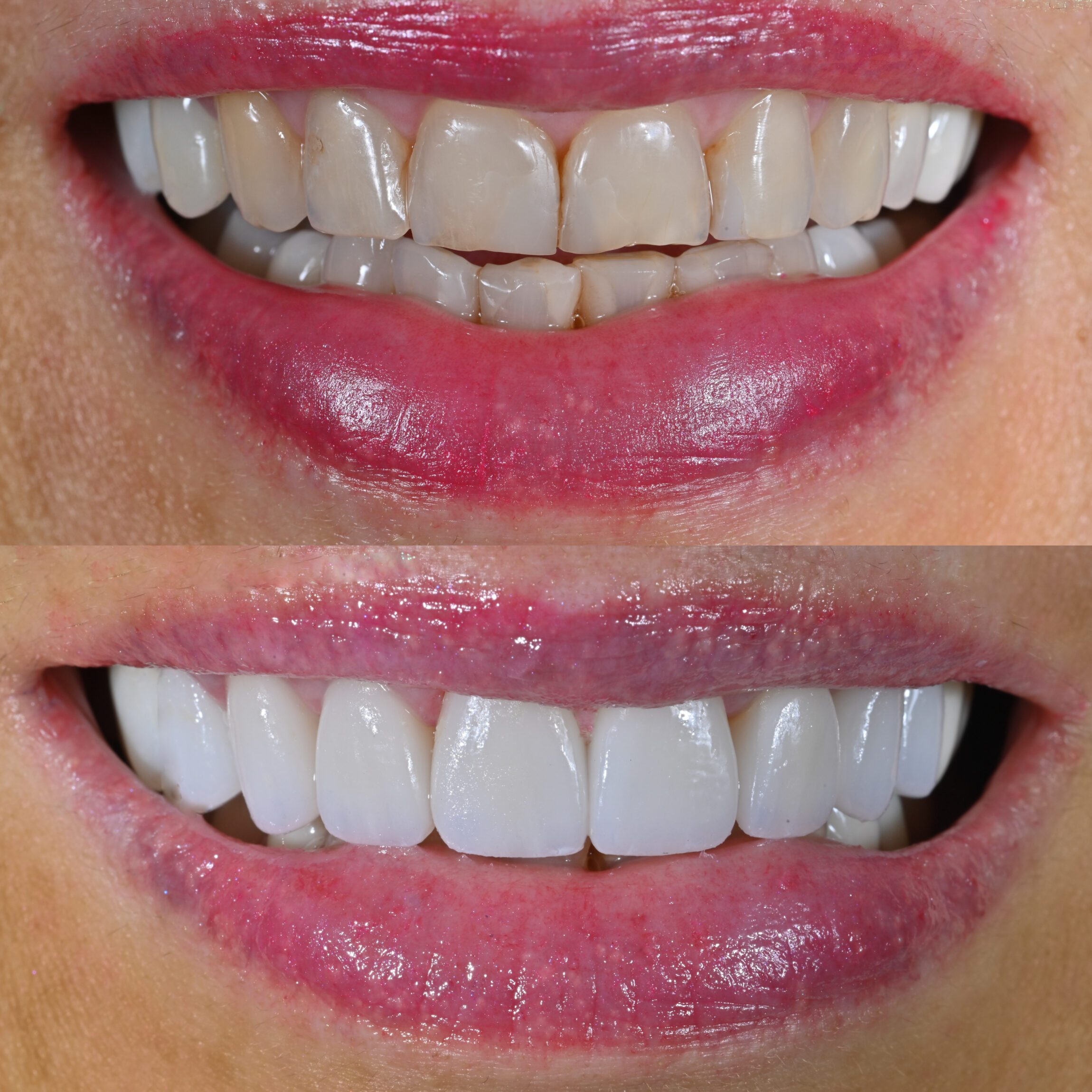
Submitted photo
Why Do Some Veneers Look Fake?
Usually, it isn’t the porcelain. It’s the design.
Too white. Too opaque. Too bulky. Too identical.
Modern porcelain can mimic natural enamel remarkably well, but the details matter: texture, translucency, shape, proportions, and how light reflects from each tooth.
Digital scanners, photography, and smile-design technology have made planning more precise than ever. But technology is still only a tool.
A computer can make teeth symmetrical. That doesn’t mean it can make them beautiful.
That’s where cosmetic dentistry becomes equal parts science and art.
Before You Say, “I Want Veneers…”
Don’t start by asking how many you need.
Start by asking: “What do I actually want to change about my smile?”
That question can lead to a very different—and sometimes much more conservative—treatment plan.
Because the future of cosmetic dentistry isn’t about having the biggest, brightest, most perfect smile in the room. It’s about having one that looks unmistakably like you.
If everyone can tell you have veneers, we may have missed the point.
Any content, resident submissions, guest columns, advertisements, and advertorials are not necessarily endorsed by or represent the views of Best Version Media LLC (BVM) or any municipality, homeowners associations, businesses, or organizations that this publication serves. BVM is not responsible for the reliability, suitability, or timeliness of any content submitted, inclusive of materials generated or composed through artificial intelligence (AI). All content submitted is done so at the sole discretion of the submitting party.