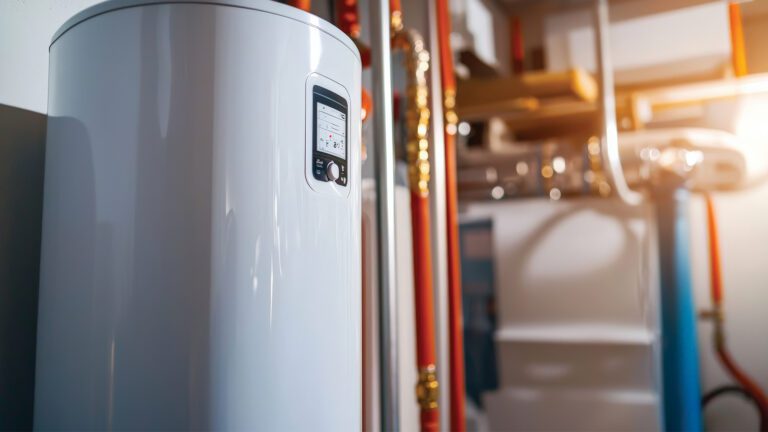
Ask most people when heating equipment fails and they’ll guess January. Makes sense — coldest month, hardest working. But in twenty-one years around here, I’ve found the worst stretch for furnaces and boilers is right now.
Shoulder season. Twenty-eight degrees at six in the morning, sixty-five by two in the afternoon, and your heating system trying to split the difference all day long.
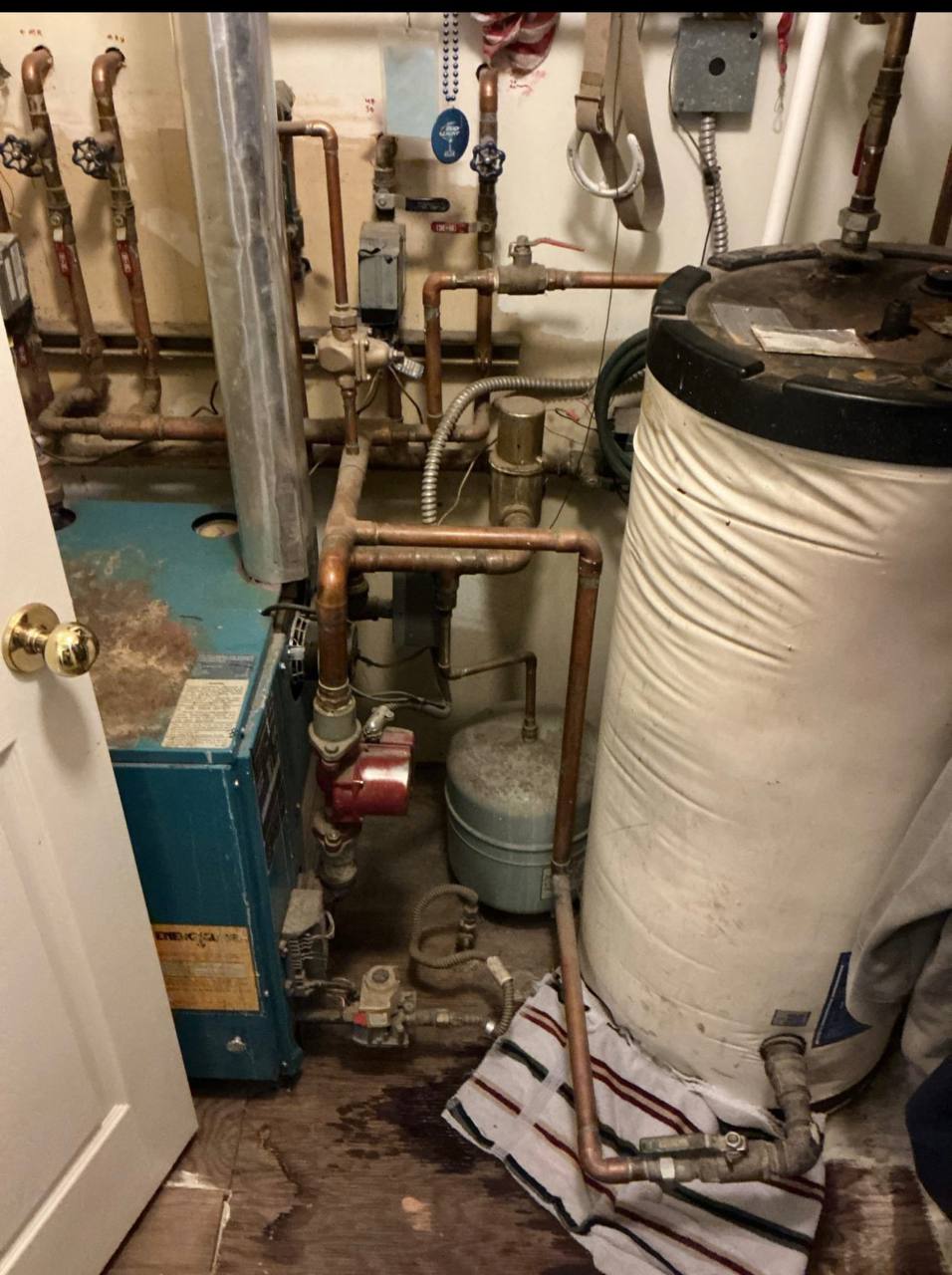
Credit: Jonathan Cheever
Here’s why that’s rough. Your furnace or boiler isn’t bothered by running. It’s bothered by starting. Every cycle means an ignition sequence, a flame, a heat exchanger expanding and then cooling, then doing it again twenty minutes later. In January a system fires up and settles into a long steady run. In October it short cycles — forty starts a day instead of eight. That’s where parts wear out and small problems turn into no-heat calls.
The good news is you have a window right now to catch things before the real cold shows up.
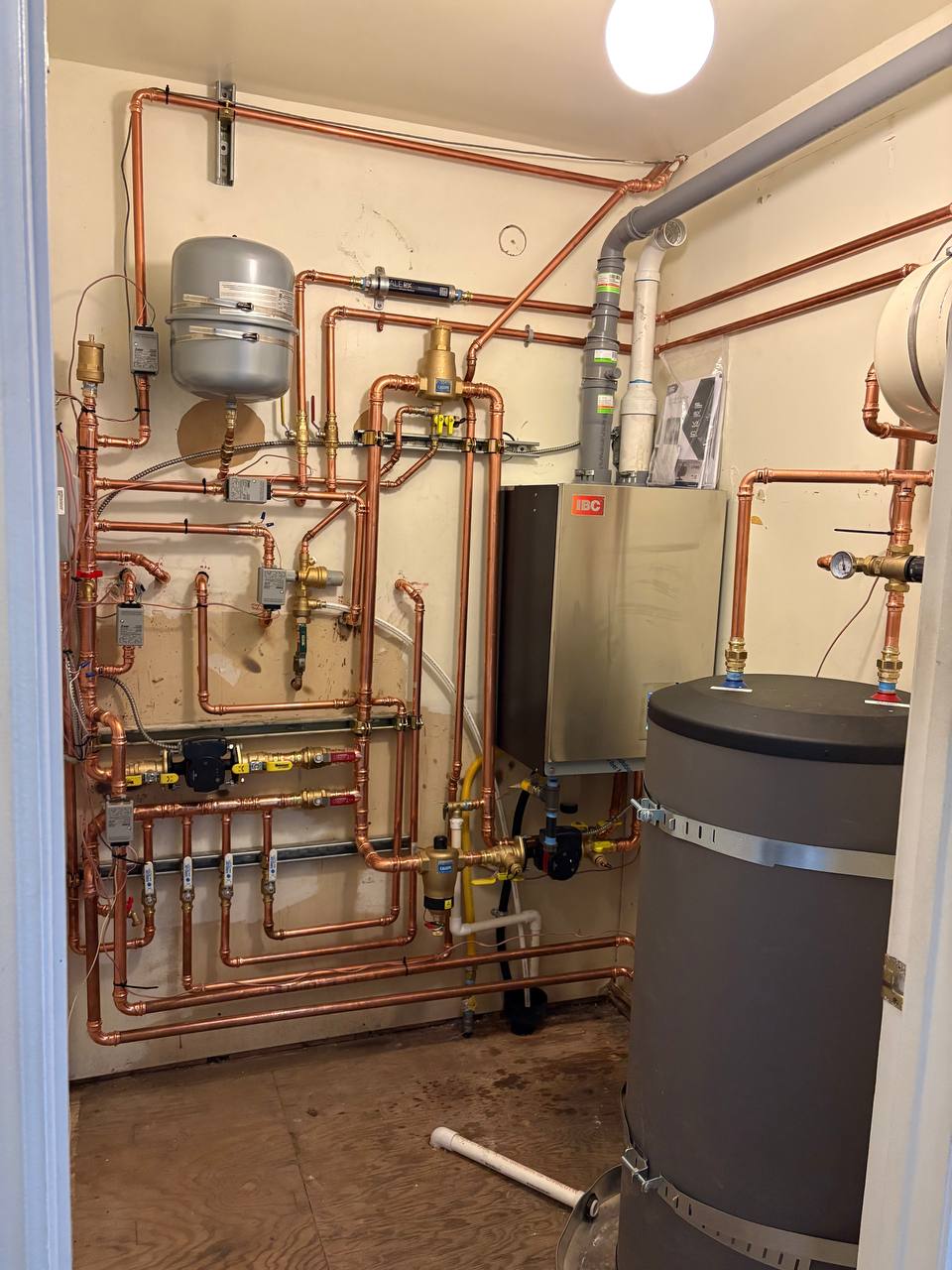
Credit: Jonathan Cheever
Boilers. Up here hydronic heat is everywhere — radiant floors, snowmelt, baseboard. Boilers are quiet and efficient, which is wonderful until you realize they can quietly fail for weeks before anyone notices. Check the pressure gauge; most residential systems want to sit around 12 to 15 psi cold. Look underneath for white chalky residue, which usually means a slow leak. And if you have snowmelt, test it before the first storm, not during it.
Furnaces. Fire it up now, windows open if you have to. You want to hear it ignite cleanly and run a full cycle. Listen for rumbling or delayed ignition. If it smells like burning dust for ten minutes, that’s normal. If it smells like anything else, shut it off and call someone.
Heat pumps. They’re getting more common here, and modern cold-climate units genuinely work at our temperatures. But they depend on outdoor coils staying clear — pull the weeds, cut back the shrubs, and make sure the unit isn’t parked where the roof dumps snow on it.
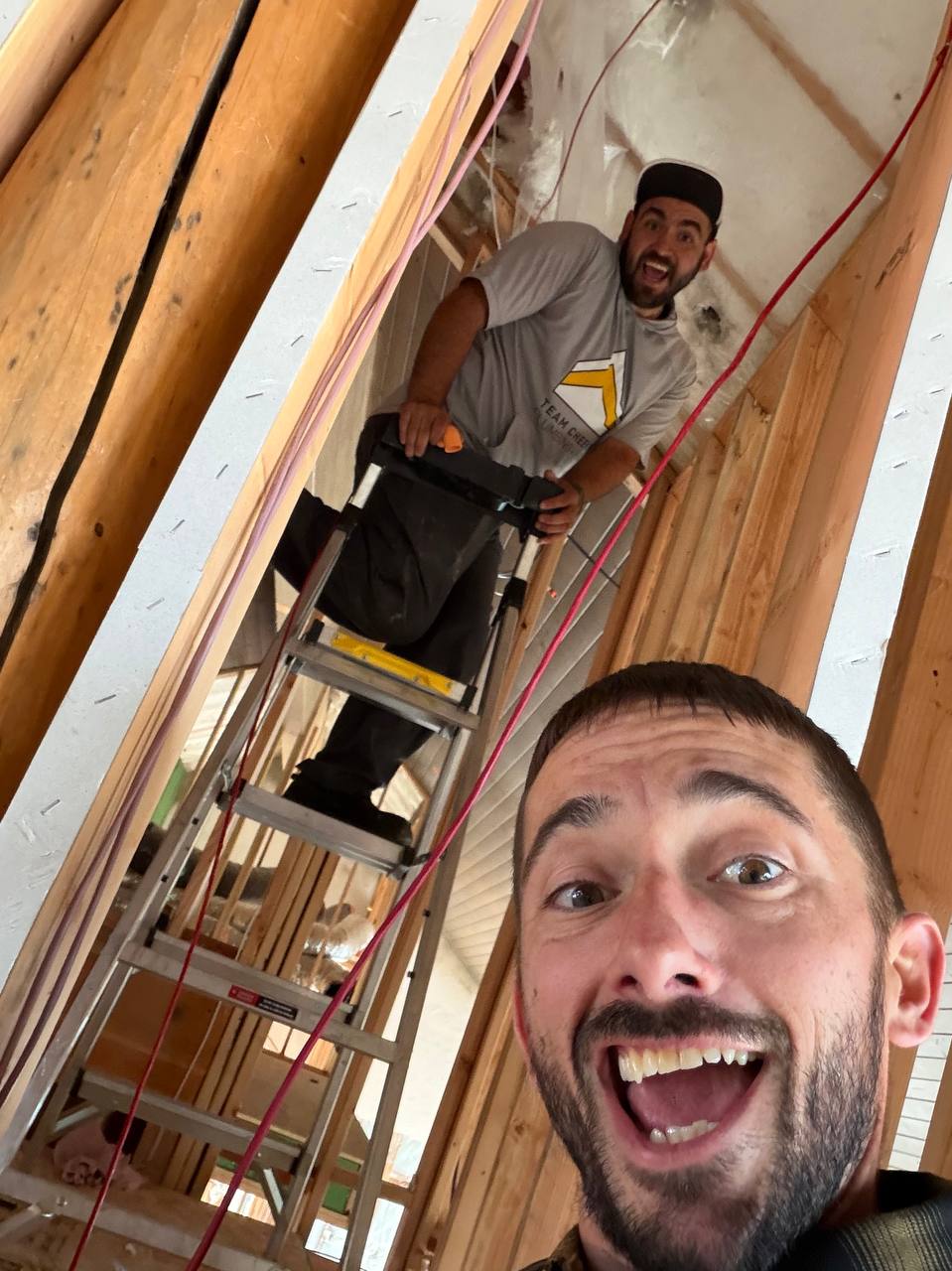
Credit: Jonathan Cheever
Filters. The cheapest thing you’ll ever do for your system and the most skipped. A loaded filter makes the blower work harder, drops airflow, and on a furnace can push the heat exchanger hotter than it should run. Change it, then write the date on the edge with a Sharpie so you’re not guessing in February.
Altitude, while we’re here. At seven thousand feet there’s less oxygen, and gas equipment has to be set up for it. If a system was never properly derated it’ll run inefficiently and eventually foul. Worth asking about if nobody’s ever checked.
The ten-minute version: change the filter, run the heat through a full cycle, check boiler pressure, look under everything for drips, clear the area around any outdoor unit, and test the carbon monoxide detector. If something sounds off, you’ve got weeks to deal with it instead of hours.
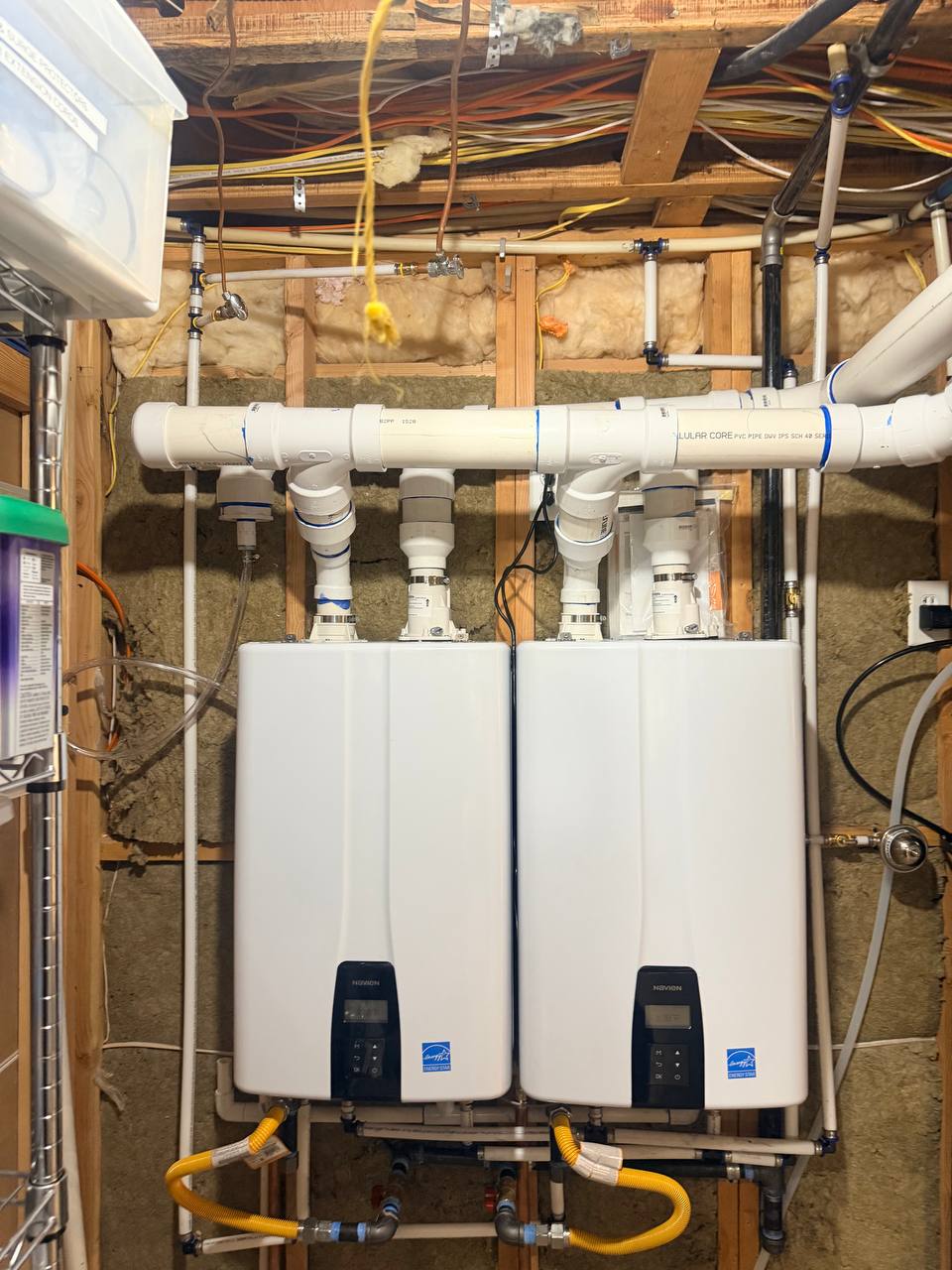
Credit: Jonathan Cheever
I spent a lot of years chasing a start gate, and what mattered most was always what happened before the gate dropped. Heating equipment is the same. The work you do in October decides how your January goes.
Stay warm out there.
Jonathan Cheever is an Olympic snowboarder, licensed Master Plumber and General Contractor and co-owner of Team Cheever Plumbing + HVAC in Park City. (Licensed Plumbing, HVAC, Fire Suppression, General Contracting)
Any content, resident submissions, guest columns, advertisements, and advertorials are not necessarily endorsed by or represent the views of Best Version Media LLC (BVM) or any municipality, homeowners associations, businesses, or organizations that this publication serves. BVM is not responsible for the reliability, suitability, or timeliness of any content submitted, inclusive of materials generated or composed through artificial intelligence (AI). All content submitted is done so at the sole discretion of the submitting party.