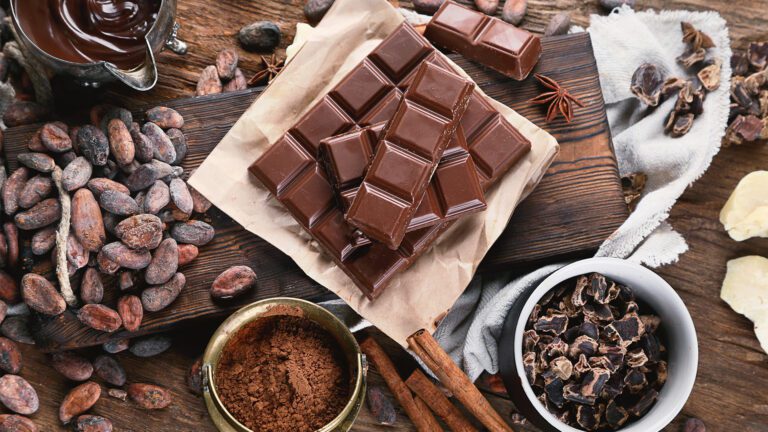

For centuries, chocolate was revered by the Maya and Aztecs as Theobroma cacao—the “Food of the Gods.” It was consumed not as a cheap candy, but as a sacred, unsweetened ritual beverage. Today, industrial mass production has largely stripped chocolate of this ancient reverence, turning a complex agricultural product into a hyper-processed, sugar laden commodity. Reclaiming the true tradition of chocolate requires looking past the grocery store candy aisle and understanding the profound impact of how our cacao is grown, traded, and crafted.
At the heart of great chocolate is agricultural biodiversity. Much like fine wine, high-quality cacao inherits unique flavor profiles ranging from bright, fruity notes to deep, nutty undertones based on the soil, elevation, and surrounding flora. However, the modern demand for cheap chocolate has pushed the industry toward destructive monocultures. High-yield, flavorless hybrids are aggressively farmed, leading to massive deforestation in critical ecological zones like West Africa.
Choosing sustainably sourced, quality chocolate is an environmental intervention. Premium chocolate makers champion shade-grown cacao and dynamic agroforestry. In these systems, cacao trees thrive under a diverse canopy of native trees. This practice preserves rainforest ecosystems, builds climate resilience, protects wildlife habitats, and eliminates the need for toxic synthetic pesticides. But environmental sustainability is impossible without economic justice. The global chocolate industry is worth over $100 billion, yet the average smallholder cacao farmer survives on less than $2 a day. This severe economic pressure feeds a humanitarian crisis plagued by systemic poverty and child labor. This is where Fair Trade and Direct Trade practices become non-negotiable. When you purchase certified Fair Trade or craft “Bean-to-Bar” chocolate, you support a supply chain that guarantees farmers a premium living wage. Direct Trade goes a step further by cutting out exploitative middlemen entirely, establishing a transparent relationship directly between the chocolate maker and the estate farm. With financial stability, farming communities can invest in proper post-harvest techniques like meticulous fermentation and sun-drying which are crucial for developing elite flavours. When crafted with care, true chocolate is also a powerhouse for wellness. Pure dark chocolate is exceptionally rich in flavinols and polyphenols, potent antioxidants that support cardiovascular health by lowering blood pressure and improving blood flow. It also serves as an excellent source of essential minerals like magnesium, iron, and zinc.
Furthermore, cacao stimulates the release of endorphins and contains serotonin precursors, naturally elevating mood and sharpening cognitive focus. True quality chocolate is unmasked. It does not hide agricultural defects behind heavy chemical alkalization, artificial flavorings, palm oil, or excessive refined sugar. Instead, it lets the bean shine. By shifting our mindset to buying less but paying more for premium chocolate, we honor an ancient culinary tradition, protect our physical health, safeguard tropical rainforests, and ensure human dignity for the farmers at the origin.
Any content, resident submissions, guest columns, advertisements, and advertorials are not necessarily endorsed by or represent the views of Best Version Media LLC (BVM) or any municipality, homeowners associations, businesses, or organizations that this publication serves. BVM is not responsible for the reliability, suitability, or timeliness of any content submitted, inclusive of materials generated or composed through artificial intelligence (AI). All content submitted is done so at the sole discretion of the submitting party.