When it comes to home improvements, the idea of “return on investment” is often simplified into a numbers game—what adds value, what doesn’t, and what might increase resale.
But for high-end homeowners, the conversation tends to be more nuanced.
It’s not just about resale value. It’s about lasting value—how a home performs, how it feels to live in, and how well it holds its integrity over time.
And increasingly, that’s changing where people choose to invest.
What’s The Difference Between Visual Upgrades and Lasting Value?
Many renovations focus on what’s immediately visible—cosmetic updates that photograph well and create instant impact.
New finishes, updated fixtures, and trending design elements all have their place. But not all upgrades age the same way.
Some require frequent updates to stay current.
Others begin to show wear sooner than expected.
And some simply don’t contribute to the overall performance of the home.
By contrast, the most valuable investments are often the ones that work quietly in the background—enhancing both form and function without drawing attention to themselves.
These are the upgrades that continue to deliver value long after installation.
Why do the Entry Systems Play a Larger Role Than Most Expect?
One of the most overlooked areas when evaluating long-term value is the entry system.
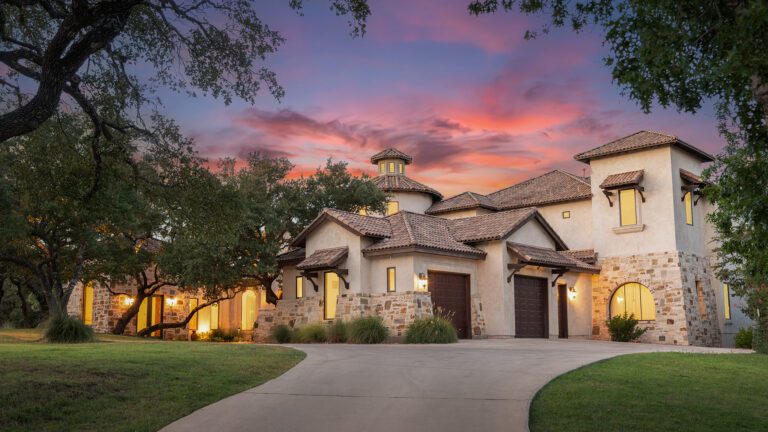
As the focal point of the home’s exterior, the front entry contributes significantly to perceived value and architectural presence. But beyond aesthetics, it also plays a functional role in security, energy efficiency, and day-to-day usability.
A well-engineered entry system can:
- Maintain alignment and operation over time
- Reduce air and water infiltration
- Support consistent interior comfort
- Enhance the overall structural feel of the home
These aren’t always the features highlighted during the design phase, but they become increasingly important with daily use.
And over time, they’re often what separate a home that simply looks complete from one that truly feels complete.
The Cost of Short-Term Thinking…
In many cases, decisions are made based on initial cost rather than long-term performance.
At first glance, two options may appear comparable. But differences in materials, construction methods, and engineering can lead to very different outcomes over time.
A system that requires adjustment, repair, or replacement within a few years ultimately carries a higher cost—both financially and in terms of time and inconvenience.
For homeowners investing at a higher level, this is where perspective begins to shift.
Instead of asking:
“What does this cost today?”
The question becomes:
“What will this cost me over the next 10–15 years?”
Longevity as a Form of Value
High-end homes are typically built with longevity in mind.
Materials are selected not just for appearance, but for how they perform over time. Structural decisions are made with durability and consistency as priorities.
The same mindset is now being applied more intentionally to components like doors and windows.
A well-built system that maintains its integrity, requires minimal maintenance, and continues to perform as expected becomes a long-term asset to the home.
It supports not only daily comfort, but also the overall perception of quality—something that is immediately noticeable to both homeowners and future buyers.
A More Informed Approach to Investment
As homeowners become more aware of how different systems perform over time, the decision-making process is evolving.
There’s a greater emphasis on understanding how products are built, how they respond to environmental conditions, and what kind of ownership experience they create.
Because at this level, value isn’t just about what’s added. It’s about what’s sustained.
Looking Beyond the Surface
A home can be beautifully designed and still fall short in how it performs.
The goal, increasingly, is to align both—design and durability, appearance and engineering, immediate impact and long-term value.
And that often starts with focusing on the elements that are used every day, not just the ones that are seen.
Because true return on investment isn’t always measured at the time of sale.
It’s measured in how well a home holds up over time—and how it continues to deliver on the expectations set from the very beginning.
Love That Door specializes in custom-engineered iron and aluminum door systems designed for long-term performance, security, and architectural impact.
Any content, resident submissions, guest columns, advertisements, and advertorials are not necessarily endorsed by or represent the views of Best Version Media LLC (BVM) or any municipality, homeowners associations, businesses, or organizations that this publication serves. BVM is not responsible for the reliability, suitability, or timeliness of any content submitted, inclusive of materials generated or composed through artificial intelligence (AI). All content submitted is done so at the sole discretion of the submitting party.