Michigan winters can bring freezing temperatures, heavy snow, and the occasional power outage. The good news? A few simple steps now can help keep your home warm, safe, and energy-efficient all season long.
Give Your Heating System a Checkup
Your furnace or heat pump is about to enter its busiest season. Replace dirty filters, make sure vents and registers aren’t blocked by furniture, and consider a professional inspection before the first cold snap. If you use a fireplace or wood stove, have the chimney cleaned and inspected to ensure it’s operating safely.
Stop Drafts Before They Start
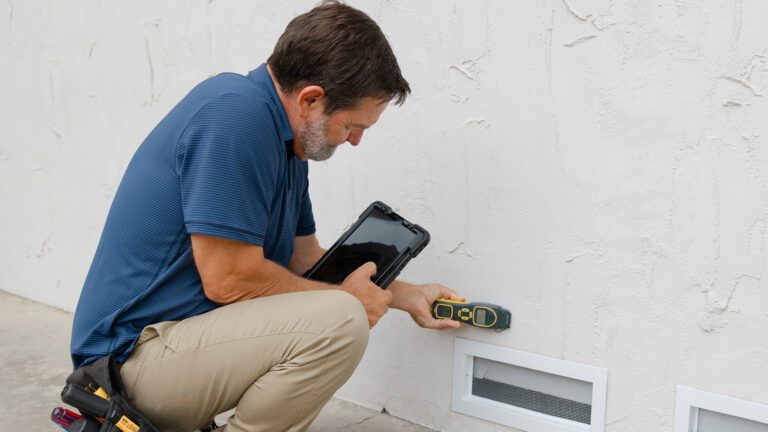
Tiny gaps around windows, doors, pipes, and utility openings can let warm air escape and cold air creep in. Adding weatherstripping and caulk is an inexpensive way to improve comfort and lower heating costs. Heavy curtains can also help retain heat at night, while opening them during sunny days allows natural warmth to enter your home.
Don’t Overlook Insulation
Insulation acts like your home’s winter coat. If your attic or other areas are under-insulated, your heating system must work harder to keep up. Before adding insulation, address any roof leaks or moisture issues to prevent damage and maximize effectiveness.
Protect Pipes From Freezing
Frozen pipes can lead to costly water damage. Insulate exposed pipes in garages, crawl spaces, and unfinished basements. It’s also smart to know where your main water shutoff valve is located before an emergency occurs. If a pipe freezes, use gentle heat such as a hair dryer or warm air source. Never use an open flame.
Prepare for Storms and Power Outages
Winter storms can knock out power with little warning. Keep flashlights, batteries, bottled water, nonperishable food, blankets, and a first-aid kit on hand. Test smoke and carbon monoxide detectors, and make sure fire extinguishers are easily accessible. If you use a generator, always operate it outdoors and away from doors, windows, and garages.
Use Your Thermostat Wisely
A programmable or smart thermostat can help reduce heating costs by lowering temperatures when you’re sleeping or away from home. Wearing an extra layer indoors and closing doors to unused rooms can also help keep utility bills in check.
Take a Walk Around the Outside
Before snow arrives, inspect your roof, gutters, and siding for signs of damage. Clean gutters so melting snow can drain properly and trim branches that could fall during ice storms. Don’t forget to disconnect garden hoses and winterize outdoor faucets.
A Little Preparation Goes a Long Way
Winterizing your home doesn’t have to be complicated or expensive. A few hours of preventative maintenance today can help prevent frozen pipes, high energy bills, and unexpected repairs tomorrow. With some planning and preparation, you’ll be ready to enjoy a warmer, safer, and more comfortable winter season.
Any content, resident submissions, guest columns, advertisements, and advertorials are not necessarily endorsed by or represent the views of Best Version Media LLC (BVM) or any municipality, homeowners associations, businesses, or organizations that this publication serves. BVM is not responsible for the reliability, suitability, or timeliness of any content submitted, inclusive of materials generated or composed through artificial intelligence (AI). All content submitted is done so at the sole discretion of the submitting party.