
By June, Oak Bay is at its most beautiful. The days are longer, gardens are filling out, and mature trees have settled into their full summer canopies. As an arborist, this is one of my favourite times of year to work.
Usually when I write these articles, I focus on practical tree care advice; drought stress, pruning, storm preparation, or common problems homeowners may encounter throughout the season. Those topics are important, but this month I found myself reflecting a little more on the bigger picture of what working around trees has taught me over the years. Because after enough time spent climbing, pruning, removing, and caring for trees, you begin to notice that they have a way of quietly changing how you think about time, growth, and patience itself.
Most people see trees at this time of year and simply enjoy how beautiful they look. I do too, but over the years I’ve realized arborists tend to see something else as well. We see the slow story behind them. We notice the old pruning cuts high in a canopy, the signs of drought stress beginning before most homeowners would ever recognize them, or the way a tree has spent years adapting to damage, storms, changing soil conditions, or construction around its roots.
One of the biggest things tree work has taught me is patience. Trees rarely operate on human timelines.
We live in a world that expects immediate results. We want quick growth, visible progress, and fast solutions. Trees don’t work that way. A tree stressed during one hot summer may not visibly decline until years later. Root damage during construction can take seasons before symptoms begin appearing in the canopy. Even proper pruning is often something you only fully appreciate years afterward.
Some of the best arborist work is preventative. In many cases, if we’ve done our job properly, homeowners may never actually see the problem we helped avoid.
A well-pruned tree may not look dramatically different the next day, but years later it may have stronger structure, better storm resistance, and a longer lifespan because of small decisions made early. Good tree care is often quiet work. It’s slow work.
There’s something humbling about spending your career working years ahead of visible outcomes.
Working around mature trees has also changed the way I think about time itself. Here in Oak Bay, many of the trees shaping our streets and properties were planted by people who knew they would likely never enjoy the full shade or beauty those trees would eventually provide. They planted them anyway. That kind of long-term thinking feels increasingly rare.
I think that’s part of why people feel so connected to mature trees. They remind us that not all meaningful things happen quickly. Growth takes time. Recovery takes time. Strength takes time.
Trees also remind me that difficult seasons are not always visible right away. Sometimes a tree spends years quietly compensating for stress before we ever notice outward signs. Other times, with proper care and the right conditions, trees recover in ways that surprise people.
There’s probably a lesson in that for all of us too.
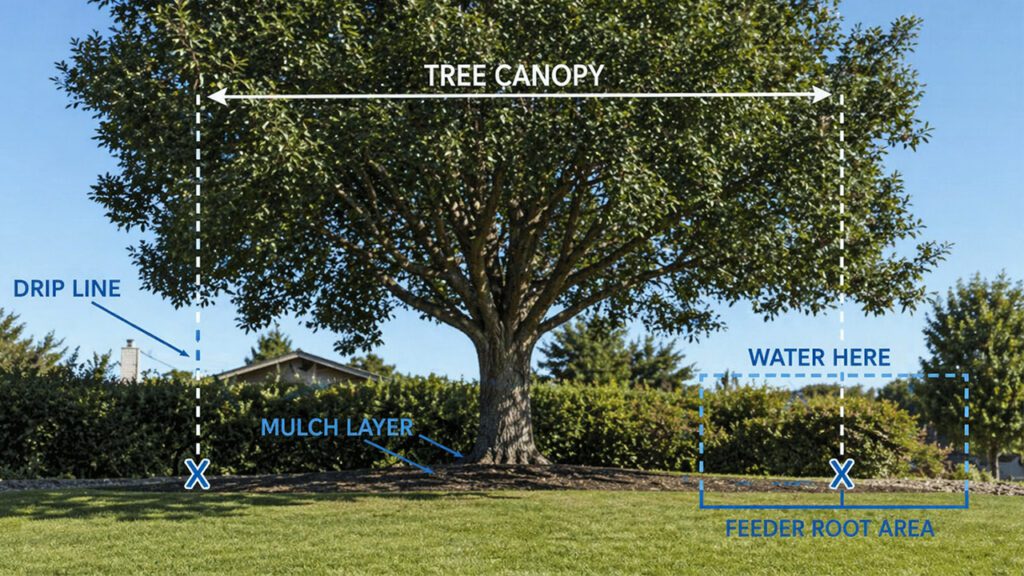
As arborists, we spend a lot of time encouraging preventative care because it truly matters. Deep watering during droughts, reducing soil compaction, protecting roots during landscaping projects, proper mulching, and selective pruning all help support the long-term health and beauty of trees. Most of these things won’t create dramatic overnight results, but over time they make an enormous difference.
Patience isn’t inactivity. It’s consistent care over time.
As we head into another summer season, I’d encourage homeowners to spend a little extra time noticing the trees around them. Mature trees are one of the most valuable parts of our landscapes and our community, but they often need support long before problems become obvious.
A little care now can help preserve them for decades to come.
Any content, resident submissions, guest columns, advertisements, and advertorials are not necessarily endorsed by or represent the views of Best Version Media LLC (BVM) or any municipality, homeowners associations, businesses, or organizations that this publication serves. BVM is not responsible for the reliability, suitability, or timeliness of any content submitted, inclusive of materials generated or composed through artificial intelligence (AI). All content submitted is done so at the sole discretion of the submitting party.