Many homeowners focus on insulation, HVAC systems, or new windows when looking for ways to improve energy efficiency. However, window treatments can also play an important role in managing indoor temperatures and reducing energy use.
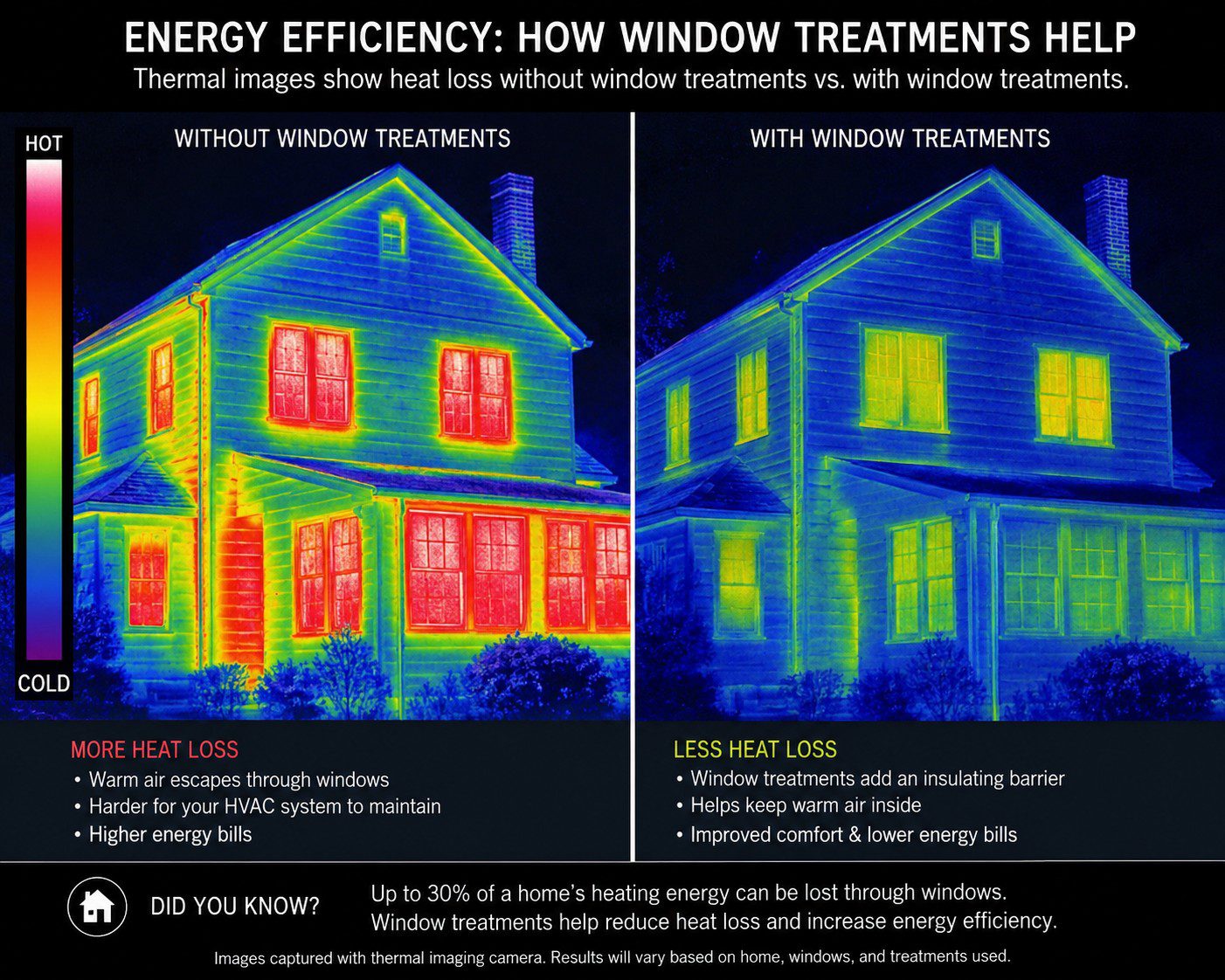
According to the U.S. Department of Energy, approximately 30% of a home’s heating and cooling energy can be lost through windows. While window quality is a major factor, the coverings used on those windows can help reduce heat transfer and improve comfort throughout the year.
(Submitted by Patrick Gibson)
Why Window Direction Matters
The direction your windows face affects how much heat enters or escapes your home.
South-facing windows typically receive the most sunlight during the day, especially in winter, providing a valuable source of natural warmth. North-facing windows receive the least solar heat gain. East- and west-facing windows often present the greatest challenges, allowing significant heat gain during summer mornings and afternoons while contributing to heat loss during colder months.
Understanding how sunlight interacts with your home can help you use window coverings more effectively.
Simple Strategies for Every Season
The way window treatments are used can influence indoor comfort and energy consumption.
During winter, opening window coverings on sun-facing windows allows natural sunlight to help warm interior spaces. Closing them after sunset creates an additional barrier that helps retain heat indoors.
In summer, keeping window treatments closed during the hottest parts of the day can help reduce solar heat gain and lessen the strain on air conditioning systems. These simple habits can contribute to more consistent indoor temperatures year-round.
How Window Treatments Help
Different window treatments offer varying levels of insulation. Cellular shades, insulated draperies, and shutters are designed to help reduce heat transfer by creating barriers between the window and the room.
In addition to improving energy efficiency, these treatments can help reduce drafts, minimize glare, and create a more comfortable living environment. While they are not a substitute for quality windows or proper insulation, they can be an effective part of an overall energy-saving strategy.
The Benefits of Automation
Many homeowners are also turning to motorized window treatments to help manage energy use. Automated systems can be programmed to open and close at specific times of day, maximizing natural light when beneficial and providing insulation when needed.
This technology can help homeowners take advantage of seasonal sunlight patterns without requiring daily adjustments.
Making Informed Decisions
Improving energy efficiency does not always require major renovations. Understanding how windows affect heat transfer and how window treatments can help manage it allows homeowners to make practical, informed choices.
When combined with efficient windows, proper insulation, and regular HVAC maintenance, window treatments can contribute to a more comfortable home while supporting long-term energy savings.
Any content, resident submissions, guest columns, advertisements, and advertorials are not necessarily endorsed by or represent the views of Best Version Media LLC (BVM) or any municipality, homeowners associations, businesses, or organizations that this publication serves. BVM is not responsible for the reliability, suitability, or timeliness of any content submitted, inclusive of materials generated or composed through artificial intelligence (AI). All content submitted is done so at the sole discretion of the submitting party.