This year we celebrate the 250th anniversary of the Declaration of Independence and the start of the American Revolution. A major player in the success of the Revolution was the Spanish. What?!? You never heard of that in your history classes: Spain had a hand in the American Revolution? Indeed, they played a major role in the defeat of the British and at the Tubac Presidio we have an exhibit that tells you about the Secret Ally to the Colonists.
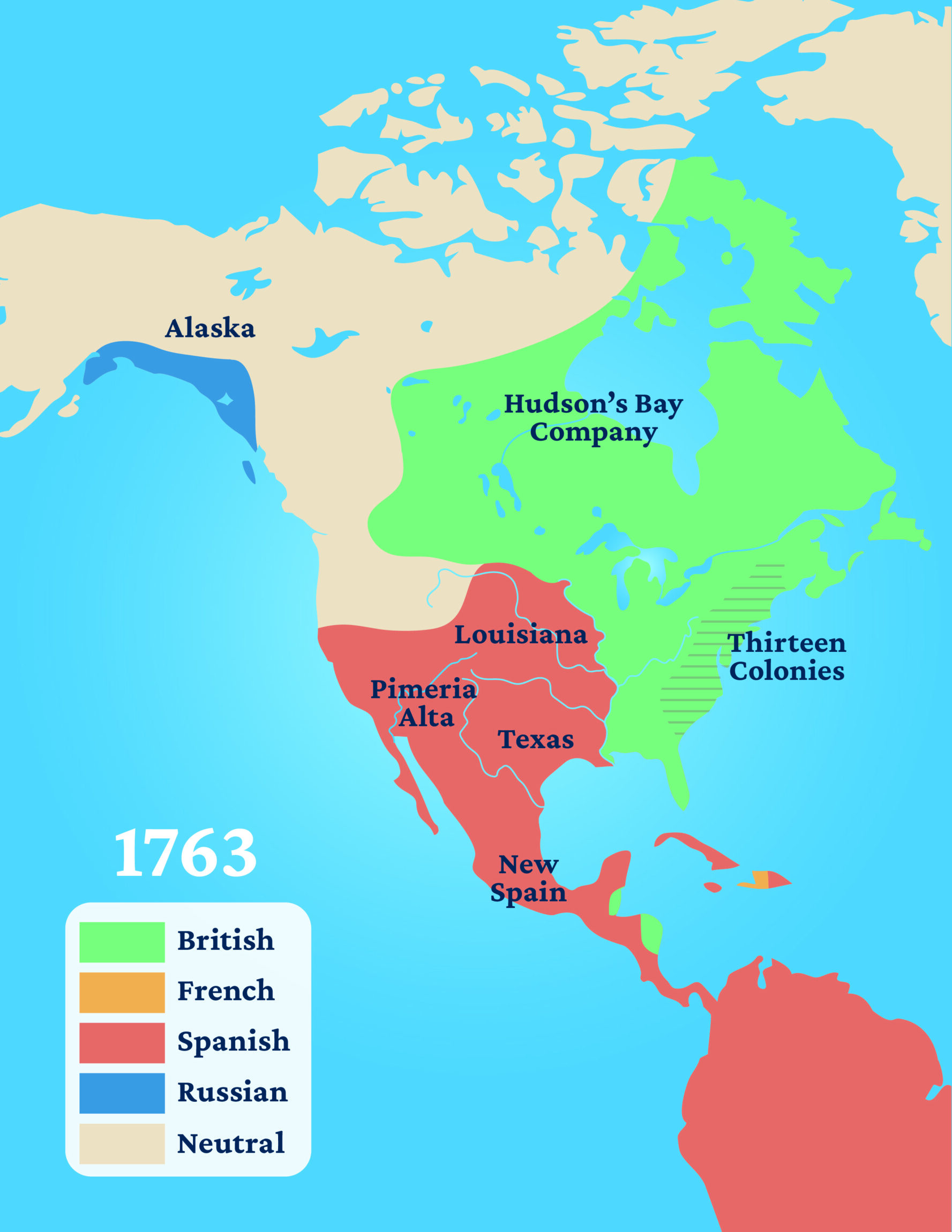
The Spanish monarch and the French monarch were cousins. Both hated the British and supported each other in the defeat of their long-time enemy. The exhibit explains how George Washington actually started the Seven Years’ War, which was the precursor to the Revolution. In that local war, several territories in North America changed hands, with the British winding up with a lot of the good parts. France lost all its holdings in the Americas but still had islands in the Caribbean. Spain and France wanted to get back at the British.
Spain started sending money and supplies to the rebels. They also arranged to protect the French holdings in the Caribbean while the French sent troops to help the American patriots. Bernardo Galvez, Spanish governor of Louisiana, whose portrait hangs in the U.S. Capitol building and for whom Galveston, Texas is named, captured Florida from the British and sent troops as far north as Michigan. These actions and more were publicly applauded by George Washington and the Continental Congress during and after the war.
(Submitted by Tom Walsh)
The American Revolution was really the first global war. Fighting occurred in both North and South America, around the Mediterranean, and in the Far East. American historians have, of course, focused on the battles fought in North America. The reason the Spanish are not usually mentioned in history texts is that the Spanish never formed an alliance with the rebels, despite all the help they gave. They insisted on the independence of the colonies in negotiations for peace and did formally recognize the break-away colonies at the end of the war.
Most of the rebel forces were paid with the Spanish peso. The peso, a Spanish silver coin with a nominal value of 8 reales (royals), was the precursor of the American dollar and also known as the peso fuerte, or piece of eight. It was widely used internationally. The peso fuerte became the most common currency in the Americas and Southeast Asia. It remained the most widely used coin in the Thirteen Colonies, and once there was a United States of America. It was only withdrawn from circulation in 1857. Examples are on display in the Tubac Presidio Museum.
We are open Tuesday through Sunday, from 9:00 a.m. to 3:00 p.m. Come visit and see something new.
Any content, resident submissions, guest columns, advertisements, and advertorials are not necessarily endorsed by or represent the views of Best Version Media LLC (BVM) or any municipality, homeowners associations, businesses, or organizations that this publication serves. BVM is not responsible for the reliability, suitability, or timeliness of any content submitted, inclusive of materials generated or composed through artificial intelligence (AI). All content submitted is done so at the sole discretion of the submitting party.