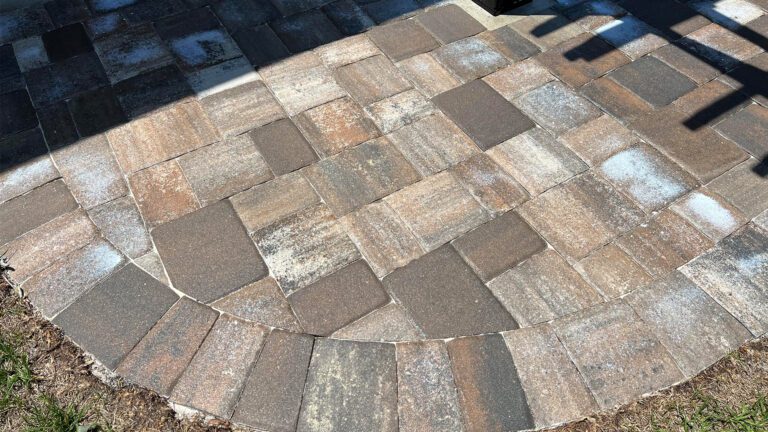
A good paver sealer usually lasts about 2 to 3 years. How long it lasts depends on the weather, how much sun or rain the surface gets, and how well the area was prepared before sealing. In places like Florida, where there’s a lot of heat and humidity, sealer may wear out a little sooner. High traffic areas usually wear down faster as well, think driveway as opposed to a pool deck.
How to Tell When It’s Time to Reseal
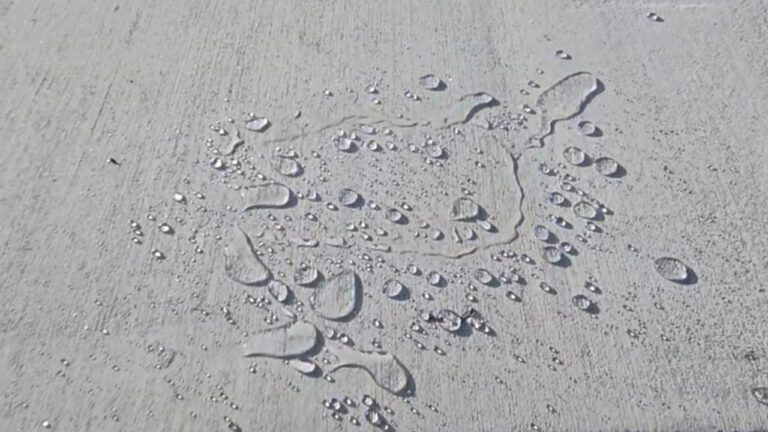
There are a few signs that your pavers might need to be resealed. If water no longer beads up on the surface, that’s a clear indicator that the sealer is wearing off. You might also notice the color has faded or the pavers have lost their shine. These are good signs that it’s time to reseal, even if it hasn’t been a full three years yet.
Why Proper Preparation Matters
Before sealing, your pavers need to be cleaned thoroughly. That means using a pressure washer to remove mold, mildew, dirt, and any chalky white residue (called efflorescence). If there are stains or leftover sealer, those need to be removed too, or they’ll get trapped under the new layer. The sand between your pavers, called joint sand, should be refilled to help hold everything in place and stop weeds from growing. After the area is fully dry, the sealer can be applied evenly.
Doing these steps right helps the sealer last longer and keeps your pavers looking good.
Choosing the Right Sealer
There are different types of sealers, depending on the look you want. Penetrating sealers offer protection without changing the look of your pavers. Enhancing sealers deepen the natural colors without adding shine, which is usually called a wet-look. Glossy sealers give a shiny finish but usually need to be redone more often. These are topical sealers. Pick the one that fits your style and how much upkeep you’re comfortable with.
Skip the Polymeric Sand
Polymeric sand is often marketed as a better option, but it can actually cause problems. It holds in moisture, which can lead to mold or cracking. A clean, fine sand that meets industry standards drains better and doesn’t cause as many issues.
Keep Your Pavers in Good Shape
To make your sealing last, you should keep your pavers clean, rinse them once a month, and inspect them during that time. You don’t have to seal every year, but paying attention to how your pavers look will help you know when it’s time.
Need Help?
If you’re not sure where to start or want a professional to take care of it, Hoover Pressure Cleaning is here to help. From cleaning and prep work to choosing the right sealer, we’ve got the experience to get the job done right. Reach out today, at 941-697-6886, for a free estimate and protect your investment.
Any content, resident submissions, guest columns, advertisements, and advertorials are not necessarily endorsed by or represent the views of Best Version Media LLC (BVM) or any municipality, homeowners associations, businesses, or organizations that this publication serves. BVM is not responsible for the reliability, suitability, or timeliness of any content submitted, inclusive of materials generated or composed through artificial intelligence (AI). All content submitted is done so at the sole discretion of the submitting party.