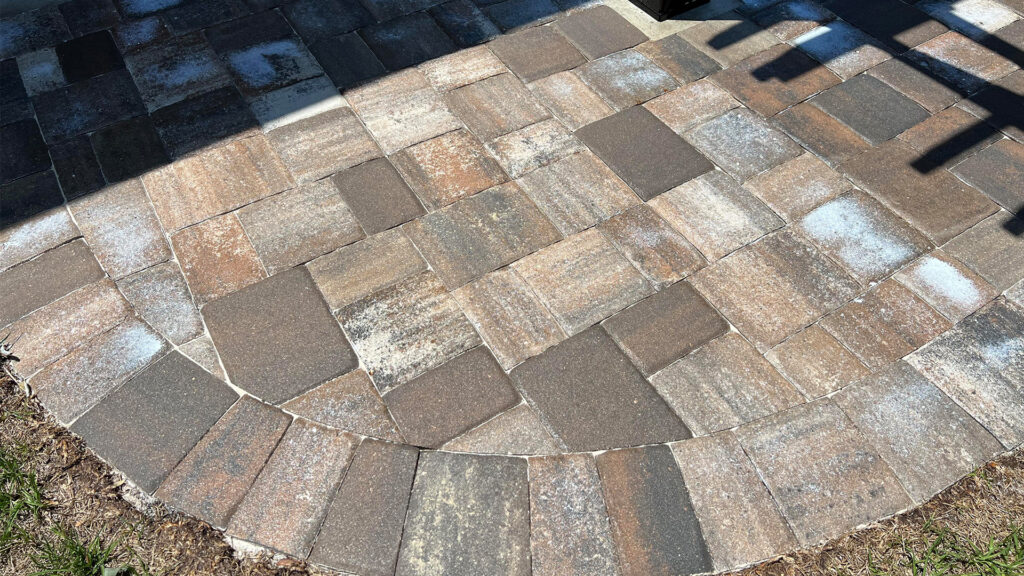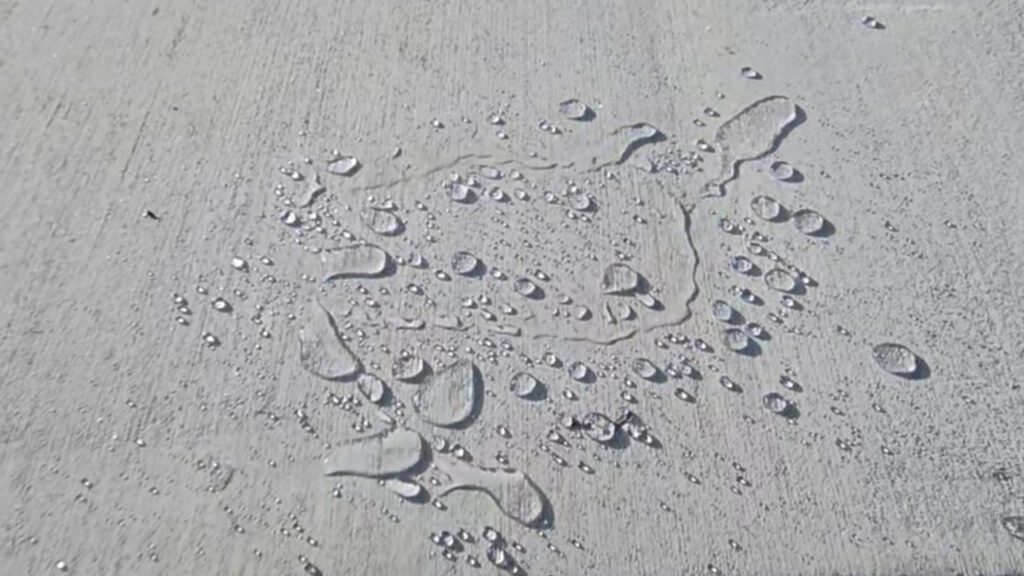
You’ve had your pavers professionally cleaned and sealed. They look beautiful, the color is refreshed, and you’ve added an important layer of protection to your investment.
So now you’re done, right?
Not quite.
One of the biggest misconceptions about paver sealing is that once the sealer goes down, the surface becomes maintenance-free. Sealing helps protect your pavers, but regular maintenance is what helps keep them looking their best and can extend the useful life of that protection. Here in Southwest Florida, that’s especially important. Our pavers deal with intense sunshine, heavy rain, humidity, irrigation, organic growth, vehicle traffic, weeds, insects, landscaping debris, and plenty of everyday use. Think of paver sealer as protection—not a force field.
What Does Paver Sealer Actually Do?
Depending on the product being used, paver sealer can help protect against moisture, staining, fading, and everyday wear. Some sealers can enhance the natural color of the pavers and help stabilize joint sand. A quality sealer can also make ongoing cleaning and maintenance easier because dirt and contaminants have an additional barrier between them and the paver itself. But everything that would normally affect your pavers doesn’t simply disappear after they’re sealed. That’s where maintenance comes in.
Sealed Pavers Still Need to Be Professionally Cleaned
Dirt, pollen, leaves, algae, mold, and other contaminants can collect on top of a sealed surface. Over time, that buildup can make beautiful sealed pavers look dull, dirty, or prematurely aged—even when the sealer underneath may still be doing its job. Regular professional cleaning helps remove that buildup before it becomes a larger problem. Instead of waiting until your pavers look terrible and need significant restoration, routine maintenance allows us to address the surface before it gets to that point. It’s much easier to maintain something that’s already in good condition than to restore it after years of neglect.
Southwest Florida Sprinklers Can Be Hard on Your Pavers
If you live in Southwest Florida, you’ve probably seen the brown or tea-colored staining that irrigation water can leave behind. Our local groundwater can contain minerals and naturally occurring organic compounds, including tannins, that contribute to discoloration and staining. As irrigation water repeatedly hits and dries on your pavers, that discoloration can continue to build. Sealer can help protect the paver surface, but it doesn’t mean repeated sprinkler exposure should be ignored. If your irrigation system sprays your driveway or walkway every morning, those deposits can continue accumulating on top of your sealed surface. Check your sprinkler heads periodically and make sure they’re watering your landscaping instead of your pavers whenever possible. And if you begin noticing discoloration, address it before years of buildup make it more difficult to remove.
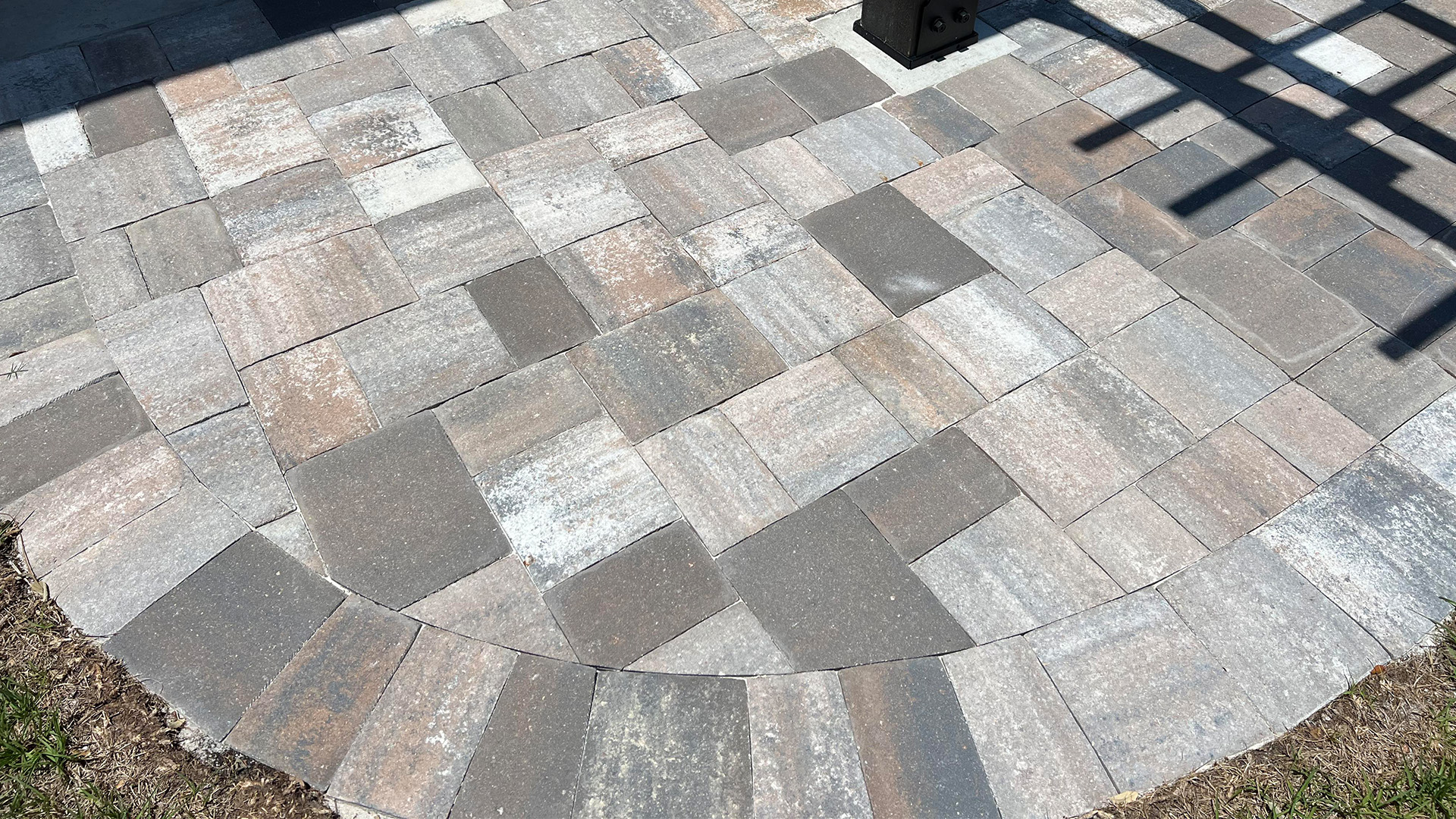
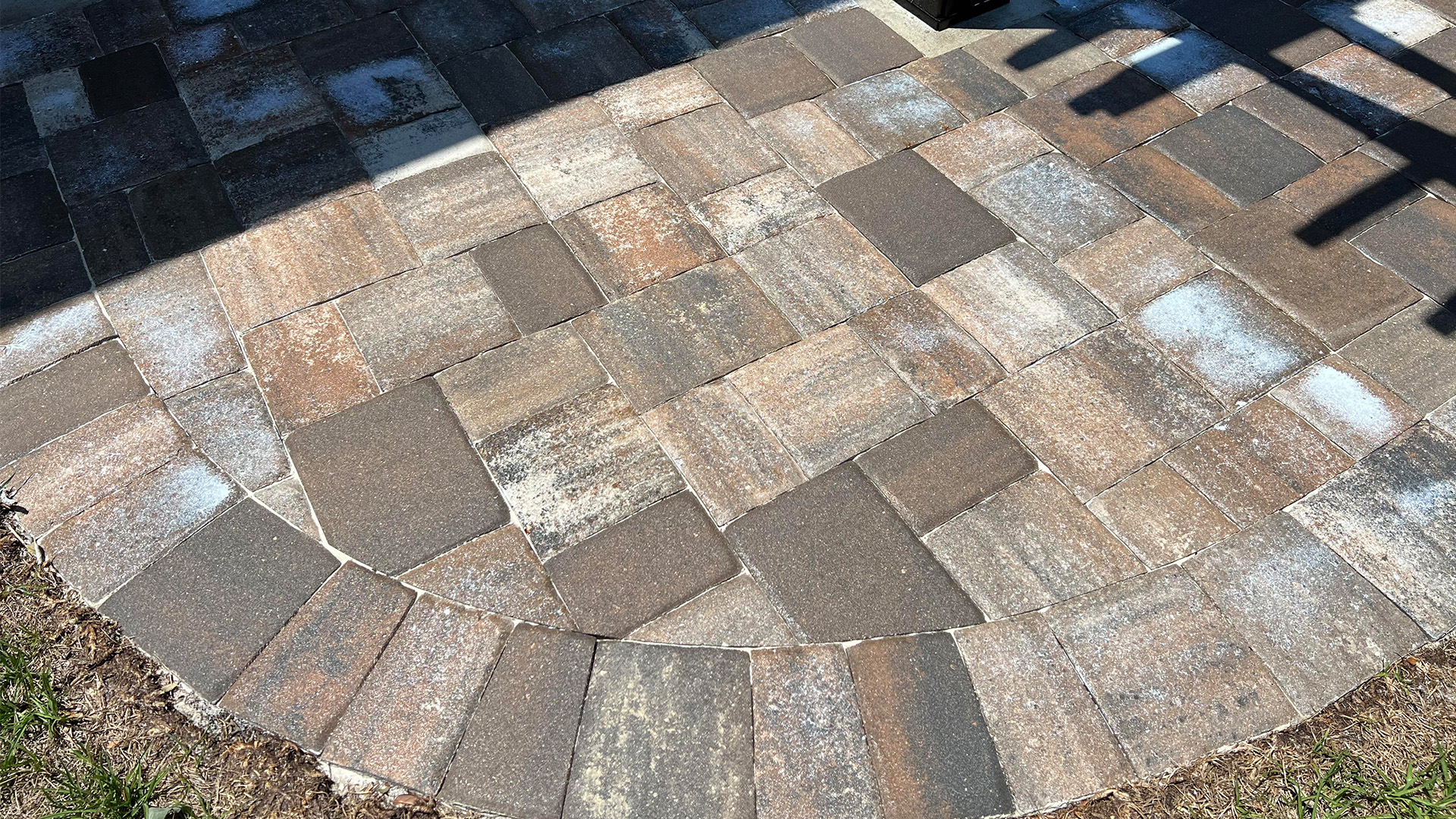
Sealing Doesn’t Mean You’ll Never See Weeds or Pests
Another common misconception is that sealing pavers means you’ll never see another weed—or ant—again. Sealing and stabilizing the joints can certainly help reduce weed growth and make it more difficult for pests to disturb the joint material, but nature is persistent. Weed seeds don’t only grow from underneath your pavers. Seeds can blow in from surrounding landscaping, settle into joints, and begin growing in dirt and organic material that accumulates on the surface. The same goes for insects. Ants and other pests can find small openings, edges, cracks, or areas where joint material has weakened over time. That’s why homeowners should continue watching for weed growth and signs of pest activity, even after their pavers have been sealed. Pulling a few weeds or addressing an ant problem early is much easier than waiting until weeds have taken over multiple joints or pests have displaced enough material to create a larger issue. Your sealed pavers still live outdoors—and Florida is very good at reminding us of that.
Your Sealer Will Eventually Wear
No exterior sealer lasts forever. Florida sunshine, weather, traffic, cleaning, and everyday use gradually wear on the surface. A driveway that has vehicles coming and going every day may wear differently than a covered lanai or lightly used walkway. That’s normal. The goal shouldn’t be to wait until every bit of protection is gone before thinking about your pavers again. Ideally, you want someone keeping an eye on the surface along the way.
This Is Why We Recommend a Maintenance Plan
After Hoover Pressure Cleaning cleans and seals your pavers, we want to help you maintain the investment you just made. Getting on a regular maintenance plan takes the guesswork out of it. Instead of wondering, Are my pavers dirty enough to call? Is my sealer wearing? What is that brown staining? Why are weeds starting to appear? Do I need to reseal yet?—we can help you keep an eye on those things. Routine maintenance gives us the opportunity to professionally clean the surface, watch for unusual wear or staining, identify irrigation issues, and let you know when the sealer is beginning to reach the point where another application should be considered. And not every maintenance visit means you need more sealer. Sometimes your pavers simply need to be cleaned and maintained. That distinction matters.
Protect the Protection
At Hoover Pressure Cleaning, we want your paver sealing investment to last and perform as well as possible. That means our relationship with your pavers shouldn’t end the day the sealer dries. Clean them. Maintain them. Watch your irrigation. Stay on top of weeds and pests. And have the condition of your sealer checked periodically.
If we’ve cleaned and sealed your pavers, ask us about getting your property on a regular maintenance plan. We can help you stay ahead of buildup and keep an eye on your sealed surfaces so you don’t have to wait until they look bad to give us a call.
You invested in protecting your pavers. Now let us help you maintain them.
Any content, resident submissions, guest columns, advertisements, and advertorials are not necessarily endorsed by or represent the views of Best Version Media LLC (BVM) or any municipality, homeowners associations, businesses, or organizations that this publication serves. BVM is not responsible for the reliability, suitability, or timeliness of any content submitted, inclusive of materials generated or composed through artificial intelligence (AI). All content submitted is done so at the sole discretion of the submitting party.