When it comes to skin cancer, the first thing most people think of is the potentially deadly skin cancer melanoma. Although melanoma is the diagnosis no one wants to hear, most skin cancers are not melanoma. In fact, most skin cancers belong to a group that is called non-melanoma, or “not” melanoma, skin cancer.
Submitted photo
The two most prominent of these are basal cell and squamous cell skin cancers, which make up approximately 95% of skin cancer diagnoses. So, melanoma, although a potentially dangerous skin cancer, is fortunately a rare diagnosis. If melanoma is diagnosed, getting it removed as soon as possible through surgery is currently the best treatment. What about those non- melanoma skin cancers?
The non-melanoma skin cancers, basal and squamous cell skin cancers, have options. The two options that offer the highest cure rates are surgery and radiation therapy.
Just like with a melanoma, surgical removal of the basal or squamous cell is a great treatment option. However, any treatment, including surgery, has downsides. For patients who are on blood thinners, they may have to stop those medications, putting them at risk for developing blood clots, or increased bleeding risk during surgery if not stopped.
For diabetic patients, cutting deep and wide to make sure no cancer is left behind could lead to prolonged wound healing issues, particularly on sites below the knee where circulation is less. Plastic surgery and skin grafting could be required to adequately close the wound if there is not enough normal skin in the area after cutting.
There is the risk of wound infection with cutting, scarring which is of particular concern on the face, cosmetic issues with removing tissue of the nose or ears, etc.
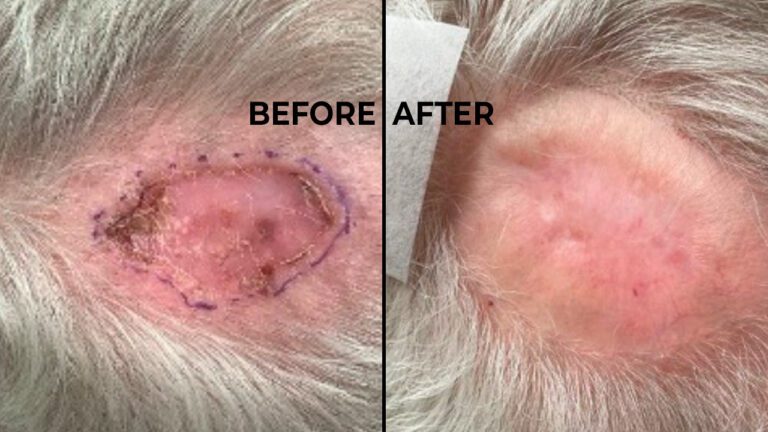
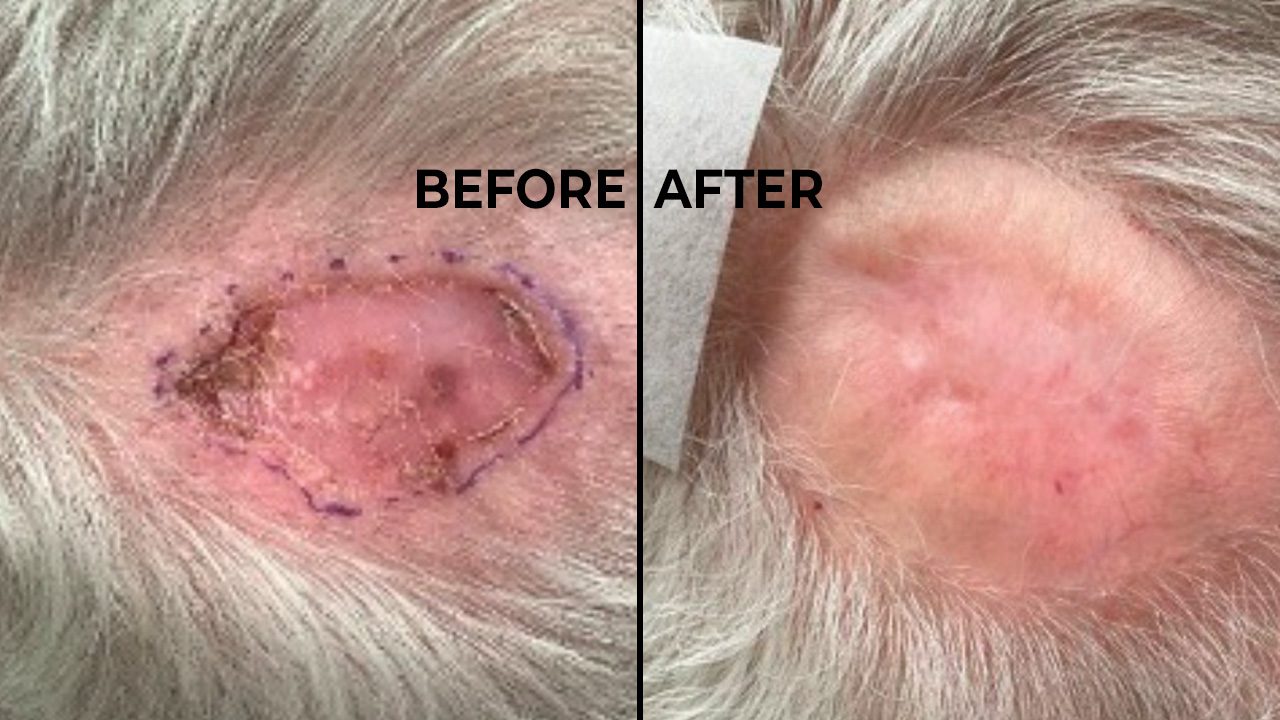
The good news is that radiation therapy offers a great, non-surgical alternative with high cure rates as well for non-melanoma skin cancers. With radiation therapy, the treatment is totally non-invasive. There is no cutting, bleeding, scarring, or wound healing issues with radiation therapy and the treatment itself is painless.
The downsides to radiation are that treatment requires multiple sessions to complete the course, and if treated over areas of hair, there could be hair loss in that area, that could be permanent. Although radiation requires multiple sessions, the treatment itself is very quick, taking only seconds each session.
At Florida Skin Cancer Institute, we offer the only FDA approved device for low dose image guided superficial radiation therapy, or IG-SRT, a much gentler way to treat basal and squamous cell skin cancers. The treatment is specific to the target area, and only penetrates skin deep, in contrast to high energy hospital radiation machines which treat unnecessarily deeper.
Give us a call today at 386-229- 5910 or visit us at www.floridaskincancer.com to schedule an appointment for non-invasive treatment!
Any content, resident submissions, guest columns, advertisements, and advertorials are not necessarily endorsed by or represent the views of Best Version Media LLC (BVM) or any municipality, homeowners associations, businesses, or organizations that this publication serves. BVM is not responsible for the reliability, suitability, or timeliness of any content submitted, inclusive of materials generated or composed through artificial intelligence (AI). All content submitted is done so at the sole discretion of the submitting party.