It never seems to happen on a pleasant spring afternoon.
Instead, air conditioners almost always seem to fail during the hottest week of the year—when temperatures climb into the 90s, humidity is at its peak, and your system is working overtime to keep your family comfortable. While it may seem like bad timing, there’s actually a good reason why.
“People often think the heat caused the failure,” says Mason Porter, owner of Artic Air. “In reality, the extreme heat simply exposes problems that have been developing for months.”
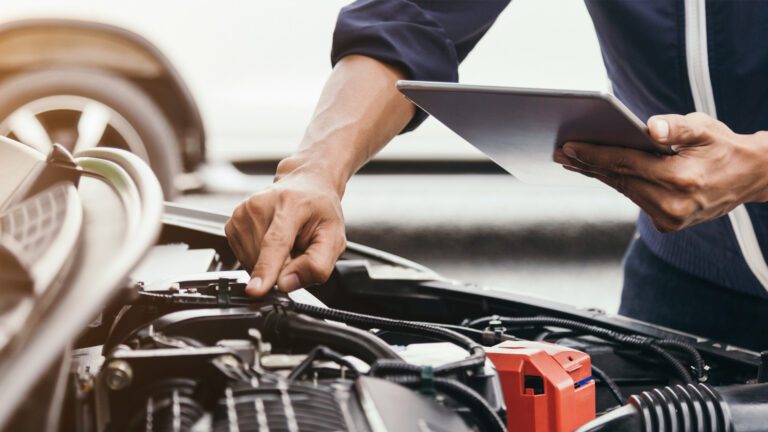
Porter compares an air conditioning system to a car pulling a heavy trailer up a steep hill. Most days, everything performs normally. But when a Northeast Florida heat wave arrives, your AC suddenly has to run longer, remove more heat and humidity, and operate under its highest workload of the year. Components that have slowly worn over time often reach their breaking point under that added stress.
Capacitors, contactors, blower motors, condensate pumps and compressor components are among the parts most likely to fail during periods of prolonged extreme heat. “These components don’t usually fail overnight,” Porter explains. “They weaken gradually, and the hottest days of the year are often what finally push them over the edge.”
Deferred maintenance is another major contributor to summertime breakdowns. Dirty air filters, clogged drain lines, blocked condenser coils and restricted airflow force an air conditioner to work much harder than necessary. That extra strain significantly increases the likelihood of a failure when outdoor temperatures soar.
Humidity is another challenge unique to Florida homeowners. “Your air conditioner isn’t just cooling the house,” Porter says. “It’s also removing moisture from the air. During periods of high humidity, the system has to run longer to keep your home comfortable, and that means more wear on every major component.”
The good news is that many mid-summer breakdowns can be prevented. Changing air filters regularly, keeping the outdoor unit free of leaves and debris, listening for unusual noises, and scheduling annual preventative maintenance can uncover small problems before they become expensive repairs. Homeowners should also watch for warning signs such as uneven cooling, rising electric bills, short cycling, or excessive indoor humidity.
“The best time to prepare your air conditioner for the hottest week of the year is before it gets here,” Porter says. “A simple maintenance visit today can often prevent an emergency repair tomorrow.”
For more information about keeping your HVAC system operating at peak performance, contact Artic Air at 386-269-8221 or visit articairhomeservices.com.
Any content, resident submissions, guest columns, advertisements, and advertorials are not necessarily endorsed by or represent the views of Best Version Media LLC (BVM) or any municipality, homeowners associations, businesses, or organizations that this publication serves. BVM is not responsible for the reliability, suitability, or timeliness of any content submitted, inclusive of materials generated or composed through artificial intelligence (AI). All content submitted is done so at the sole discretion of the submitting party.