In schools around the world, it is increasingly clear that strong academic outcomes alone are not enough to prepare students for life in a complex and interconnected world. While foundational skills in literacy, numeracy, and critical thinking remain essential, meaningful education is built at the intersection of community, values, inquiry, and real-world connection. It is within this intersection that global thinkers are nurtured; students who not only understand the world, but recognize their responsibility and capacity to shape it.
Educational research consistently affirms that students learn most deeply when they are actively engaged in questioning, exploring, and reflecting. John Dewey, whose work continues to influence modern inquiry-based education, famously wrote that “education is not preparation for life; education is life itself” (Dewey, 1938). Inquiry-driven classrooms position students as active participants in learning, encouraging curiosity, dialogue, and reflection. The International Baccalaureate reinforces this approach, stating that, “teaching and learning engages students as inquirers and thinkers” and that action is an essential outcome of learning. (International Baccalaureate Organization [IBO], 2018). When classrooms prioritize collaboration and thoughtful discussion, students develop not only academic competence, but also empathy, communication skills, and confidence in their voice.
From the earliest years, children thrive when learning is grounded in authentic experiences. Exploring environmental stewardship, examining cultural traditions, or investigating local histories helps students understand that learning does not exist in isolation. UNESCO emphasizes this connection, stating that global citizenship education aims to “empower learners to assume active roles, both locally and globally, to face and resolve global challenges and ultimately to become proactive contributors to a more just, peaceful, tolerant, inclusive, secure and sustainable world” (UNESCO, 2015). These connections are strengthened when schools work in partnership with families, community organizations, and local initiatives, transforming learning into a shared and purposeful experience.
Purposeful engagement beyond the classroom further deepens students’ sense of responsibility and agency. When learners participate in service projects, charitable initiatives, entrepreneurial ventures, or student leadership opportunities, they begin to understand that their actions matter. The OECD emphasizes that student agency is central to future-ready education, noting that “agency implies a sense of responsibility and the capacity to set goals, reflect, and act” (OECD, 2019). Even small acts, such as organizing a fundraiser, caring for shared spaces, or contributing ideas to a class initiative, reinforce the understanding that change begins with individual choice and collective effort.
At the heart of global education is a strong values-based foundation. Many schools draw on internationally recognized character attributes to guide learning, encouraging students to be caring, principled, open-minded, reflective, and balanced. These values shape not only what students learn, but how they approach challenges, relationships, and growth. Educational researcher John Hattie emphasizes that learning environments rooted in trust, respect, and high expectations have a significant impact on student achievement and wellbeing (Hattie, 2012). When students feel supported and valued, they are more willing to take risks, persist through challenges, and reflect meaningfully on their learning.
Families and educators alike often observe that the most impactful educational settings are those where children feel a genuine sense of belonging. When students feel seen and heard, they develop confidence in their identity and voice. They learn to view themselves not simply as recipients of knowledge, but as active contributors within their communities. Developing global thinkers is a long-term journey; one that begins with connection and is sustained through thoughtful guidance, reflection, and shared purpose.
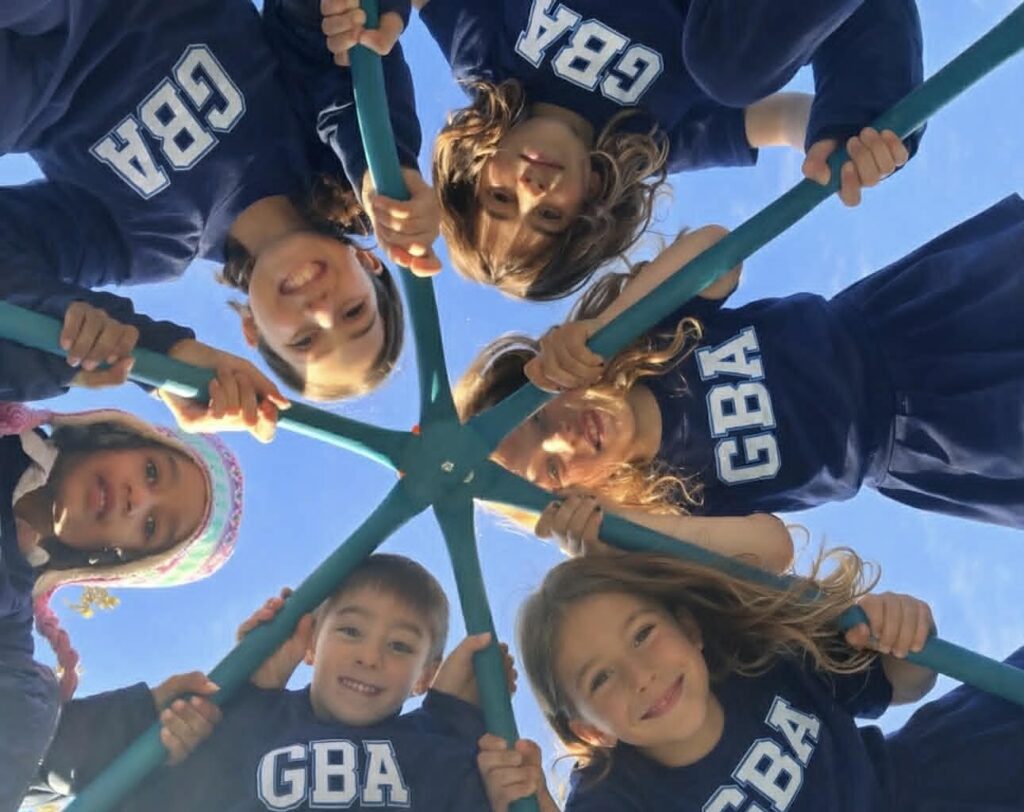
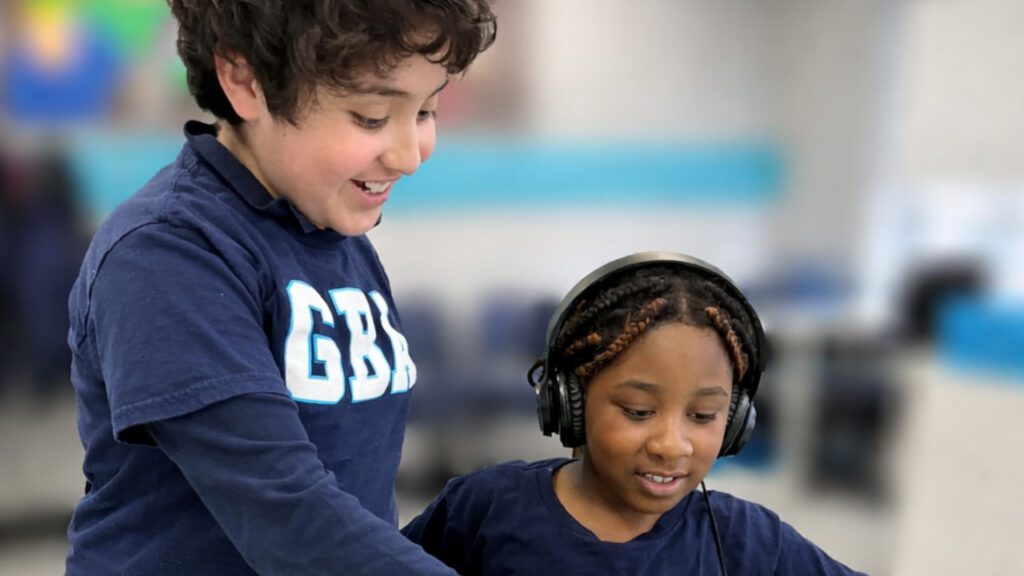
Ultimately, cultivating global thinkers requires a holistic approach to education. Community and values are not add-ons to learning; they are the framework that gives learning meaning. At Glen Briar Academy, these principles guide every aspect of teaching and learning. Curiosity-driven inquiry, real-world relevance, and values-based growth are woven into daily practice, shaping how students think, interact, and engage with the world. By living these principles, GBA nurtures learners who understand their capacity to contribute with compassion, curiosity, and a genuine commitment to making a positive difference.
References
Hattie, J. (2012). Visible Learning for Teachers: Maximizing Impact on Learning. Routledge.
International Baccalaureate Organization. (2020). What is an IB education?
Organisation for Economic Co-operation and Development. (2019). OECD Learning Compass 2030. OECD Publishing.
UNESCO. (2015). Global citizenship education: Topics and learning objectives. United Nations Educational, Scientific and Cultural Organization.
Any content, resident submissions, guest columns, advertisements, and advertorials are not necessarily endorsed by or represent the views of Best Version Media LLC (BVM) or any municipality, homeowners associations, businesses, or organizations that this publication serves. BVM is not responsible for the reliability, suitability, or timeliness of any content submitted, inclusive of materials generated or composed through artificial intelligence (AI). All content submitted is done so at the sole discretion of the submitting party.