In Ontario’s education system, student success has never been intended to depend solely on academic performance. Provincial frameworks consistently affirm that academic development must be accompanied by well-being, belonging, and character formation. Ontario’s Learning for All (Ontario Ministry of Education, 2016) and recent curriculum revisions (Ontario Ministry of Education, 2020) emphasize transferable skills, including critical thinking, collaboration, responsibility, and self-regulation, as essential competencies for preparing students for a complex and interconnected world. These priorities reflect a sustained commitment to educating the whole child.
While many Ontario schools pursue whole-child education through locally developed approaches, some adopt established international frameworks which make this integration more explicit. The International Baccalaureate (IB) Primary Years Programme (PYP) offers one such model, providing a structured approach that intentionally embeds character development within academic learning. The IB Learner Profile defines and emphasizes attributes such as being principled, reflective, caring, and open-minded, reinforcing the understanding that education is about who students are becoming and not simply what they know (International Baccalaureate Organization [IBO], 2018). Through the Approaches to Learning (ATL) skills, students develop habits of thinking, communication, collaboration, and self-management that support both academic excellence and personal responsibility.
Research supports this integrated approach. Darling-Hammond et al. (2020) demonstrate that environments intentionally blending social-emotional development with academic instruction yield stronger long-term achievement and resilience. Canadian research similarly underscores that positive school climate and relational trust are foundational to sustained academic engagement (People for Education, 2022). When students experience a sense of belonging and emotional safety, the development of executive functioning strengthens, allowing for deeper cognitive engagement and more meaningful learning outcomes.
Ontario’s focus on transferable skills and global competencies further aligns with whole-child education. The mathematics curriculum, for example, emphasizes reasoning, problem-solving, and ethical data interpretation (Ontario Ministry of Education, 2020), reinforcing that academic learning is inseparable from responsible citizenship. Developing self-regulation and a growth mindset has also been linked to improved academic performance in Canadian contexts (Toronto District School Board, 2018), further affirming that character and competence develop in tandem.
In practice, building character alongside academics means embedding ethical reasoning, empathy, and perseverance into daily instruction. Inquiry-based learning, which is central to the PYP framework, invites students to analyze real-world issues such as sustainability, justice, and identity. Through this process, students cultivate intellectual humility, principled action, and reflective thinking. Whole-child education is not a departure from academics. It is a deepening of it.
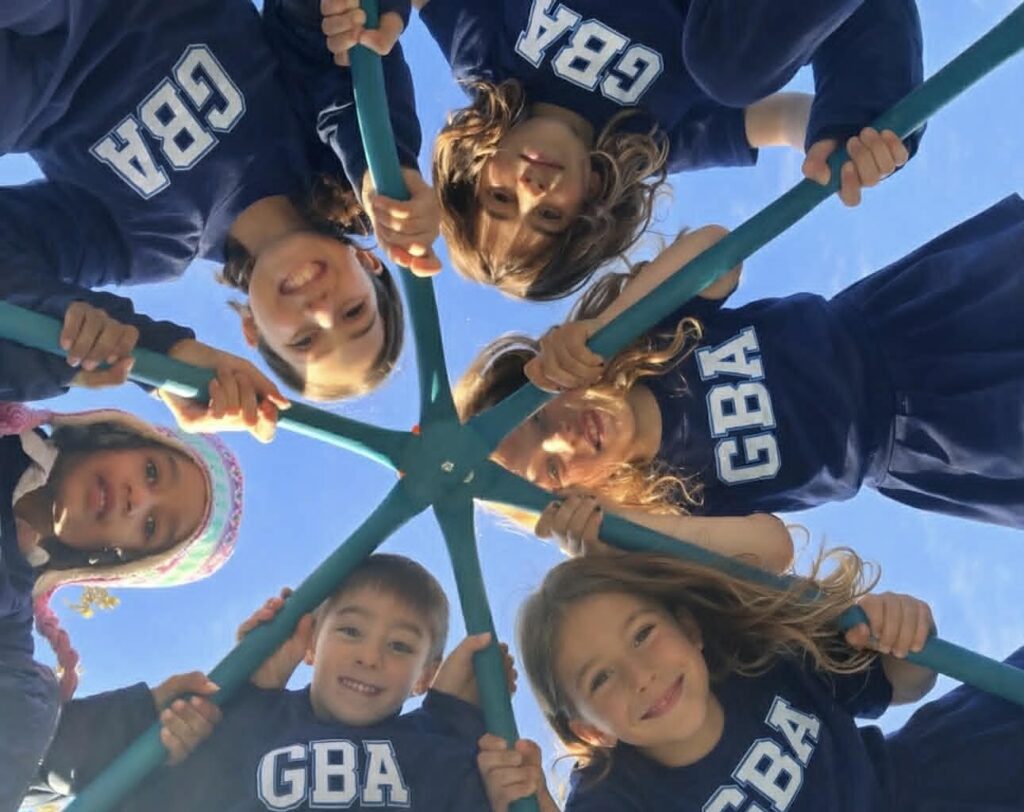
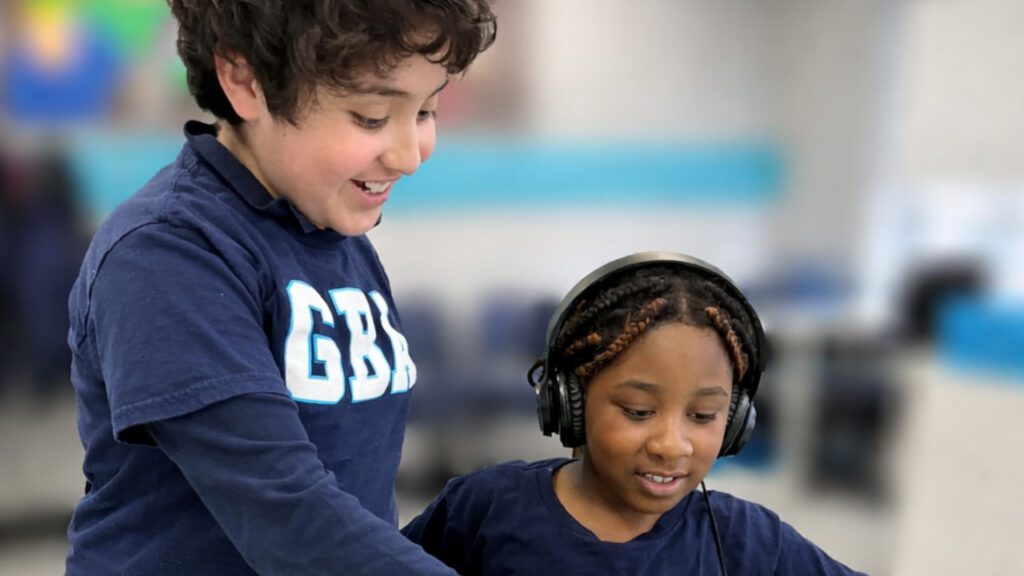
This integrated approach is evident in school environments that prioritize both academic rigour and character formation. As an IB World Candidate School that aligns with Ontario Curriculum expectations, Glen Briar Academy intentionally integrates conceptual inquiry, Learner Profile development, and transferable skill-building across all divisions. Small class sizes foster relational trust and individualized support. Students are encouraged and supported to ask questions, take responsible action, and reflect on their growth. Our approach ensures that learners are not only academically prepared but are compassionate, confident, and equipped to contribute meaningfully within their communities.
Educating the whole child means recognizing that knowledge without character is incomplete. By cultivating competence and character together, we prepare students not merely for assessments, but for purposeful participation in an ever-evolving world.
Resources:
Darling-Hammond, L., Flook, L., Cook-Harvey, C., Barron, B., & Osher, D. (2020). Implications for educational practice of the science of learning and development. Applied Developmental Science, 24(2), 97–140. https://doi.org/10.1080/10888691.2018.1537791
International Baccalaureate Organization. (2018). Primary years programme: From principles into practice. IBO.
Ontario Ministry of Education. (2016). Learning for all: A guide to effective assessment and instruction for all students, Kindergarten to Grade 12. Queen’s Printer for Ontario.
Ontario Ministry of Education. (2020). The Ontario curriculum, Grades 1–8: Mathematics. Queen’s Printer for Ontario.
People for Education. (2022). Annual report on Ontario’s publicly funded schools. People for Education.
Toronto District School Board. (2018). Self-regulation and student achievement: Research summary. TDSB Research & Development.
Any content, resident submissions, guest columns, advertisements, and advertorials are not necessarily endorsed by or represent the views of Best Version Media LLC (BVM) or any municipality, homeowners associations, businesses, or organizations that this publication serves. BVM is not responsible for the reliability, suitability, or timeliness of any content submitted, inclusive of materials generated or composed through artificial intelligence (AI). All content submitted is done so at the sole discretion of the submitting party.