Moorestown, New Jersey is cherished for more than its architecture – it’s a community defined by historic tree-lined streets, heritage homes, and a rhythm of porches, gardens, and human-scaled neighborhoods. When residents consider building or renovating, a central question often emerges:
How do we make sure our home feels like Moorestown – classic, but still distinctly ours?
Understanding Moorestown’s Architectural DNA
Before design decisions are made, an architect needs to help their clients consider the physical and cultural context of the town:
- Scale and proportion: façades that align with neighboring rooflines help homes sit comfortably on the street.
- Rhythm and setbacks: spacing between homes, depth of porches, and how entries meet the sidewalk all shape community character.
- Materials that matter: clapboard siding, brick foundations, divided-light windows, and traditional trim can signal authenticity.
- Landscape as architecture: mature trees, hedges, and front gardens are as defining as the homes themselves.
Translating Context Into Personal Design
While honoring local character, a home must also be deeply personal. To strike that balance, a thoughtful design process includes:
- A lifestyle audit: mapping how a family actually lives – where mornings begin, where conversations happen, where quiet is needed.
- Sunlight and sightlines: aligning rooms with light, views, and privacy so function enhances feeling.
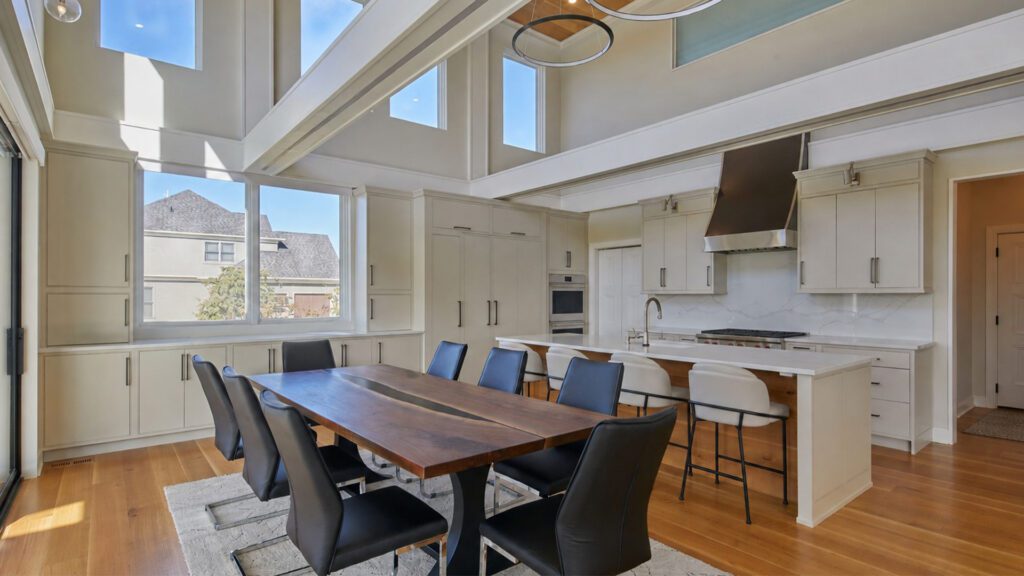
- A layered experience: classically modest street-front expression can unfold into modern, light-filled interiors customized for daily life.
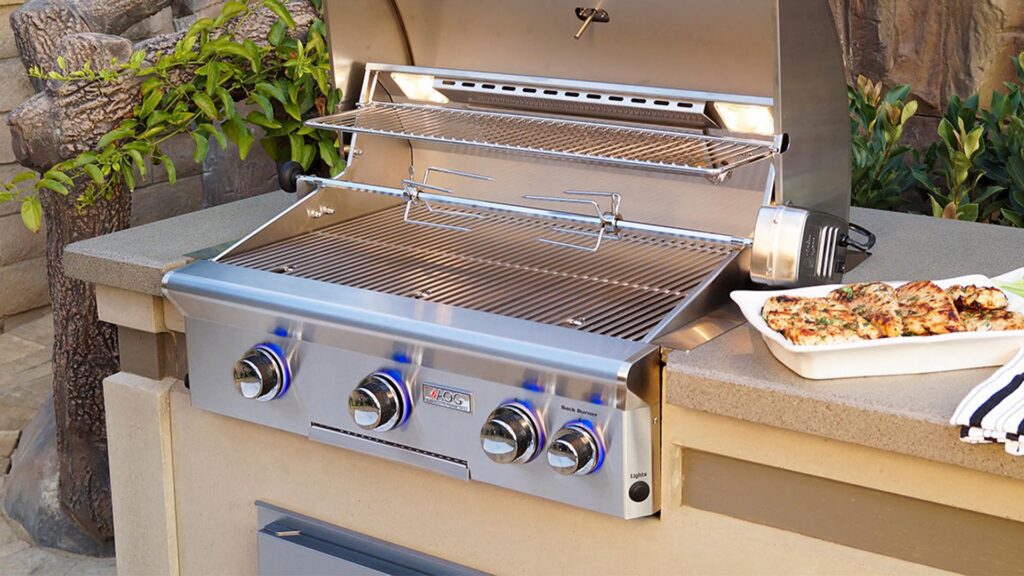
- Connection to outdoors: porches, terraces, and backyards designed as spaces to live, entertain, and decompress.
Why This Matters
Great homes in Moorestown that are more than just houses are not replicas – they are contributors with their own unique character. They respect the town’s heritage while embracing contemporary family needs; they strengthen and refresh neighborhood identity rather than overpowering it; they increase long-term property value by prioritizing livability, while still considering proportion, quality and authenticity; and they tell a homeowner’s story, not just visually, but through how the home lives day to day.
Final Thought
In Moorestown, good architecture should be context-aware and people-centered. It listens to the street and listens to the family. When those voices harmonize, the result is a home that feels familiar to the community, and unforgettable to the people who call it home.
Any content, resident submissions, guest columns, advertisements, and advertorials are not necessarily endorsed by or represent the views of Best Version Media LLC (BVM) or any municipality, homeowners associations, businesses, or organizations that this publication serves. BVM is not responsible for the reliability, suitability, or timeliness of any content submitted, inclusive of materials generated or composed through artificial intelligence (AI). All content submitted is done so at the sole discretion of the submitting party.