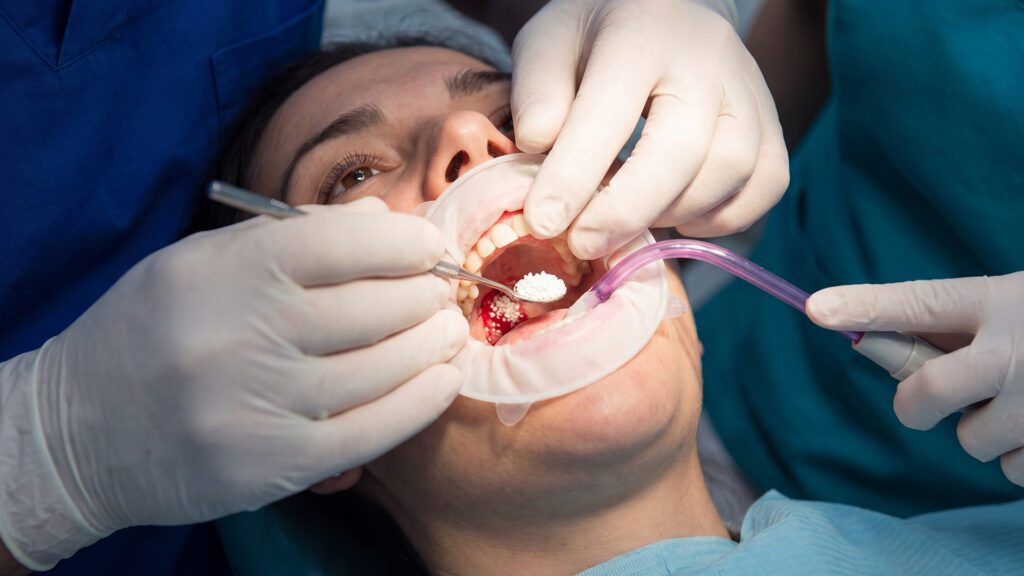
Gum disease affects heart health: What you need to know
Many people know that brushing and flossing help keep teeth strong, but fewer realize that gum health is closely connected to heart health. According to research supported by the National Institutes of Health (NIH), people with periodontal (gum) disease may have a higher risk of developing cardiovascular problems, such as heart disease and stroke. Understanding this connection is especially important as we age.
What is periodontal disease?
Periodontal disease is a chronic infection of the gums caused by bacteria in plaque. It often begins as gingivitis, which can cause red, swollen gums that bleed easily. If left untreated, it can progress into periodontitis, a more serious condition that damages the bone supporting the teeth and may eventually lead to tooth loss. Many older adults have some form of gum disease, often without pain, which makes regular dental visits very important.
How are gum disease and heart disease connected?
NIH research suggests that the bacteria responsible for gum disease do not stay only in the mouth. These bacteria can enter the bloodstream through inflamed gums. Once in the bloodstream, they may contribute to inflammation throughout the body, including the blood vessels. Chronic inflammation is a known risk factor for cardiovascular disease. Studies have shown that people with periodontal disease are more likely to have blocked arteries, heart attacks, and strokes. While gum disease does not directly cause heart disease, it may increase the risk or worsen existing heart conditions, especially in individuals who already have risk factors such as high blood pressure, diabetes, or a history of smoking.
Why this matters more as we get older
As we age, our immune system may not fight infections as effectively, allowing gum disease to progress more easily. At the same time, cardiovascular disease becomes more common with age. This means that maintaining good oral health may play a helpful role in supporting overall health and reducing inflammation in the body.
What can you do to protect your gums and heart?
The NIH emphasizes the importance of good oral hygiene as part of a healthy lifestyle. Simple daily habits can make a big difference:
- Brush your teeth twice a day with fluoride toothpaste
- Floss daily to remove plaque between teeth
- Visit your dentist regularly for cleanings and exams
- Manage health conditions like diabetes
- Avoid tobacco products
If you notice symptoms such as bleeding gums, bad breath that doesn’t go away, loose teeth, or gum tenderness, it’s important to schedule a dental visit promptly.
A healthy mouth supports a healthy body
Taking care of your gums is not just about keeping your smile, it’s about supporting your overall health. Research continues to show that oral health and heart health are connected. By keeping up with regular dental care and good daily habits, you can help protect both your mouth and your heart.
If you have questions about gum disease or how it may relate to your overall health, our dental team is always happy to help.
Any content, resident submissions, guest columns, advertisements, and advertorials are not necessarily endorsed by or represent the views of Best Version Media LLC (BVM) or any municipality, homeowners associations, businesses, or organizations that this publication serves. BVM is not responsible for the reliability, suitability, or timeliness of any content submitted, inclusive of materials generated or composed through artificial intelligence (AI). All content submitted is done so at the sole discretion of the submitting party.