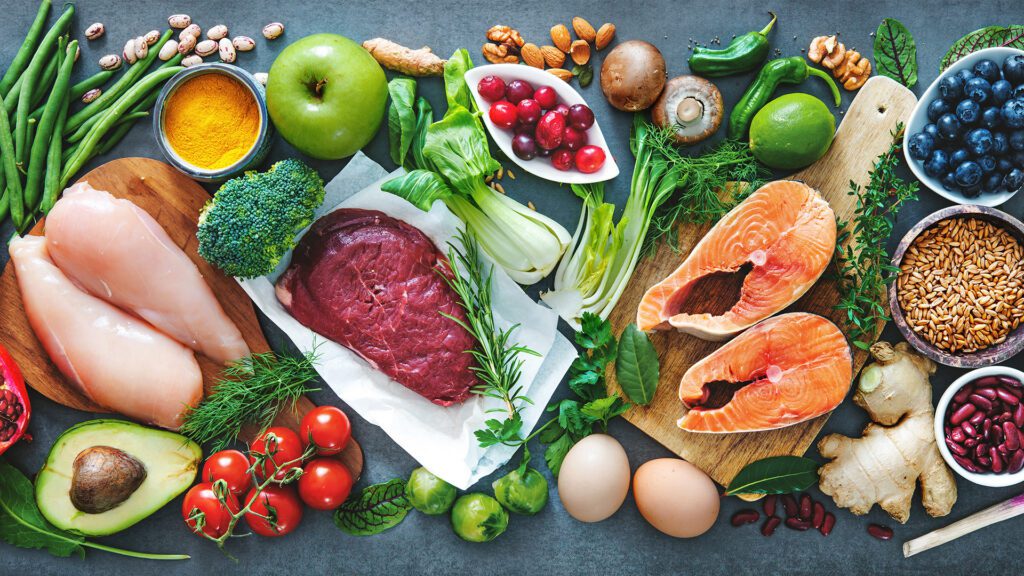
There is a common saying that “we are what we eat”. Following advice of Dr. Maria Chen, PhD in Nutrition, West 5 Optometry created this guide on what to eat to keep your eyes healthy and prevent age-related vision problems. Your eyes are constantly at work and can be damaged by light and normal body processes, making protective nutrients key to maintaining vision.
Vitamins and Minerals for Clear Vision
Vitamin A & Beta-Carotene: Essential for night vision and color perception. A 2021 study showed consuming these foods reduced night vision issues by 25%.
- Sources: Liver, eggs, butter, sweet potatoes, carrots and spinach.
Lutein and Zeaxanthin: These nutrients act as natural built-in sunglasses, blocking harmful light and protecting the macula (the center of clear vision). The AREDS2 Study indicated they cut the risk of advanced age-related macular degeneration (AMD) progression by 10-25% in at-risk individuals.
- Sources: Kale, spinach, eggs, corn and orange peppers.
Vitamin C: Helps maintain healthy eye blood vessels and may lower the chance of cataracts. A 2020 review linked higher intake of Vit C to 33% less cataract risk.
- Sources: Oranges, strawberries, bell peppers, broccoli and kiwi.
Vitamin E: Guards eye cells from damage. The first AREDS study showed that, along with other nutrients, Vitamin E reduced advanced dry AMD risk by 25%.
- Sources: Almonds, seeds, vegetable oils and avocados.
Zinc & Copper: Zinc helps move Vitamin A from the liver and creates protective pigment (melanin). Copper works with Zinc to maintain healthy eye connective tissues.
- Sources: Oysters, beef, pumpkin seeds, yogurt, shellfish, nuts, and chocolate.
High oxygen consumption and everyday light exposure can stress eyes causing unstable free radical particles, contributing to issues like AMD and cataracts.
Good protective anti-oxidants include:
Flavonoids: Boost blood flow to the eyes. A 2023 study tied these compounds to reduced cataracts.
- Sources: Tea, citrus, berries, red wine, and dark chocolate.
Anthocyanins: Improve night sight and relieve eye strain.
- Sources: Blueberries, blackberries, bilberries, and eggplant.
Resveratrol: May shield eye cells and prevent harmful blood vessel growth associated with wet AMD.
- Sources: Red wine, grapes, peanuts, and dark chocolate.
Healthy Fats for Eyes
Omega-3 fats (DHA and EPA) are crucial healthy fats in our diet. DHA is a major component of your eye’s light-sensing area, and EPA fights inflammation linked to dry eyes and AMD. A 2022 study linked more EPA to fewer dry eye symptoms when using screens. It is recommended to increase Omega-3s and decrease Omega-6s (from processed foods) to reduce inflammation (Target 4:1 ratio).
- Sources (DHA & EPA): Salmon, mackerel, sardines, walnuts, algae oil, and flaxseeds.
Conclusion: Prioritize Whole Foods
While there are many nutritional supplements on the market, science points to the superior benefits of eating well-balanced whole food diets (like Mediterranean, DASH, Vegan, and Low Sugar diets). Whole foods offer better complex, bioavailable nutrients and additional compounds that work together for healthier eyes and vision.
So along with your New Years resolution of a healthier lifestyle, getting more sleep and improving your hydration, remember to wear a good pair of UV protective sunglasses and enjoy a colorful plate of eye healthy foods in 2026!
Any content, resident submissions, guest columns, advertisements, and advertorials are not necessarily endorsed by or represent the views of Best Version Media LLC (BVM) or any municipality, homeowners associations, businesses, or organizations that this publication serves. BVM is not responsible for the reliability, suitability, or timeliness of any content submitted, inclusive of materials generated or composed through artificial intelligence (AI). All content submitted is done so at the sole discretion of the submitting party.