As a dance educator and studio owner who has worked with thousands of children over nearly three decades, I’ve had the privilege of watching young people grow not only as dancers but also as confident and capable individuals. One of the most common misconceptions I hear is that dance is merely an extracurricular activity, something enjoyable to try if a child shows an interest. In reality, dance offers developmental benefits that make it valuable for every child, regardless of future career paths or natural talent.
Dance is unique because it blends physical activity with creativity and emotional expression. Children build strength, coordination, balance, and flexibility while also learning rhythm, musicality, and spatial awareness. Unlike many traditional sports, dance trains both sides of the brain at once, combining athletic movement with artistic interpretation. This dual engagement supports cognitive development, memory, and focus in ways that few activities can match.
Beyond the physical and mental benefits, dance plays a powerful role in emotional growth. It gives children a healthy outlet to express feelings they may not yet have words for. Through movement, they learn confidence, resilience, and the ability to keep trying after mistakes. These are life skills that extend far beyond the studio and into school, friendships, and future careers.
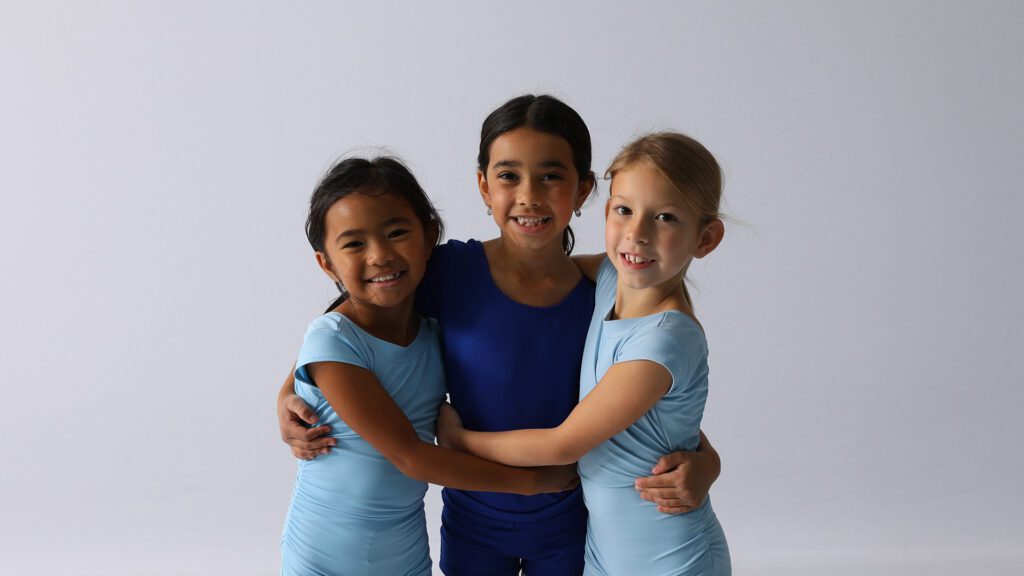
Dance also fosters important social development. In class, children learn teamwork, respect, and communication. They celebrate each other’s successes, navigate challenges together, and build friendships rooted in shared experiences. For many children, the dance environment becomes a place where they feel safe, supported, and seen.
Perhaps most importantly, dance teaches discipline without removing joy. Children learn to listen, follow directions, and work toward goals—yet they do it through music, imagination, and movement. It feels less like “practice” and more like play, which keeps them engaged and motivated.
When we look at child development as a whole, physical health, emotional well-being, social skills, and cognitive growth, dance stands out as one of the few activities that supports all of these areas simultaneously. It is not just about learning steps or performing on a stage. It is about helping children discover what their bodies can do, how their minds can grow, and who they are becoming. In that sense, dance isn’t simply an option for kids; it’s an essential tool for raising strong, confident, well-rounded humans.
Any content, resident submissions, guest columns, advertisements, and advertorials are not necessarily endorsed by or represent the views of Best Version Media LLC (BVM) or any municipality, homeowners associations, businesses, or organizations that this publication serves. BVM is not responsible for the reliability, suitability, or timeliness of any content submitted, inclusive of materials generated or composed through artificial intelligence (AI). All content submitted is done so at the sole discretion of the submitting party.