If it feels like more children need glasses than ever before, you’re not imagining it. Childhood myopia (nearsightedness) has climbed worldwide so quickly that many experts describe it as a growing public-health concern. One widely cited global analysis projected that by 2050, roughly half of the world’s population may be myopic, with about 10% affected by high myopia. Separate research focused on children and teens projects that myopia could affect hundreds of millions of young people by mid-century.
Myopia is more than “needing glasses.” It typically happens when a child’s eye grows too long from front to back. That extra length changes how light focuses, making far-away objects look blurry. The reason eye doctors care about progression is that higher myopia is linked to a higher lifetime risk of serious eye disease, including retinal detachment, glaucoma, cataract, and myopic macular degeneration.
Why is myopia increasing?
Genetics still matter, but environment plays a major role. Two factors show up repeatedly in research:
- Less time outdoors. Children who spend more time outside have a lower risk of developing myopia, and outdoor time may help slow progression for some kids.
- More close-up time. Long stretches of reading and screen time at close distances, especially without breaks, stimulates eyeball growth.
Importantly, the outdoor benefit isn’t simply “looking far away.” Researchers believe natural daylight exposure supports healthy eye-growth regulation, while indoor habits can encourage patterns that contribute to elongation over time.
What can parents do?
First: don’t wait until your child is struggling. Many kids compensate without realizing they’re seeing poorly. Regular eye exams help catch changes early, especially if there’s a family history of nearsightedness.
Second: ask about myopia management, not just a stronger prescription. Today’s approach is often a layered plan that can include:
- Lifestyle basics: more outdoor time, good lighting, and consistent “visual breaks” during near work.
- Low-dose atropine drops: used nightly for a period of years to help slow progression.
- Specialty soft contact lenses (multifocal/dual-focus): designed to slow eye growth while correcting vision.
- Orthokeratology (Ortho-K): rigid lenses worn overnight to provide clear daytime vision and potentially slow progression in some children.
- Specialty eyeglass lenses: In late 2025, the FDA authorized the first eyeglass lenses indicated to slow progression of pediatric myopia (Essilor Stellest), broadening options for families who prefer glasses for children 6-16 years old.
- MiSight® 1 day contact lenses: FDA-approved soft daily disposable lenses indicated to slow progression in children ages 8–12 at initiation.
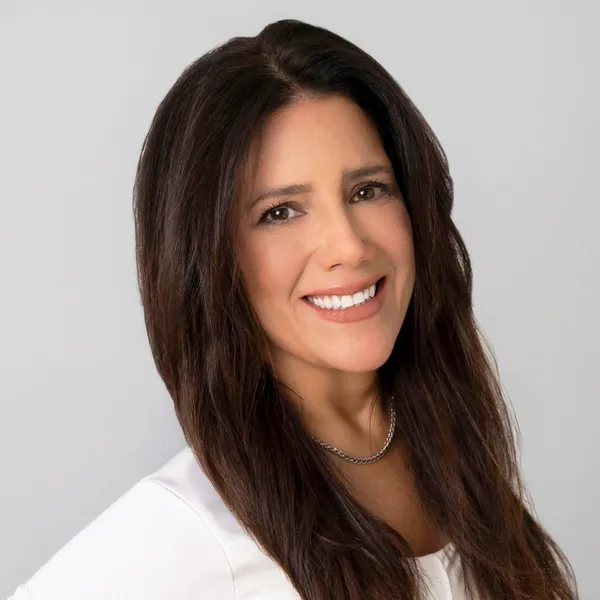
Developmental pediatric optometrist Dr. Kristen Vincent, OD, FAAO, who is certified to provide specialty services including MiSight and myopia management, explains that early care can make a significant difference.
“When myopia is identified early, we have an important opportunity to slow its progression while the eye is still developing. Early intervention allows us to use evidence-based tools, such as specialty lenses, drops, or contact lens options, to help reduce the long-term risks associated with higher levels of nearsightedness.”
Myopia may be increasingly common, but it is no longer something families accept or “watch worsen” over time. With early detection and a thoughtful, individualized approach, parents today have more ways than ever to help protect their child’s long-term eye health. Dr. Vincent explains “I am dedicated to supporting your child’s vision and want parents to realize there is a new standard of care for children with myopia.”
The bottom line: myopia is increasingly familiar, but it’s also increasingly manageable. If your child is becoming nearsighted, or if there’s a strong family history of nearsightedness, the best next step is a conversation about which tools fit your child’s age, prescription, and day-to-day life.
Any content, resident submissions, guest columns, advertisements, and advertorials are not necessarily endorsed by or represent the views of Best Version Media LLC (BVM) or any municipality, homeowners associations, businesses, or organizations that this publication serves. BVM is not responsible for the reliability, suitability, or timeliness of any content submitted, inclusive of materials generated or composed through artificial intelligence (AI). All content submitted is done so at the sole discretion of the submitting party.