As wildfire risk becomes increasingly ever-present and front of mind, the realities of living in the Wildland-Urban Interface (WUI)—soaring insurance rates, policy cancellations and planned power outages—have left many homeowners feeling overwhelmed and powerless. Fortunately, there are local resources available to help residents understand their risk and take meaningful steps to reduce it.
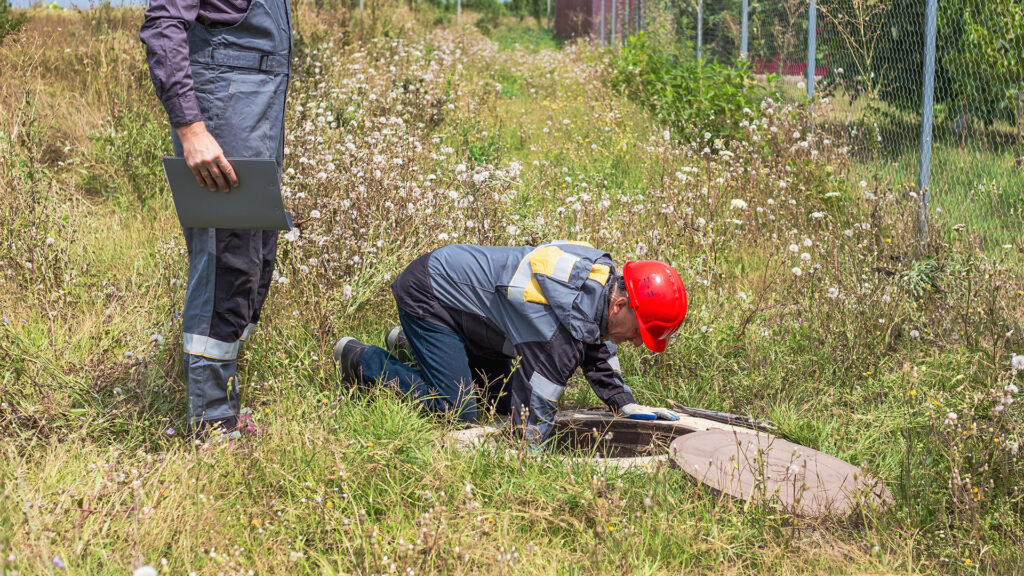
The first step is understanding your property’s wildfire risk. Many local fire departments, including Evergreen Fire Rescue, Foothills Fire & Rescue, and Genesee Fire Rescue, offer free home assessments that provide homeowners with practical recommendations to help harden their homes against fire. These assessments often begin with guidance on creating defensible space.
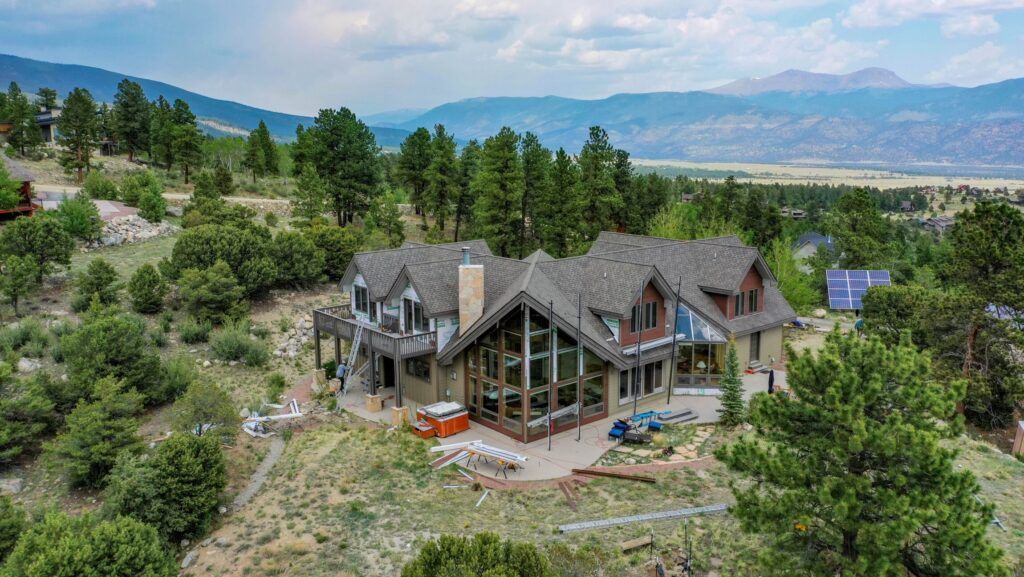
Defensible space can be thought of as a buffer or barrier designed to slow or stop the spread of wildfire before it reaches a structure. Hardening your home starts with a few simple best practices: clearing vegetation within five feet of the structure, regularly raking and disposing of pine needles, leaves and debris and limbing trees to reduce ladder fuels. While these steps provide a strong foundation, adding physical barriers can offer an even greater level of protection.
A common solution is installing a five-foot band of rock mulch around the home. While effective, this approach is not always the most visually appealing option for foothills properties. That’s where thoughtful design comes in. More than 50 defensible space projects completed in the past year have informed strategies that balance wildfire mitigation with beauty and usability.
Here are a few ideas:
- Patios and walkways: Flagstone, paver or concrete patios and walkways extend usable outdoor space while creating non-combustible barriers around the home.
- Purposeful zones: Creating small areas with distinct identities—such as a pea-gravel zen garden near a deck, bird feeders on metal poles, a water feature or birdbath in a rock bed or a bocce or cornhole court built with crushed granite or artificial turf—can serve as effective fire buffers when placed between structures and combustible materials.
- Fire-resistant decks: Build decks using WUI-compliant materials like composite decking and consider steel or aluminum framing when possible. Enclose low-level decks with composite skirting backed by metal hardware cloth to prevent embers from igniting debris underneath.
- Working with the landscape: Use the natural mountain topography to your advantage. Stone staircases or flagstone steps provide non-combustible buffers while improving access around the home. Dry stream beds can channel runoff away from foundations, reduce erosion and add visual interest.
Strategic color and plantings: Add visual interest with steel or ceramic planters and carefully selected fire-wise plants. Colorado State University offers a helpful list of fire-wise plant materials. Be sure to keep all plantings at least five feet from structures and limit plants within 15 feet to small, isolated groupings.
Any content, resident submissions, guest columns, advertisements, and advertorials are not necessarily endorsed by or represent the views of Best Version Media LLC (BVM) or any municipality, homeowners associations, businesses, or organizations that this publication serves. BVM is not responsible for the reliability, suitability, or timeliness of any content submitted, inclusive of materials generated or composed through artificial intelligence (AI). All content submitted is done so at the sole discretion of the submitting party.