As a mom, I’ve spent years working alongside builders in the Okanagan who prioritize creating homes that are not only energy-efficient and environmentally responsible, but also truly safe and nurturing for families. Over time, I’ve seen what makes a house feel comfortable, healthy, and resilient, and what doesn’t. In 2026, sustainable home building is no longer a niche concept; it’s about designing spaces that protect our families, lower long-term costs, and honor the natural beauty of the Okanagan we love. For families considering a new build or renovation, paying attention to these design approaches can make a real difference in both comfort and well-being.
Net-Zero Homes Become the New Standard
Net-zero homes – homes designed to produce as much energy as they consume, are becoming increasingly common, and for good reason. Thoughtful placement on the lot that considers sun, shade, and wind, combined with high-performance insulation and airtight building envelopes, helps maintain steady indoor temperatures year-round. For families, this means fewer cold drafts in winter, cooler rooms in summer, and lower, more predictable energy bills. With rising energy costs, net-zero design offers long-term savings, energy independence, and a way to future-proof a home against tightening energy codes and environmental expectations.
Low-Carbon and Bio-Based Building Materials
The materials a home is made from matter just as much as how it operates. Families are paying more attention to embodied carbon, the emissions generated during material production and construction, because these early decisions affect both our children’s health and the planet they’ll grow up on. Low-carbon and bio-based materials like mass timber, low-carbon concrete, and non-toxic finishes are becoming more common, and one material gaining interest is hempcrete. Made from the woody core of the hemp plant mixed with lime, hempcrete is used as insulating infill around structural framing. It naturally regulates temperature and moisture, resists mold, and is fire-resistant – qualities that make a home safer and healthier for children, while also storing carbon over time to reduce environmental impact.
Smarter, More Efficient Homes
Homes today are also becoming smarter in ways that make life easier for families. Renewable energy systems paired with smart technology allow homeowners to monitor and optimize energy use in real time. Water-wise strategies such as low-flow fixtures, drought-tolerant landscaping, rainwater harvesting, and greywater reuse systems help families reduce waste while maintaining independence from municipal infrastructure. Smart water-monitoring systems are particularly valuable; they can detect small leaks early, alerting homeowners before damage occurs and often preventing costly repairs, while also reducing stress for families who have enough to worry about already.
Designing for Wellness-Focused Living
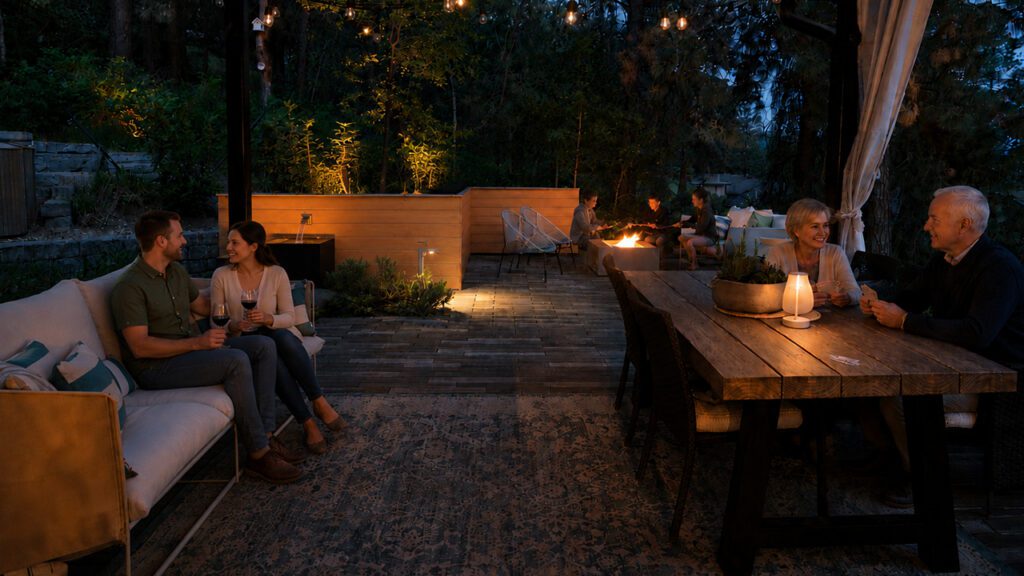
Sustainability now goes beyond energy efficiency and carbon reduction, it’s about creating homes that support emotional and physical well-being. Biophilic design, which strengthens the connection between indoor spaces and nature, brings natural light deeper into the home, provides fresh air, and offers views of outdoor landscapes. Large windows, natural materials, and thoughtful daylighting strategies help reduce stress, improve mental health, and lower reliance on artificial lighting. In a region like the Okanagan, where nature is such a central part of daily life, these designs make homes feel intuitive, livable, and restorative for families. At Ecotecture, our team has extensive experience with sustainable, healthy home materials and finishes, helping families choose options that truly support the well-being of everyone living in the home.
Building for the Future
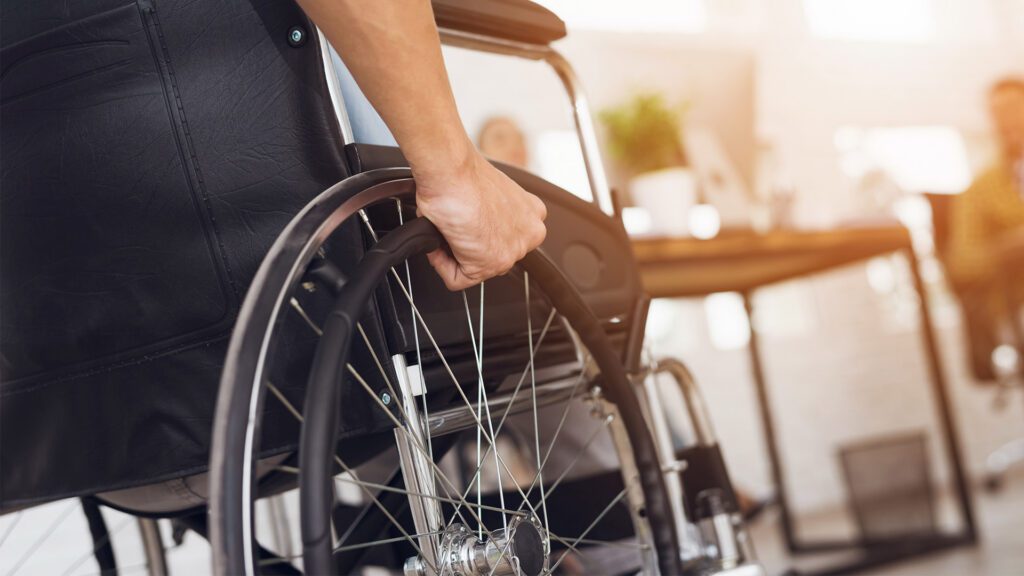
Families are also thinking ahead, designing homes that can grow with them. Flexible floor plans, multi-functional spaces, and aging-in-place strategies allow a home to support adult children, aging parents, or future caregivers while avoiding costly renovations later. Simple adjustments, like pre-planned wall backing for grab bars, or stacked closets that could later become an elevator – help homes remain safe, practical, and adaptable for decades. These thoughtful strategies not only save money and materials but also give families peace of mind about the future.
Why This Matters for Okanagan Families
For Okanagan families, these sustainable building trends are more than just eco-friendly choices. They’re opportunities to invest in healthier living, protect the people who live inside our homes, and preserve the landscapes we love for generations to come. After all, building better isn’t just about energy or materials, it’s about creating homes where families can thrive.
Any content, resident submissions, guest columns, advertisements, and advertorials are not necessarily endorsed by or represent the views of Best Version Media LLC (BVM) or any municipality, homeowners associations, businesses, or organizations that this publication serves. BVM is not responsible for the reliability, suitability, or timeliness of any content submitted, inclusive of materials generated or composed through artificial intelligence (AI). All content submitted is done so at the sole discretion of the submitting party.