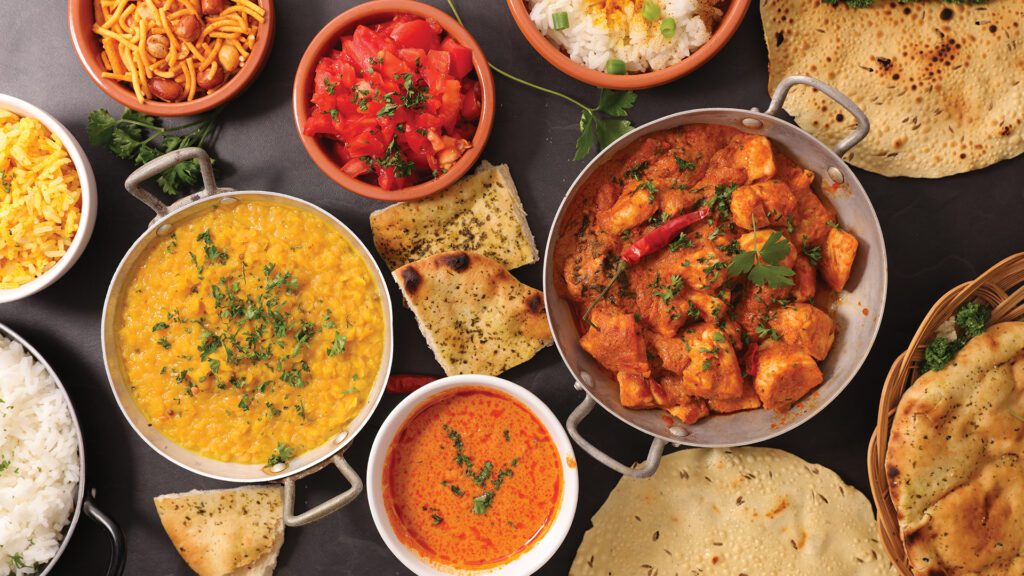
Indian cooking and oil are basically inseparable — but how we use oil matters more than how much. This is one mantra that we follow in the food we serve at Mystic Spice.
Here’s a simple, Indian-kitchen–friendly way to think about it:
Oil in Indian cooking: the Real Deal
1. High heat is the norm – Indian cooking uses – Tadka, Bhuna, Deep frying and Pressure cooking. So, oils need to be heat-stable. Oils that break down easily (many refined oils do) create harmful compounds when overheated.
2. Traditional oils really make sense. Our regional oils evolved with our food styles:
- Mustard oil (North & East India) – Perfect for sabzi, dal, fish — handles heat well, aids digestion.
- Groundnut oil (West & South India) – Neutral taste, great for frying and daily cooking.
- Ghee (Pan-India) – Ideal for tadka, slow cooking, and kids/elderly — very stable at high heat.
These weren’t random choices — they match climate, spices, and cooking methods.
3. One oil is not enough. Indian food needs rotation, not obsession with one “healthy” oil. Some of the best combo for most homes, that balances fats and reduces inflammation risks:
- Mustard or groundnut oil → daily cooking
- Ghee → tadka, flavor, occasional use
- Sesame or coconut oil → occasionally (regional dishes)
4. What to limit or avoid. The following are okay occasionally, not daily staples:
- Reused frying oil
- Highly refined “vegetable oil” blends
- Making soyabean oil your only oil
5. Quantity matters more than fear. Indian food doesn’t need to be oil-free — it needs to be oil-smart. As a rule of thumb:
- 3–4 teaspoons oil per person per day (including ghee)
- Visible oil floating = too much
- Food should feel light, not greasy.
Bottom line:
Indian cooking + traditional oils + moderation = healthy
Refined oils + excess heat + reuse = trouble
Any content, resident submissions, guest columns, advertisements, and advertorials are not necessarily endorsed by or represent the views of Best Version Media LLC (BVM) or any municipality, homeowners associations, businesses, or organizations that this publication serves. BVM is not responsible for the reliability, suitability, or timeliness of any content submitted, inclusive of materials generated or composed through artificial intelligence (AI). All content submitted is done so at the sole discretion of the submitting party.